
What an Operating System Actually Does on a Mobile Device
An operating system (OS) is the foundational software that manages everything your phone or tablet does — from displaying the home screen to letting apps talk to your camera, microphone, and network connection. Think of it as the referee between your hardware and the software you run on top of it.
On mobile devices, the OS also controls how apps are distributed, how permissions are enforced, and how frequently your device receives security patches. Understanding what your OS handles helps explain why two phones with similar hardware specs can feel and behave very differently. For a deeper look at how underlying hardware interacts with software, see what your device's processor really does.
Today, virtually all consumer phones and tablets run one of two platforms: Android (developed by Google and used across many device makers) or iOS/iPadOS (developed by Apple, exclusive to Apple hardware). A small share of devices run other platforms, but for everyday consumers, the choice is almost always between these two.
App Ecosystems and What You Can Actually Install
Both platforms offer enormous app libraries — most major apps exist on both. However, the rules governing how apps reach your device differ significantly.
iOS and iPadOS require apps to be distributed through the App Store, where Apple reviews each submission. This creates a more controlled environment but also means Apple can remove or reject apps. In recent years, regulatory changes in some regions have begun requiring Apple to allow alternative distribution methods, though in the U.S. the App Store remains the primary channel.
Android, by default, also uses an official store (Google Play), but it has long allowed sideloading — installing apps from outside the official store. This gives more flexibility but also introduces more risk if you install apps from unverified sources.
App pricing models vary on both platforms regardless of OS. For a plain-language breakdown of what free, paid, and subscription apps actually involve, see how each app pricing model works.
| Android | iOS / iPadOS | |
|---|---|---|
| Hardware availability | Many manufacturers, wide price range | Apple devices only |
| App installation sources | Google Play + sideloading allowed | App Store (primary); limited alternatives in some regions |
| Customization depth | High — defaults, layout, file access | Moderate — improving but more structured |
| Software update longevity | Varies by manufacturer (2–5+ years) | Typically 5–6 years from Apple |
| Privacy controls | Improving; varies by device/manufacturer | Strong platform-level controls built in |
| Ecosystem integration | Best with Google services / Chromebook | Tight integration across Apple devices |
Privacy, Data Collection, and Security Updates
Privacy is one of the sharpest differences between the two platforms — and it operates on multiple levels.
Apple has made privacy a central part of its platform identity. Features like App Tracking Transparency (which requires apps to ask before tracking you across other apps and websites) and on-device processing for sensitive tasks like facial recognition reflect a design philosophy that limits third-party data sharing. That said, Apple does collect data for its own services.
Android's privacy controls have improved substantially in recent versions, but because Android runs on hardware from many different manufacturers, the actual privacy experience varies by device and manufacturer. Some manufacturers layer additional software on top of Android that may collect its own data.
Security updates matter enormously. Apple typically supports iPhones and iPads with software updates for five to six years after release. Android update commitments vary by manufacturer — some flagship devices now receive four to five years of updates, while budget models may receive far fewer. A device that no longer receives security patches is more vulnerable to known exploits.
Understanding what apps can access on your device is closely related to OS-level privacy. Our guide on what app permissions actually mean explains each permission type in plain terms.
Customization, Ecosystem Lock-In, and Switching Costs
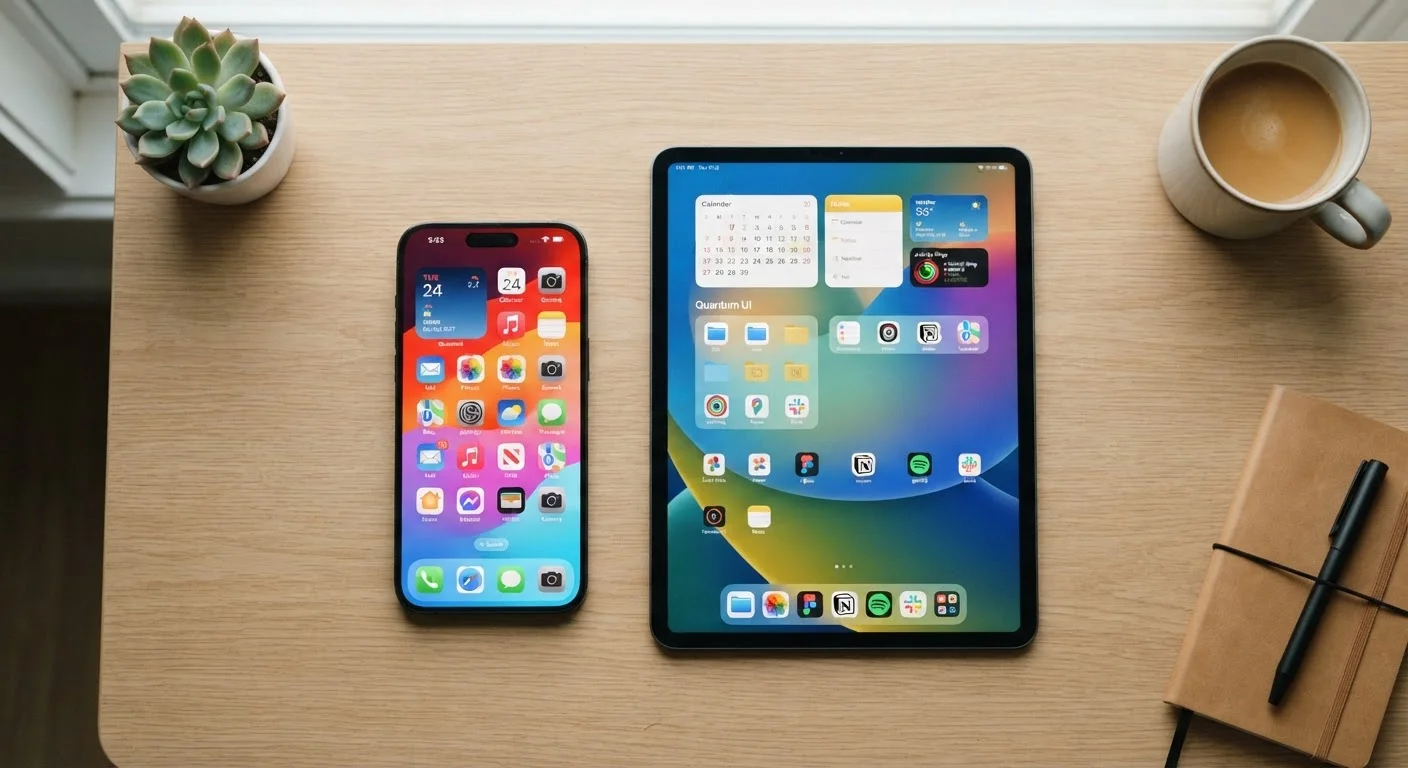
Android generally allows more surface-level customization: you can change default apps (browser, email, keyboard), place widgets anywhere on the home screen, and access files directly through a file manager — much like a desktop computer. iOS has opened up more in recent years, but it remains more structured in how the interface is organized.
Both platforms create ecosystem effects that make switching costly over time. If you've purchased apps, games, or media on one platform, those purchases typically don't transfer. Contacts, photos, and documents can usually be migrated, but the process takes effort.
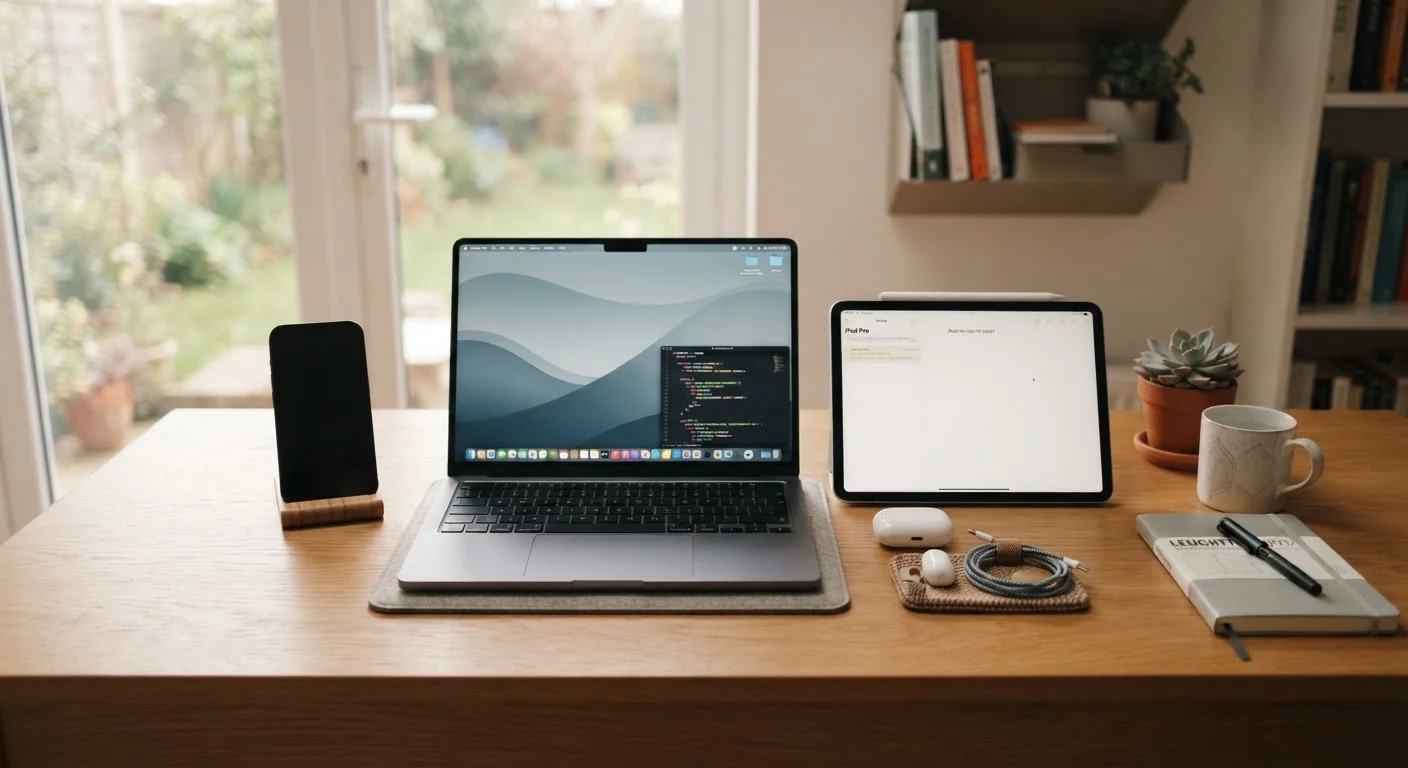
Apple's ecosystem — where iPhone, iPad, Mac, and Apple Watch share features like Handoff, AirDrop, and iMessage — is particularly cohesive. If you use multiple Apple devices, the integration is seamless. Android has similar cross-device features, especially if you use Google services and a Chromebook, but the experience is less uniform because so many manufacturers are involved.
Many users underestimate how much their OS shapes day-to-day behavior through default settings. See how overlooked settings change how your device actually behaves for practical adjustments available on either platform. And once you understand your OS, exploring hidden settings most people never touch can unlock features you didn't know you had.