

Why Devices Fail Before Their Time
Most gadgets are engineered to last several years under reasonable conditions. In practice, many fail or degrade much sooner — not because of a manufacturing defect, but because of accumulated small missteps in how they're stored, charged, and maintained. Understanding why devices fail early is the first step toward preventing it.
The three most common causes of premature device failure are heat exposure, battery misuse, and physical neglect. These aren't catastrophic events — they're slow, quiet processes that compound over months. A phone left on a hot car dashboard, a laptop run at full load with blocked vents, or a tablet charged overnight every night for two years: each situation chips away at the hardware in ways that aren't obvious until the damage is done.
The good news is that most of the habits that protect your devices are low-effort and cost nothing. They simply require knowing what actually matters — and what doesn't.
Proven Habits That Extend Device Life
The following practices are grounded in how consumer electronics actually work. None require technical skill — just consistency.
Keep devices out of extreme temperatures — especially direct heat sources
Lithium-ion batteries degrade significantly faster above 95°F (35°C). Prolonged heat exposure can cause permanent capacity loss in a matter of weeks. Cold below 32°F (0°C) is less permanently damaging but reduces immediate performance and can cause unexpected shutdowns.
Charge within the 20–80% range when possible, rather than from 0% to 100%
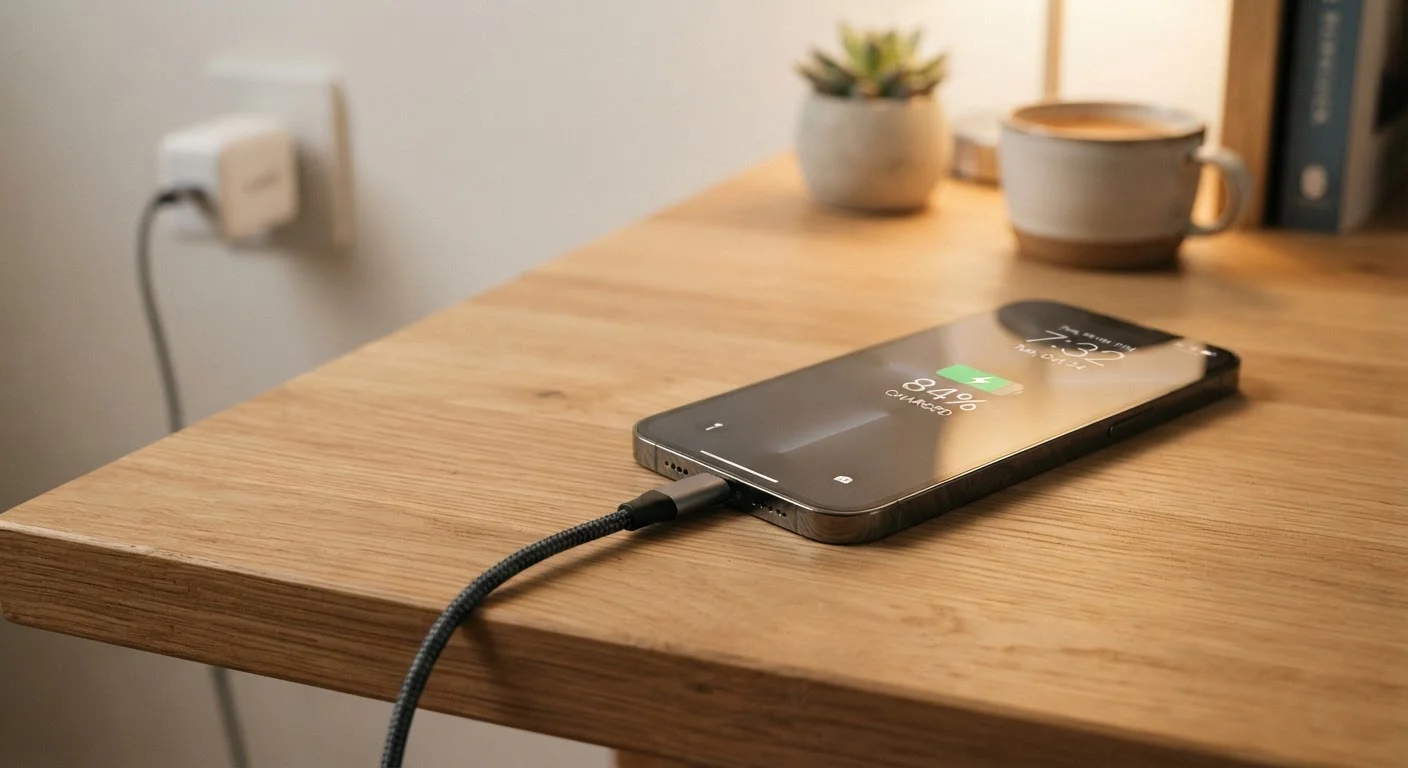
Lithium-ion cells experience more chemical stress at the extremes of their charge range. Keeping the battery within a moderate window reduces cumulative wear and preserves capacity over hundreds of charge cycles. Many modern devices now include built-in charge-limiting settings for exactly this reason.
Clean vents, ports, and screens on a regular schedule
Dust accumulation in cooling vents restricts airflow, causing processors to run hotter and throttle performance to compensate. Debris in charging ports can cause poor electrical contact, damaging both the port and the cable over time.
Install operating system and firmware updates promptly
Updates frequently include efficiency improvements that reduce how hard the processor works during routine tasks, directly reducing heat output and battery drain. Security patches also prevent malware that can cause background processes to consume resources unchecked.
Use a case and screen protector suited to your actual environment
Physical damage — cracked screens, bent frames, damaged ports — is one of the most common reasons people replace devices prematurely. A case appropriate for your daily environment (slim for desk use, rugged for outdoor or trade work) dramatically reduces impact and abrasion risk.
Avoid running devices at maximum performance for extended periods without adequate airflow
Sustained high CPU or GPU loads generate substantial heat. When a device can't dissipate that heat fast enough — especially on a soft surface that blocks bottom vents — it throttles speed to protect itself, and over time the thermal cycling degrades internal components.
Quick Steps You Can Take Today
You don't need to overhaul everything at once. These immediate actions make a measurable difference right away.
For a deeper look at how defaults and settings affect your device's day-to-day performance, see commonly ignored device settings that affect battery life and performance. And if you're noticing your battery draining faster than expected, understanding the real culprits behind short battery life is worth reading before you assume the hardware is at fault.
Software, Storage, and the Long Game
Hardware longevity doesn't exist in isolation. The software running on your device plays a direct role in how hard the underlying components have to work. Bloated, outdated apps can push a processor harder than necessary, generating excess heat and draining the battery faster. Why apps slow down over time explains the mechanics in plain terms and identifies which fixes are genuinely effective.
Storage management matters too. Devices running near their storage capacity often slow down because the operating system has less room to write temporary files efficiently. Keeping 10–15% of storage free is a simple rule that pays off in smoother performance and less thermal stress on the processor.
Finally, think about what happens to a device at end of life. If you're planning to pass on an old gadget, steps to take before resetting or selling an old device covers what a factory reset may — and may not — actually remove. And if you're weighing whether an extended warranty makes sense for a device you want to keep long-term, the hidden trade-offs of extended warranties is worth reviewing before committing.