
What an Extended Warranty Actually Is
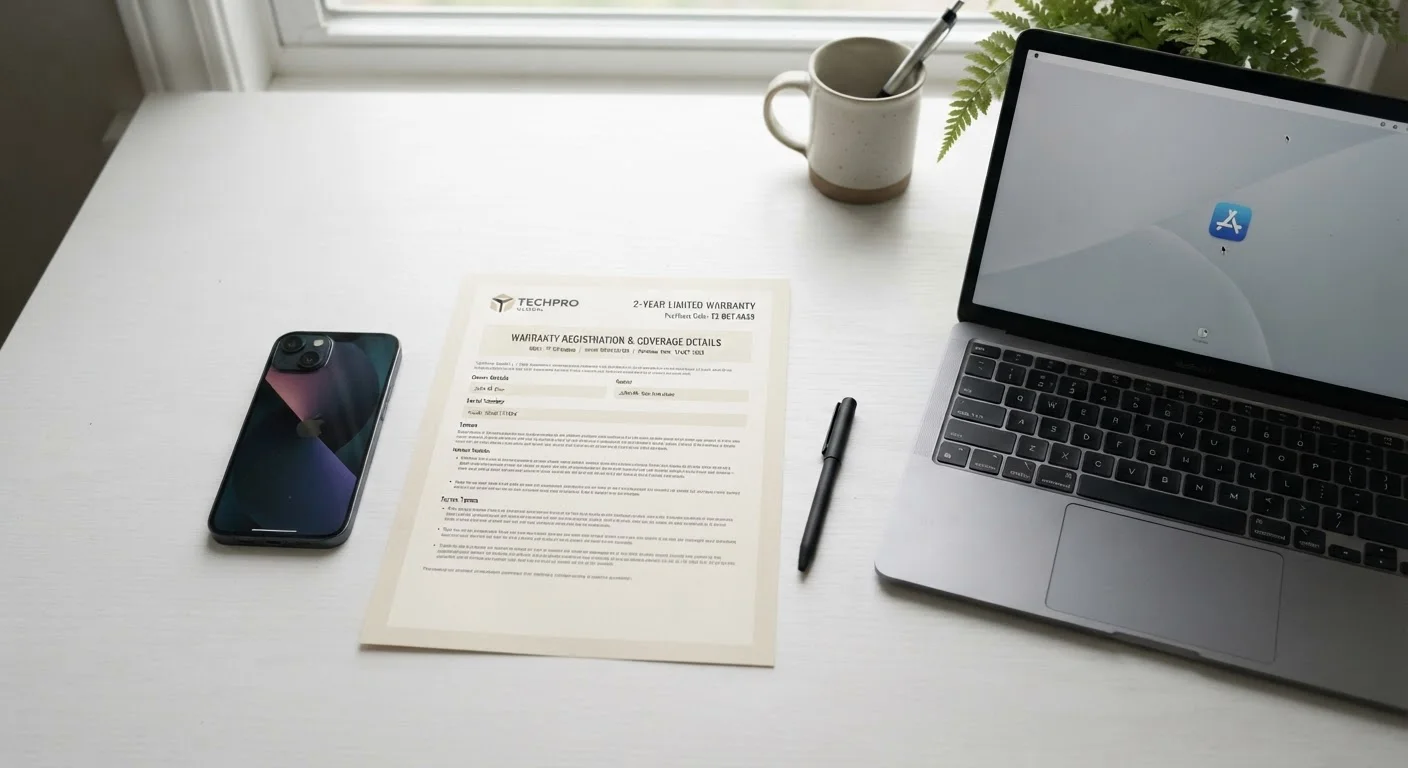
An extended warranty — sometimes marketed as a "protection plan" or "service contract" — is a paid agreement that promises to cover repair or replacement costs after a manufacturer's standard warranty expires. On consumer electronics, manufacturer warranties typically run one year and cover defects in materials or workmanship. An extended warranty stretches that coverage window, usually to two, three, or four years total.
What often gets lost in the pitch is that extended warranties are service contracts — not insurance policies. They are governed by contract law, not insurance regulation, which means the terms are set entirely by whoever is selling them. Coverage, claim processes, and exclusions vary significantly between retailers, third-party administrators, and device categories. Understanding that distinction matters before you sign anything.
For a broader look at how add-on protection products work across different purchases, see our piece on evaluating add-on products at the point of sale.
The Real Advantages Worth Considering
Extended warranties aren't without merit. For the right device and the right terms, they provide a measurable financial cushion.
Covers costly repairs after manufacturer warranty expires
Out-of-warranty screen replacements, motherboard repairs, and component failures on premium devices can run into hundreds of dollars. A valid extended warranty converts that unpredictable expense into a known upfront cost.
Provides budget predictability over the device's life
For households managing tight budgets, knowing a sudden repair won't become an unexpected expense offers practical financial stability, particularly for devices relied on daily like laptops or tablets.
Can include service perks not in the standard warranty
Some extended plans add accidental damage coverage, priority service, or loaner devices — features the original manufacturer warranty doesn't include. These additions can represent real value if verified before purchase.
Useful for devices that are expensive to self-repair
Modern electronics — especially thin laptops and smartphones — are increasingly difficult to repair at home due to proprietary components and adhesive assembly. Extended coverage fills the gap when DIY isn't a viable option.
The strongest case for an extended warranty applies to high-cost, complex devices — a large-screen television, a laptop with a soldered motherboard, or a high-end camera body — where out-of-warranty repair costs can be genuinely steep. When a repair estimate approaches half the original purchase price, having pre-paid coverage changes the calculus meaningfully.
The Limitations That Often Go Unmentioned
The disadvantages of extended warranties are frequently buried in terms and conditions rather than disclosed upfront. Here's where they tend to fall short.
Exclusions often cover the most likely failures
Accidental drops, liquid damage, and battery degradation are among the most frequent reasons consumers seek repairs — and they're commonly excluded from standard extended warranty plans. The coverage that remains may protect against failures that rarely occur.
Devices often fail outside the coverage window
Electronics tend to fail early (within the first year, covered by manufacturer warranties) or late (after extended warranties expire). The middle period an extended warranty covers often corresponds to relatively reliable device operation.
Total premium cost can be disproportionately high
Extended warranties on consumer electronics commonly run 15–30% of the device's purchase price. On a $400 device, that's $60–$120 for coverage that may never be used — money that could fund a partial replacement instead.
Claim processes can be slow and cumbersome
Many plans require shipping a device to a centralized repair center, a process that can take two to four weeks. For a primary laptop or phone, that downtime has real productivity costs that the warranty doesn't compensate.
Overlaps with protection already in place
Credit card warranty extensions, homeowners or renters insurance riders, and even some checking account perks may already cover the same device. Purchasing an additional plan without checking existing coverage is a common and avoidable redundancy.
Coverage providers can change or become insolvent
Extended warranties administered by third-party companies — not the manufacturer — carry the risk that the administrator goes out of business before the term ends, leaving claims with no one to honor them.
Your Credit Card May Already Cover This
Many Visa Signature, Mastercard, and American Express cards include a complimentary warranty extension benefit that adds up to one additional year on eligible manufacturer warranties. This benefit applies automatically on purchases made with the card and requires no separate enrollment. Check your card's benefits guide or call the number on the back before purchasing a paid extended warranty — you may already have meaningful coverage at no added cost.
Before purchasing any extended warranty, check whether your credit card already provides complimentary warranty extension — many cards automatically double the manufacturer's warranty on eligible purchases, up to an additional year. This benefit is often overlooked and can make a paid plan redundant for shorter-coverage devices.
What to Check Before You Decide
If you're weighing an extended warranty on a new device, a few practical checks can sharpen your decision significantly.
- Read the exclusions list first. Don't start with what's covered — start with what isn't. Accidental damage, liquid exposure, battery wear, and cosmetic damage are frequently excluded from basic plans.
- Check your existing coverage. Homeowners and renters insurance sometimes covers electronics theft or accidental damage. Your credit card may extend the manufacturer warranty automatically.
- Compare the premium to the repair cost. Research the average out-of-pocket repair cost for that specific device. If the warranty premium is 30–40% of replacement cost, the math is rarely favorable.
- Understand the claim process. Some plans require mailing the device to a service center and waiting weeks. Others offer in-home service. Friction matters when you're without a device you rely on daily.
Building habits that reduce device failure in the first place is often the most cost-effective strategy. Our guide on habits that keep devices running longer covers practical maintenance routines that cost nothing.
~$40B
U.S. extended warranty market annual value
The extended warranty industry generates tens of billions annually in the U.S., reflecting how widely these products are sold — and how profitable they are for sellers relative to claims paid.
~20%
Estimated share of warranties that result in a claim
Consumer advocacy research has suggested that a significant majority of extended warranty holders never file a claim, meaning most buyers pay premiums for coverage they don't use.