
The Case for Doing Some Maintenance Yourself
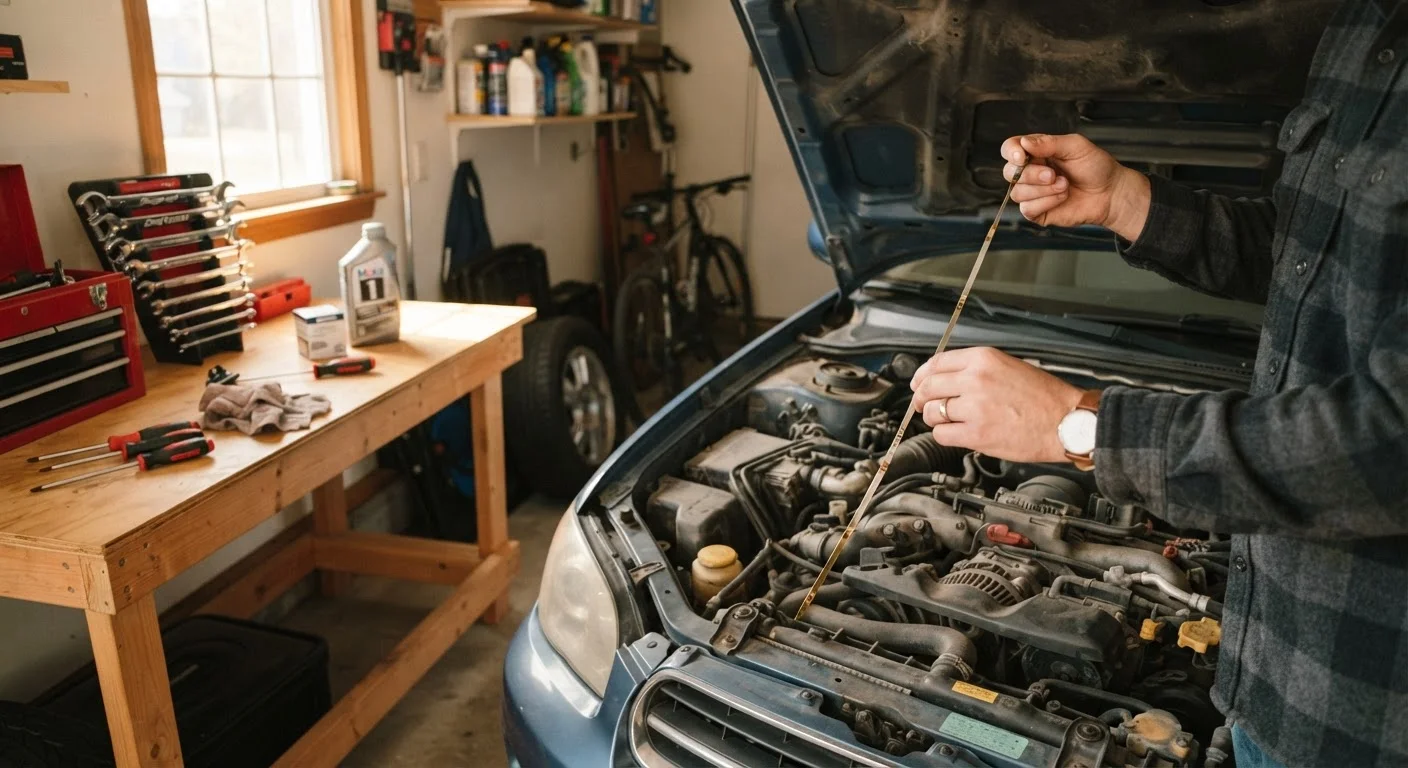
Plenty of routine car care doesn't require a lift, specialized training, or expensive equipment. For tasks in that category, doing them yourself has real advantages — not just financial ones.
Saves money on routine, low-complexity tasks
Labor costs are often the largest part of a shop bill. Replacing your own air filter, wiper blades, or cabin filter can cut what would be a $50–$100 service visit down to the cost of the part alone.
Builds familiarity with your vehicle
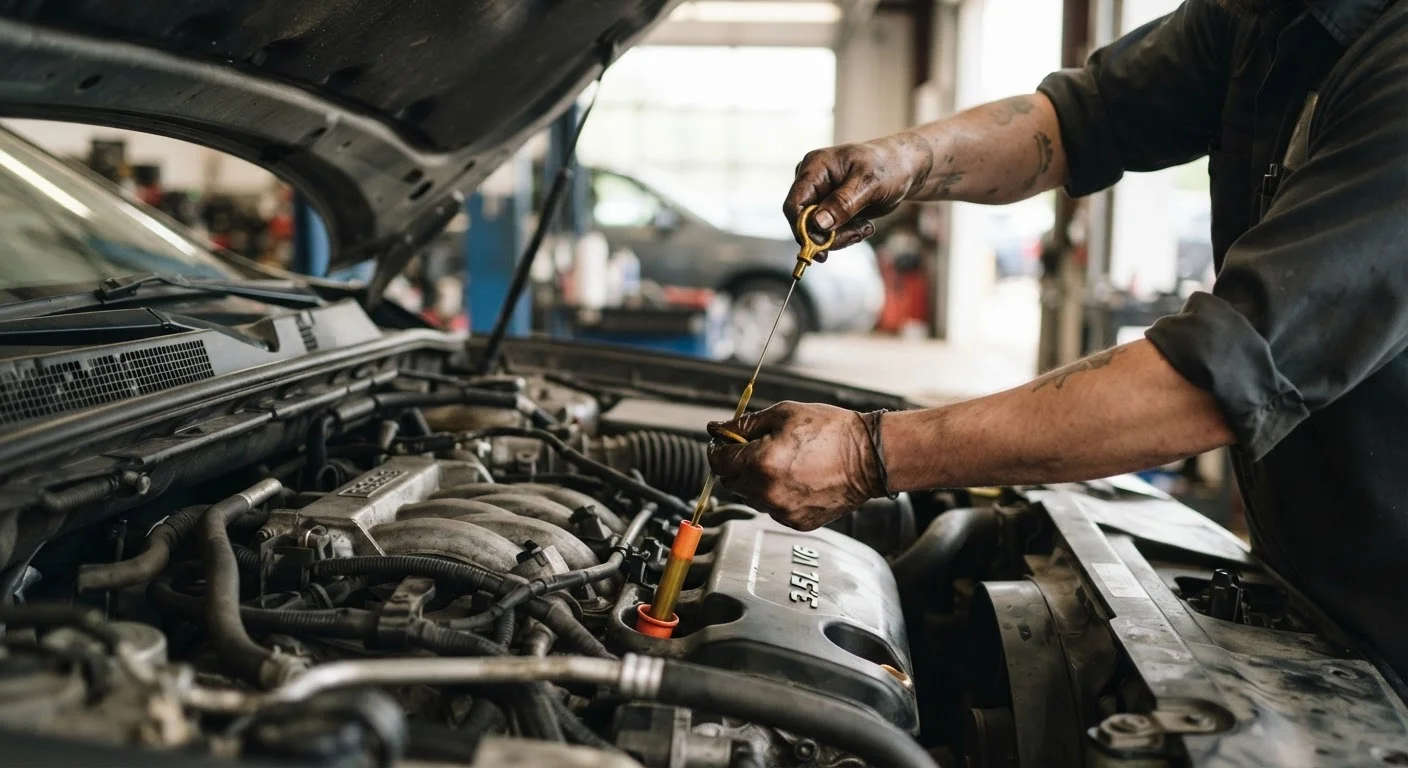
Regularly checking fluid levels and inspecting accessible components helps you notice when something looks or sounds different — which can mean catching a problem early.
Flexible scheduling with no shop wait
You can handle straightforward maintenance on your own schedule without booking appointments or waiting for parts to arrive at a dealership.
Satisfaction and increased confidence
Successfully handling basic maintenance tends to make drivers more engaged with their vehicle's overall condition, which generally leads to better upkeep habits.
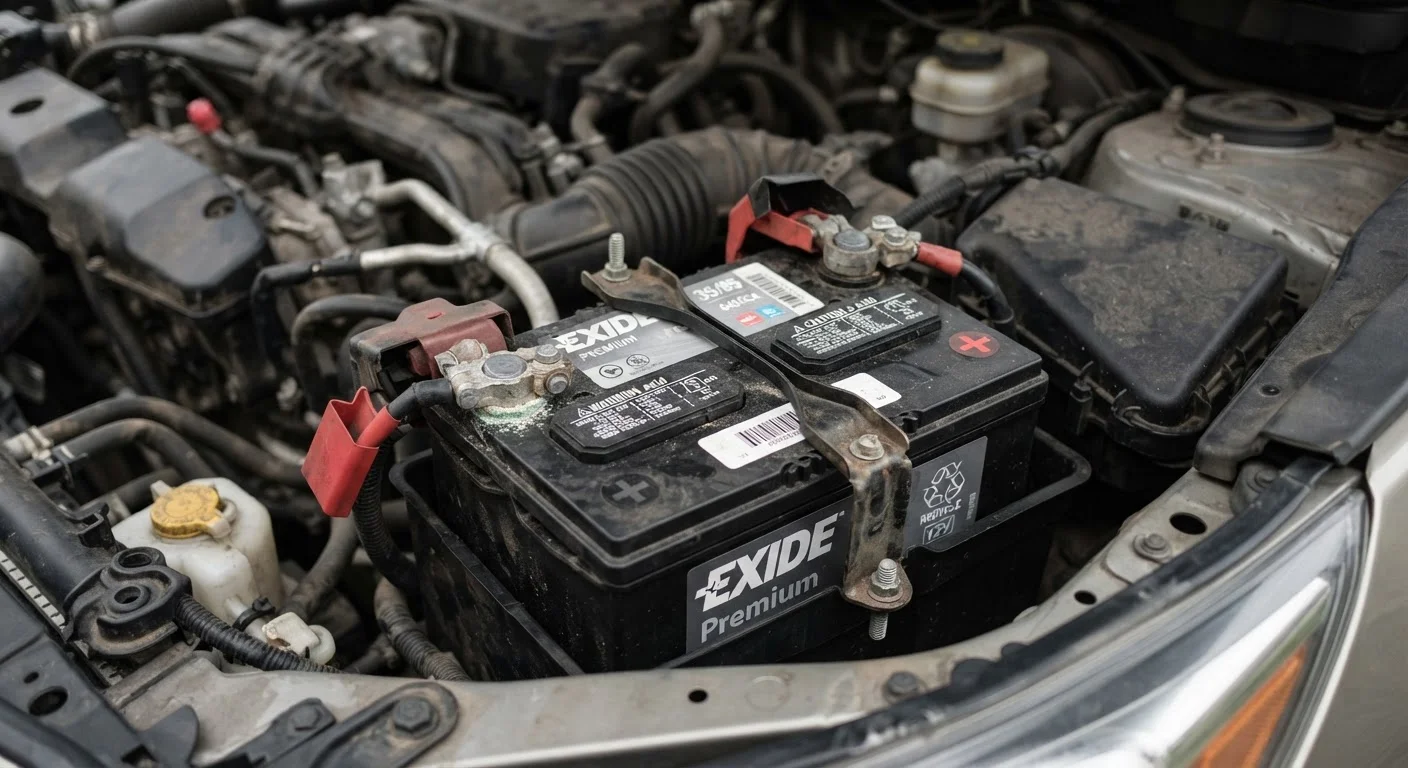
The most DIY-friendly jobs share a few traits: they're accessible without disassembling major systems, mistakes are easy to catch before they cause damage, and the consequences of getting it slightly wrong are minor. Swapping an engine air filter, replacing wiper blades, topping off fluids, changing a cabin air filter, and installing new bulbs on many vehicles all fall into this category.
Before you start anything, consult your owner's manual maintenance schedule. It tells you exactly what your car needs and when — and it's more reliable than general advice because it's written for your specific vehicle.
Where DIY Maintenance Falls Short
The same logic that makes simple jobs manageable makes complex ones genuinely risky. Some maintenance tasks look approachable until something goes wrong — and in those cases, the consequences can be serious.
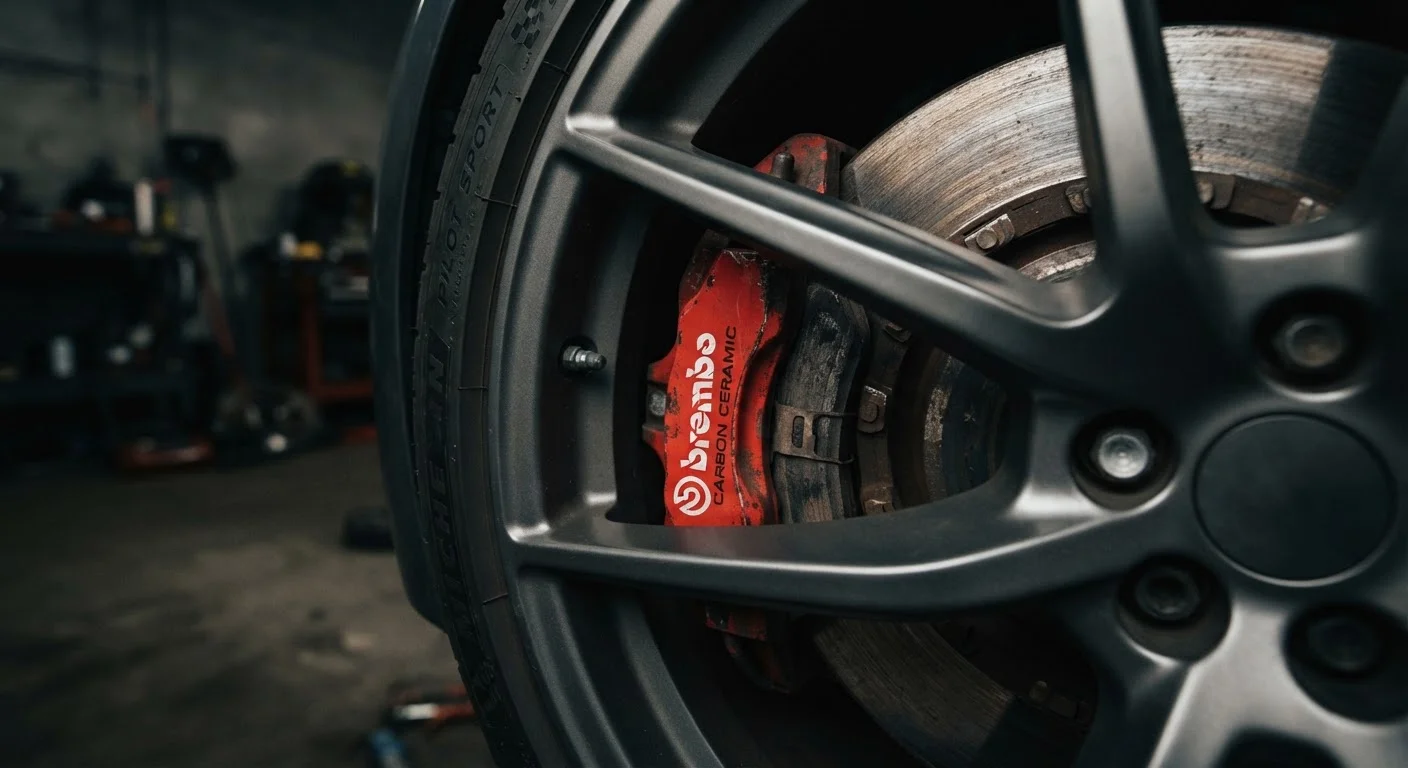
Safety risk on brake and steering work
Errors in brake or suspension repairs can directly affect vehicle control. These systems have zero tolerance for incorrect installation, and the consequences of failure are severe.
Modern vehicles require diagnostic tools
Many repairs on late-model vehicles can't be completed without a scan tool to reset warning lights or verify that electronic systems are functioning correctly after a fix.
Mistakes can cost more than a shop visit
Using the wrong fluid, over-tightening fasteners, or incorrectly reassembling a component can cause downstream damage that's significantly more expensive to repair than the original job.
DIY work may affect warranty coverage
Depending on your vehicle's warranty terms, certain repairs or fluid changes performed outside a certified shop may complicate future warranty claims — worth checking before you start.
Brake system work is the clearest example. A caliper installed incorrectly, a brake line with trapped air, or a rotor machined unevenly can all reduce stopping power in ways you won't detect until you need to stop hard. The same applies to suspension and steering components, where tolerances matter and errors translate directly into handling problems.
Modern vehicles also carry a layer of electronic complexity that earlier generations didn't. Many repairs now require a scan tool to reset systems or confirm the fix worked — equipment most home mechanics don't own. Attempting these jobs without the right tools can leave a vehicle with warning lights that won't clear, or worse, systems that aren't functioning correctly despite appearing fine.
If you ever need professional service, our overview of dealership vs. independent mechanic options walks through how to weigh your choices.
The Hidden Costs of Getting It Wrong
One of the most common reasons people attempt a repair themselves is to save money. That's a reasonable goal — but it's worth understanding what the downside looks like when a DIY job goes sideways.
~$400
Average cost of a stripped oil pan repair
A common consequence of over-tightening or cross-threading a drain plug during a home oil change, per general mechanic labor and parts estimates.
68%
Drivers who skip recommended maintenance intervals
According to AAA research, a significant share of U.S. drivers don't follow their vehicle's recommended maintenance schedule, regardless of whether they DIY or use a shop.
An incorrectly torqued oil drain plug can strip the threads on an oil pan, turning a $10 oil change into a $300–$500 repair. A coolant flush done without bleeding air from the system properly can cause overheating. Even something as simple as using the wrong type of fluid in a transmission or brake reservoir can cause component damage that's expensive to fix.
This isn't an argument against doing your own maintenance. It's an argument for being honest about which jobs you're actually equipped to handle. The complete car maintenance guide for new drivers offers a solid grounding in what each major task involves before you commit to it.
Whatever you do yourself, log it. A vehicle maintenance log protects your warranty documentation, helps a mechanic diagnose problems faster, and supports resale value down the road.
A Practical Way to Decide
Rather than a fixed list of "do this, not that," the more useful question is: what happens if I get this wrong? Run through it before starting any job.
The One Question to Ask Before Starting
Before attempting any maintenance task, ask yourself: what's the realistic worst-case outcome if I make a mistake? For low-stakes jobs, the answer is usually minor and fixable. For brake, suspension, fuel system, or airbag-adjacent work, the answer involves safety risk or expensive secondary damage. Let that answer guide your decision, not your confidence level alone.
If the answer is "I'll notice immediately and the car won't start" or "I'll need to buy another filter," the risk is low. If the answer is "the car might handle unpredictably" or "I could lose braking ability," stop and schedule a shop visit.
A few other practical checkpoints: Do you have the right tools — including a torque wrench if fasteners need to be tightened to spec? Can you safely support the vehicle if it needs to be raised? Does the job require resetting a computer system afterward? Are there any permits or inspections required in your state for the modification you're considering?
For context on how this kind of thinking applies beyond cars, the same reasoning applies to home projects — see our piece on what DIY home improvements are safe to tackle for a parallel framework.
The goal isn't to avoid all DIY — it's to make sure the jobs you take on are ones where your effort actually helps the vehicle rather than creating a new problem to solve.