
What a Maintenance Log Actually Is
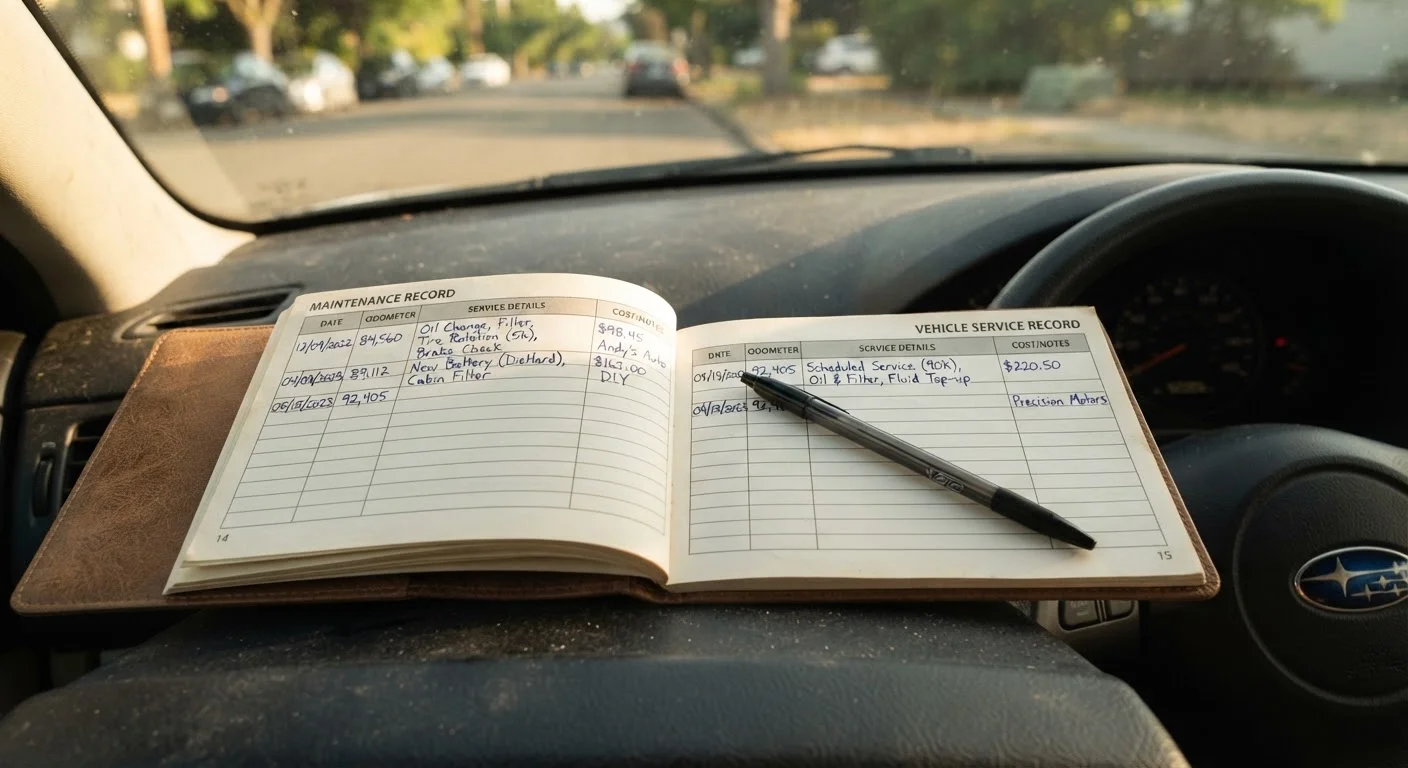
A vehicle maintenance log is simply a running record of every service, repair, and inspection your car receives. That includes oil changes, tire rotations, brake work, fluid top-offs, filter replacements — anything done to the vehicle, whether you did it yourself or a shop handled it. Each entry captures three things: the date, the odometer reading, and what was done (plus who did it and what it cost, if you want the full picture).
There's no required format. A spiral notebook kept in the glove box works just as well as a dedicated app or a spreadsheet. The goal is consistency, not sophistication. If you can update it every time work is performed, you'll have a complete picture of your vehicle's history without any effort at all.
If you're new to car ownership, the Complete Car Maintenance Guide for New Drivers is a solid starting point for understanding which services to track and when.
The Real Benefits — Beyond Just Staying Organized
Most drivers think of a maintenance log as a nice-to-have. In practice, it delivers concrete, measurable value in several situations.
If you're weighing whether a car is worth buying, a documented service history is one of the clearest signals of how well it's been cared for. Our Buying a Car hub covers what to look for when evaluating a used vehicle's past.
What to Log — and How to Keep It Going
You don't need to record every tank of gas, but anything that touches the mechanical or safety systems of the vehicle deserves an entry. Here's a practical shortlist:
- Oil and filter changes (date, mileage, oil type used)
- Tire rotations, replacements, and pressure checks
- Brake inspections and pad/rotor replacements
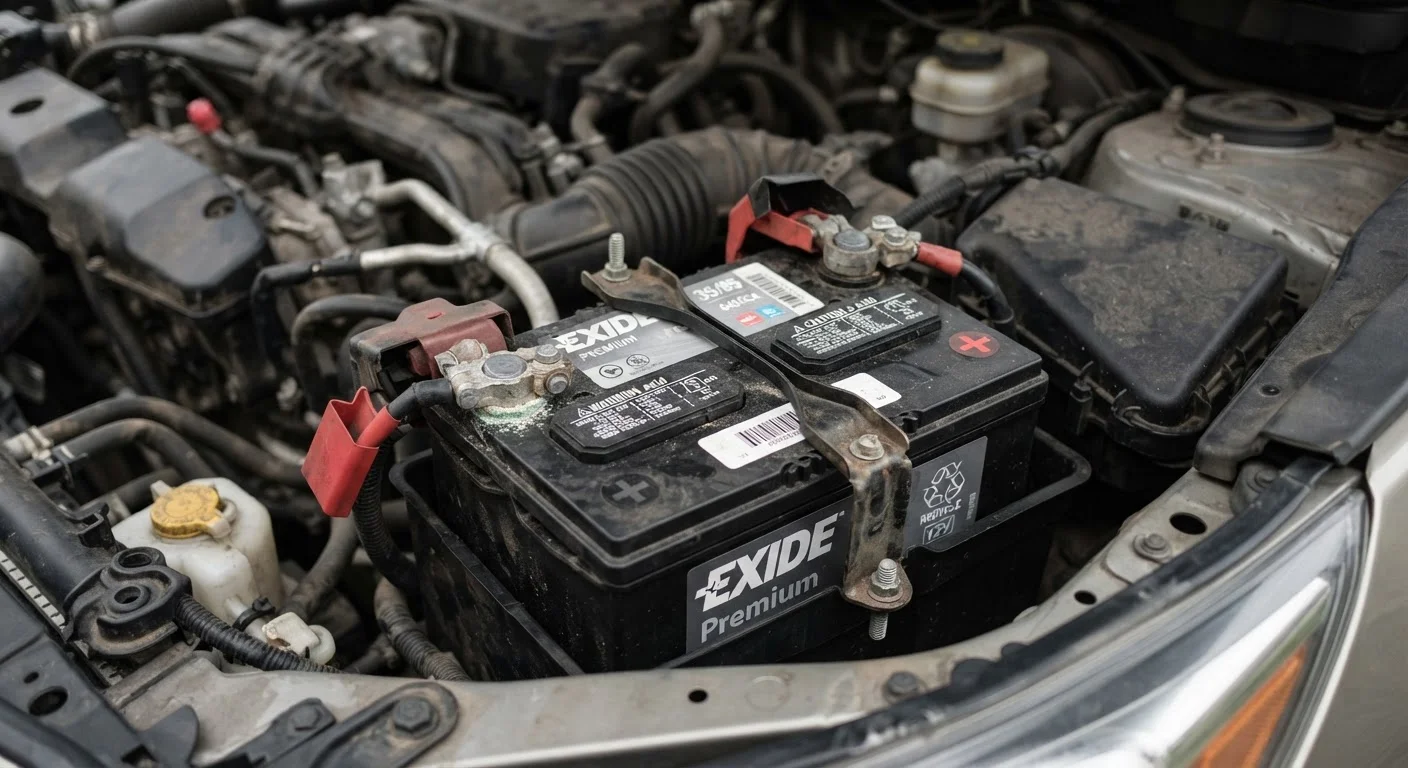
- Battery replacements or tests
- Coolant, transmission fluid, and brake fluid services
- Air filter and cabin filter swaps
- Any warning light diagnoses, even if no repair was made
- Seasonal prep tasks — see our seasonal car maintenance guide for what those involve
The hardest part isn't knowing what to log — it's remembering to do it. Attaching a small envelope to the logbook for receipts helps: at the end of each service, drop the receipt in and note the basics. Five minutes now prevents gaps that can undercut resale value or warranty claims later.
Logs and DIY Work: Keeping It Honest
If you handle any maintenance yourself — oil changes, air filters, wiper blades — log those too. Note the product specifications you used (oil viscosity grade, filter part number) alongside the date and mileage. This matters for warranty purposes: manufacturers generally require that services be performed to their specifications, not necessarily by a dealership, but you need to be able to show the work was done correctly.
For a clear-eyed view of which tasks are reasonable to do yourself and which carry more risk, the DIY car maintenance guide lays out the tradeoffs honestly.
If your vehicle is approaching a major service milestone — 30,000, 60,000, or 100,000 miles — a complete log helps a mechanic quickly understand what's already been done and what's due. The year-round car care roadmap outlines those major intervals in detail.
This article is for general informational purposes only. For advice specific to your vehicle's maintenance requirements, consult your owner's manual or a qualified mechanic.