
How Long a Car Battery Actually Lasts
The generally accepted lifespan for a standard lead-acid car battery is 3 to 5 years. That's a wide window, and for good reason — real-world conditions vary enormously. A battery in a hot southern climate may degrade faster than one in a moderate northern climate, and a vehicle that sits in a driveway for weeks at a time will drain its battery faster than one driven daily.
Heat is the primary enemy of battery longevity. High temperatures cause the battery's internal fluid to evaporate and accelerate corrosion on the lead plates inside. Cold weather, on the other hand, reduces the battery's ability to deliver a strong starting current — which is why freezing mornings can expose a battery that was already borderline.
Short commutes also take a hidden toll. Every time you start a cold engine, the battery expends significant energy. The alternator replenishes that charge while the engine runs, but if your daily drive is only 5–10 minutes, the battery may never fully recover. Over months, this gradual deficit adds up.
3–5 years
Typical car battery lifespan
Industry estimates from battery manufacturers and automotive maintenance guides consistently place average lead-acid battery life in this range under normal driving conditions.
~33%
Battery capacity lost at 32°F (0°C)
According to the Battery Council International, a fully charged lead-acid battery can lose roughly a third of its capacity in freezing temperatures, making a marginal battery more likely to fail.
50%+
Of roadside calls involve battery failure
AAA has consistently reported that battery-related issues — dead batteries, failed starts — represent one of the largest single categories of roadside assistance calls each year.
Warning Signs You Shouldn't Ignore
Batteries rarely fail without giving some advance notice. Learning to recognize the early signals can be the difference between a proactive replacement and getting stranded in a parking lot.
- Slow cranking: If the engine turns over sluggishly when you start the car — especially first thing in the morning — that's a classic sign of a weakening battery.
- Dimming headlights or interior lights: Lights that seem noticeably dimmer than usual, particularly at idle, suggest the battery or charging system isn't keeping up.
- Battery warning light: This dashboard light can indicate a problem with the battery itself or the alternator that charges it. Either way, it warrants a quick inspection.
- Swollen battery case: A battery casing that looks bloated or misshapen has been damaged, likely by excessive heat. This battery should be replaced promptly.
- Rotten egg smell: A sulfur odor near the battery can signal a leak or overcharge condition — have it inspected by a mechanic right away.
If any of these signs appear, ask a mechanic or auto parts store to run a battery load test. It's often free and gives a clear picture of remaining capacity.
Safe, Simple Battery Maintenance
You don't need mechanical expertise to keep a battery in good shape. A few straightforward habits make a real difference.
Check the Terminals
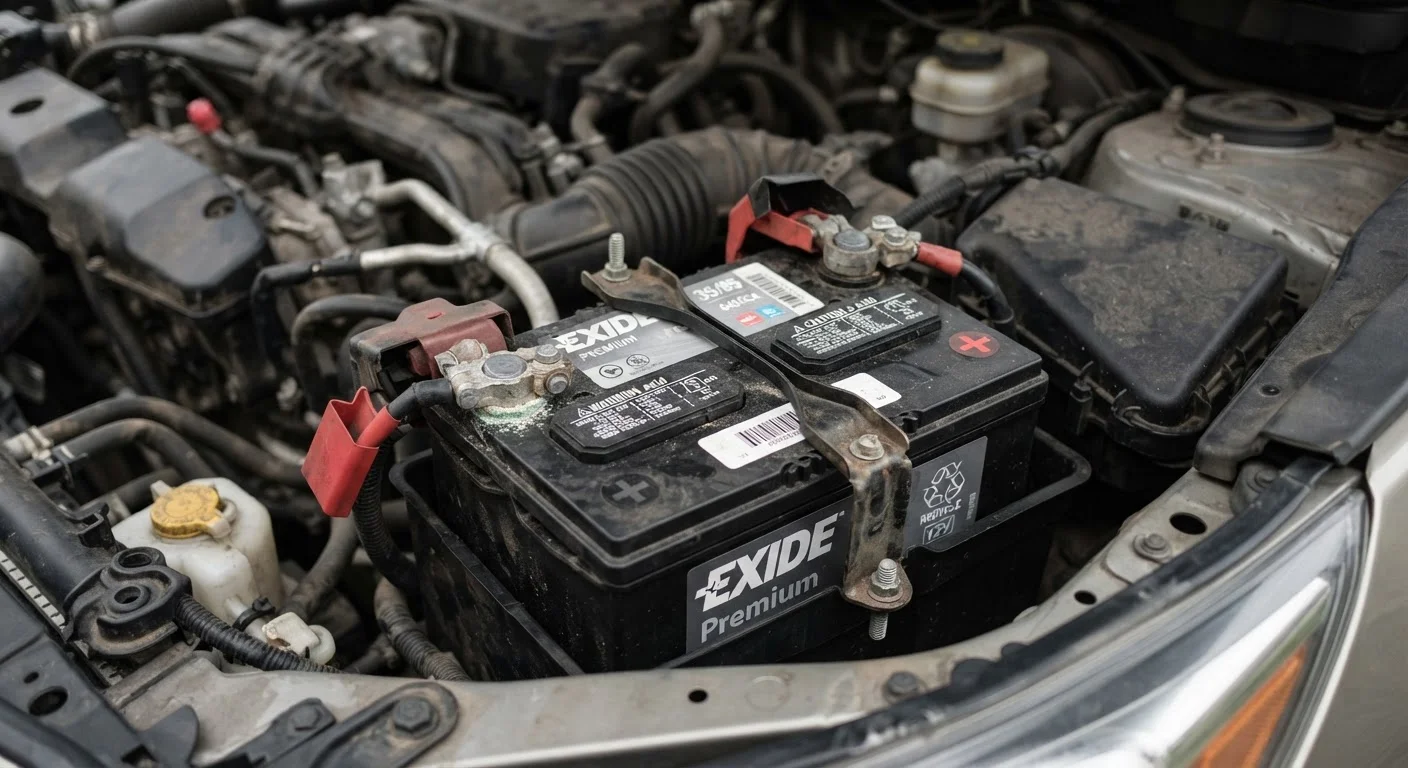
Look for a bluish-white or grayish powdery buildup around the battery posts. This is corrosion, and it creates resistance that can reduce starting power. You can clean it safely with a mixture of baking soda and water applied with an old toothbrush — but always remove the negative (black) terminal first and wear gloves and eye protection when handling battery acid residue.
Keep It Secure
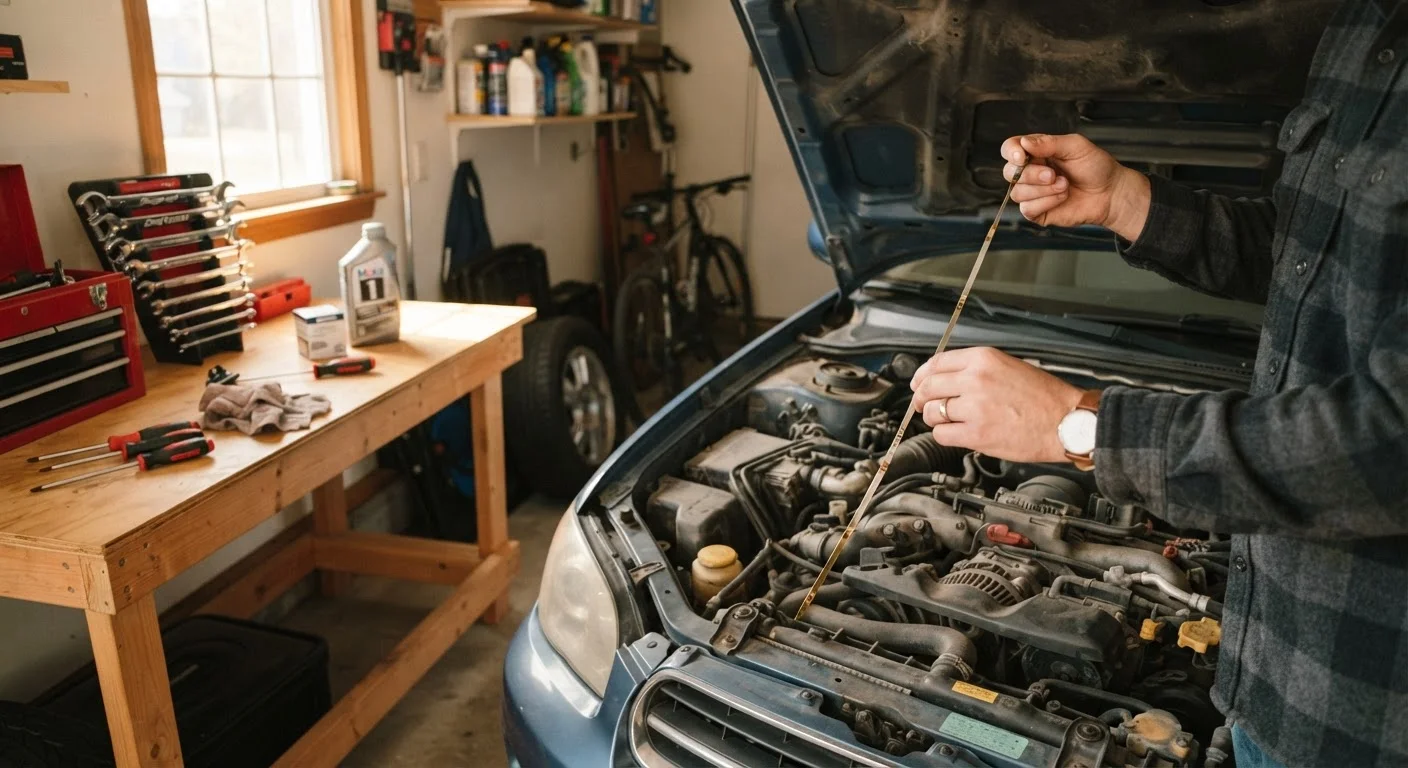
A battery that rattles around in its tray wears out faster. Make sure the hold-down bracket is snug. This is a quick visual check you can do during any routine oil change.
Avoid Unnecessary Drain
Leaving interior lights, phone chargers, or other accessories running when the engine is off pulls from the battery. Modern vehicles have small parasitic draws even when switched off, but added loads on top of that can discharge a battery overnight.
Test It Annually After Year 3
Once a battery reaches the 3-year mark, add an annual load test to your routine. This check is also part of a well-structured maintenance schedule — see the guidance on reading your owner's manual for how to track service intervals systematically.
Battery care fits naturally into a broader vehicle upkeep plan. The year-round car maintenance roadmap covers how battery checks tie into seasonal and mileage-based inspection points.
When It's Time for a Replacement
If a load test shows the battery is underperforming, or if it's already 4–5 years old and showing symptoms, replacement is usually the sensible call. Waiting for a complete failure means risking being stranded — and a dead battery often happens at the worst possible moment, like a cold morning or the start of a road trip.
When shopping for a replacement, match the battery's group size, cold cranking amps (CCA), and reserve capacity to what's specified for your vehicle. This information is in your owner's manual or on the original battery's label. A battery with the wrong specs may fit physically but underperform or cause charging system issues.
Proper disposal matters too. Lead-acid batteries are hazardous waste. Most auto parts retailers and service shops will take your old battery for recycling — typically at no charge. Don't leave it in a bin or landfill.
Battery care is one area where staying slightly ahead saves real money and real hassle. A replacement battery costs a fraction of what a roadside service call and tow can run, and far less than the frustration of a disrupted day.
If you're also thinking about safe driving habits more broadly, keeping your vehicle's electrical system reliable is a foundational part of that picture.