
Why Fluid Checks Matter
Most car problems don't happen without warning — they build slowly, often traced back to a fluid that ran low or went bad. Checking your vehicle's essential fluids is one of the simplest things you can do to avoid breakdowns, protect your engine, and stay safe on the road. You don't need to be a mechanic. You need about five minutes, a clean rag, and a basic understanding of what to look for.
This guide covers the six fluids that matter most, how to check each one, and what warning signs mean it's time to act. For a broader look at keeping your car road-ready, see The Complete Car Maintenance Guide for New Drivers.
| Most critical fluid | Engine oil — low levels cause rapid, costly engine damage |
| Recommended oil check frequency | Monthly and before long trips |
| Coolant safety rule | Never open a hot radiator cap — check the reservoir instead |
| Brake fluid color (healthy) | Clear to light yellow; dark brown means it needs replacing |
| Vehicles with no power steering fluid | Many modern cars use electric steering — no fluid needed |
| Your best reference | Owner's manual — intervals vary by vehicle make and model |
The Six Fluids to Know
Engine Oil
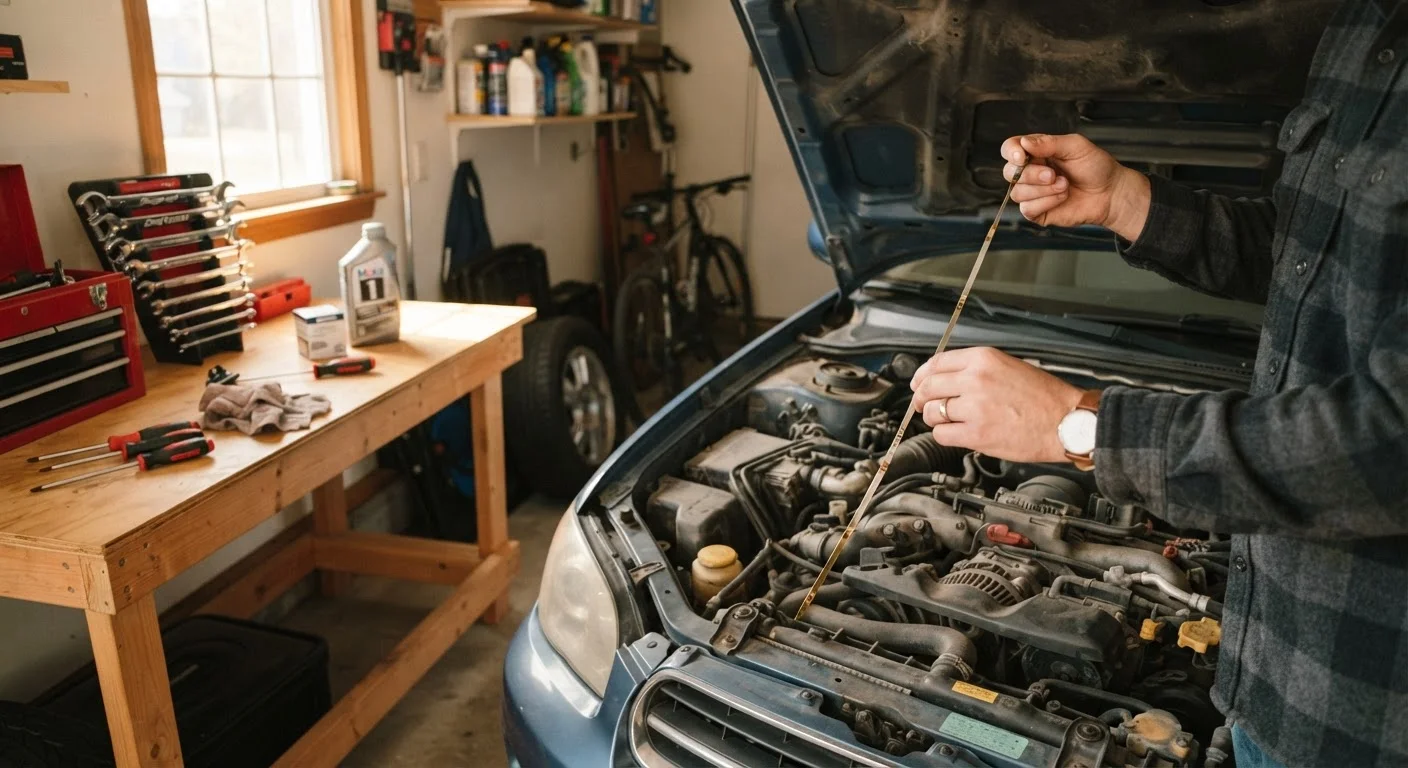
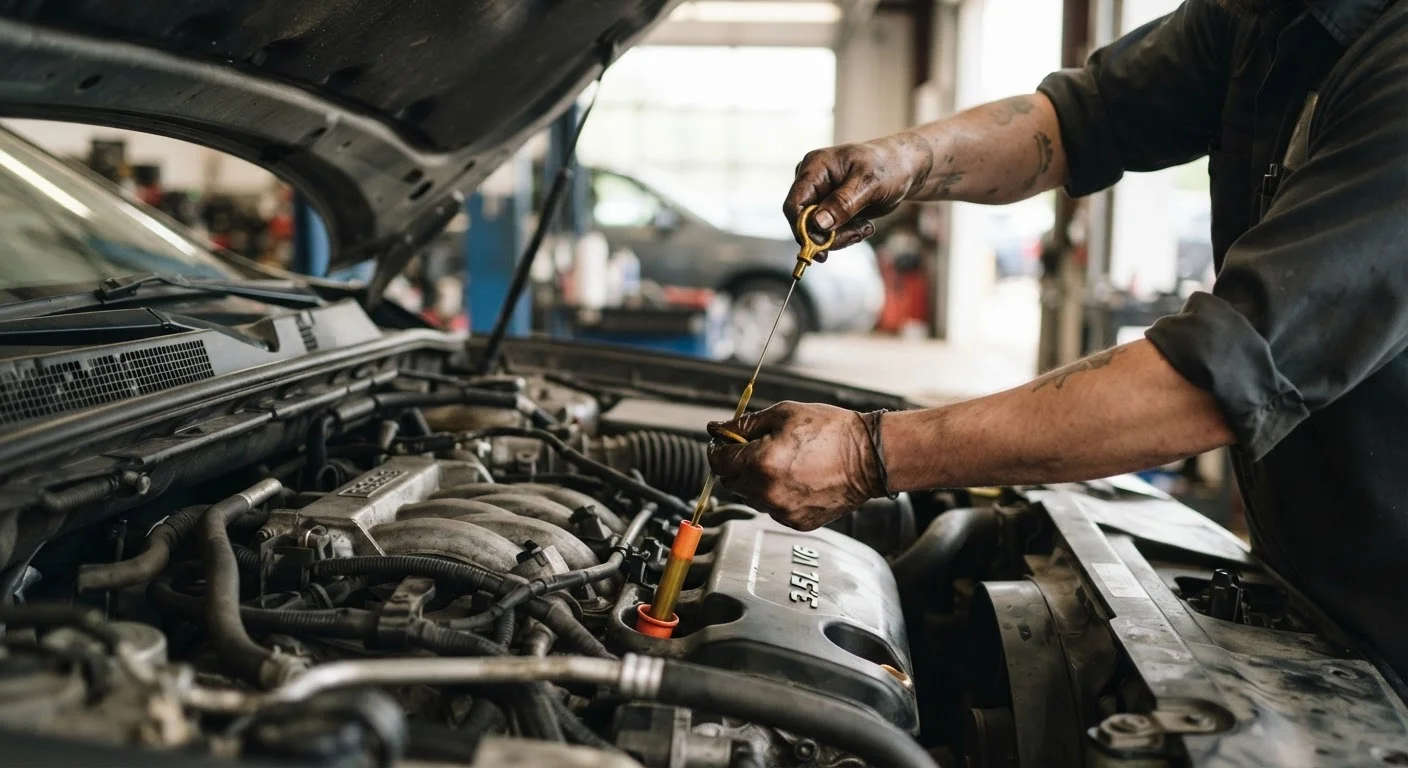
Oil lubricates the moving parts inside your engine, preventing metal-on-metal wear. To check it, park on level ground and wait a few minutes after turning off the engine. Pull out the dipstick (usually marked with a bright handle), wipe it clean, reinsert it fully, then pull it out again. The oil should sit between the two marks on the dipstick. Healthy oil is amber to light brown. Black, gritty, or milky oil signals it needs changing or that there may be a more serious problem — see a mechanic.
Coolant (Antifreeze)
Coolant prevents your engine from overheating in summer and freezing in winter. Check it at the translucent plastic reservoir near the radiator — never open the radiator cap on a hot engine, as pressurized coolant can cause serious burns. The level should fall between the MIN and MAX lines. Coolant is typically green, orange, or pink; if it looks brown or rusty, it's time for a flush. Weather transitions are a good reminder to check this — the seasonal car maintenance guide covers this in more detail.
Brake Fluid
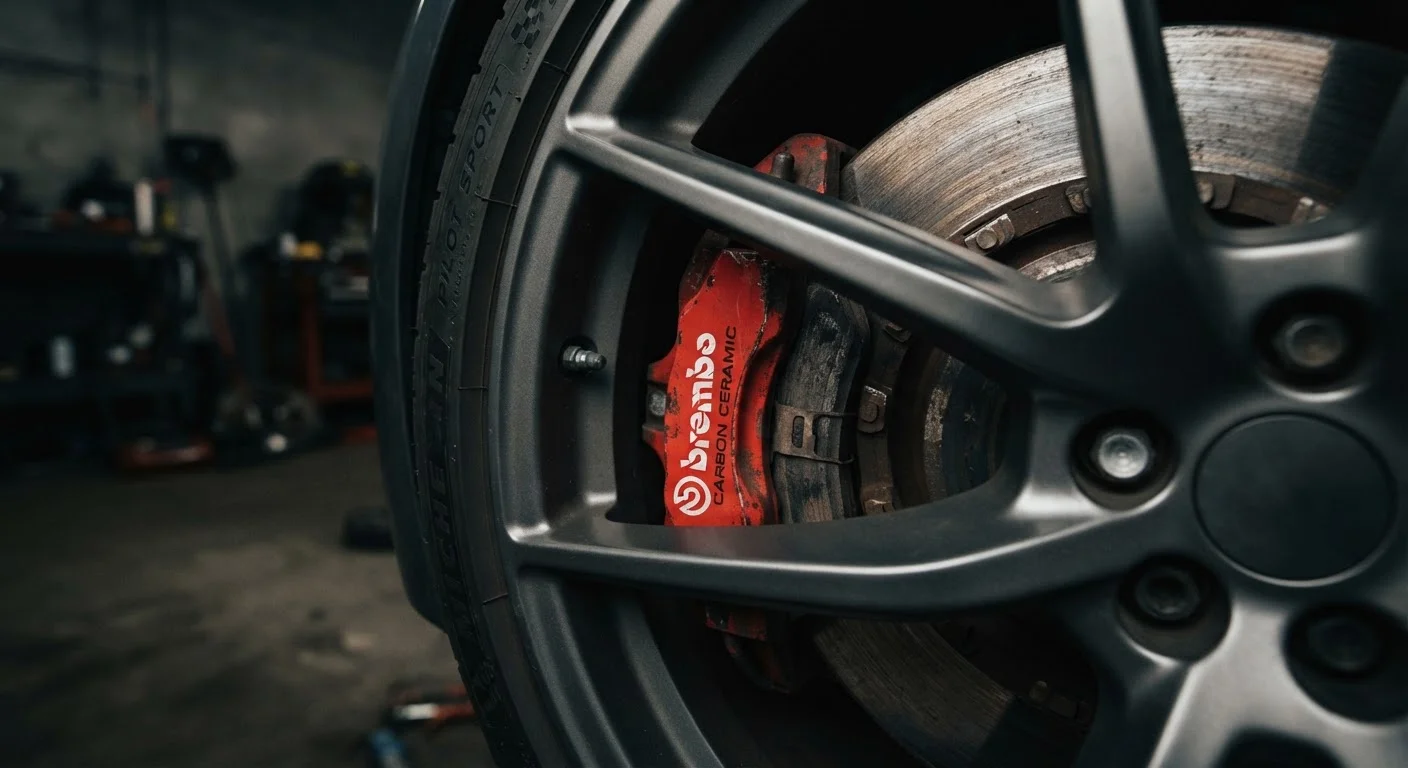
Brake fluid transmits the force from your foot to your brakes. Most vehicles have a small, semi-transparent reservoir on the master cylinder near the firewall (the wall between the engine and the cabin). The level should be between MIN and MAX. Brake fluid is typically clear to light yellow; if it's dark brown, it's absorbed moisture and should be replaced. A low level can also indicate worn brake pads or a leak — both worth checking promptly. If you notice any braking changes alongside a low reading, review brake warning signs that shouldn't be ignored.
Power Steering Fluid
This fluid keeps steering smooth and responsive. Not all modern vehicles use it — many now have electric power steering that requires no fluid. If your car has a power steering reservoir (check your owner's manual), the level and condition can be confirmed with a dipstick or MIN/MAX markings. Difficulty steering or a whining noise when turning are red flags.
Transmission Fluid
Transmission fluid lubricates the gearbox and helps your car shift smoothly. Some vehicles have a dipstick for this; others require a mechanic to check it. If your car shudders, slips between gears, or shifts sluggishly, low or degraded transmission fluid may be involved. Consult your owner's manual for the correct check procedure and change interval.
Windshield Washer Fluid
The only fluid on this list that won't damage your engine if it runs low — but running out at the wrong moment is a genuine visibility hazard. Top it up with a purpose-made washer fluid rated for your climate. Never substitute plain water in freezing conditions.
How Often to Check and When to Act
A good habit is to check oil and coolant monthly and before any long trip. Brake fluid and transmission fluid can be checked every three to six months. Your owner's manual lists recommended change intervals for each fluid — these vary by vehicle, so treat the manual as your primary reference, not general rules of thumb.
If a dashboard warning light comes on, don't ignore it. Low oil pressure or a temperature warning in particular can cause serious engine damage within minutes. Learn what your check engine light is actually telling you to separate urgent alerts from minor ones.
For a quick pre-drive habit that covers fluids alongside tires and lights, see Before You Pull Out of the Driveway.
This article is for general informational purposes only. For diagnosis, repair, or any task you're uncertain about, consult a qualified mechanic.