A practical checklist covering what to inspect and address as temperatures shift — from summer heat to winter cold — to avoid breakdowns.
Key Takeaways
Tires, battery, and fluids are the three most weather-sensitive systems on your vehicle.
Cold weather thickens engine oil and drains batteries; heat stresses coolant and tires.
Most seasonal checks take under an hour and require no special tools.
Your owner's manual contains the manufacturer's recommended service intervals for your specific car.
A few proactive checks each season can prevent the majority of weather-related breakdowns.
Why Seasonal Checks Matter
Temperature swings are hard on vehicles. Heat accelerates fluid breakdown and over-inflates tires. Cold thickens engine oil, weakens batteries, and causes tire pressure to drop — roughly 1 PSI for every 10°F of temperature decrease. Yet most drivers only think about car maintenance when something goes wrong.
Working through this checklist twice a year — once before summer peaks and once before the first hard freeze — gives you a clear picture of your car's condition while there's still time to address issues at your own pace, not a roadside emergency. For a broader look at upkeep across the calendar, the Year-Round Car Care roadmap covers every major maintenance interval in one place.
Tires
Check tire pressure with a gauge when tires are cold, and adjust to the PSI listed on the driver's door sticker — not the number printed on the tire sidewall.Must
Inspect tread depth using the penny test: insert a penny into the tread with Lincoln's head facing down — if you can see the top of his head, the tires need replacing.Must
Look for cracks, bulges, or uneven wear on the sidewalls and tread surface.Must
Rotate tires if you're within 1,000 miles of your rotation interval — heat and cold both accelerate uneven wear.Should
If you live in a region with sustained freezing temperatures or snow, consider switching to winter tires before temperatures consistently drop below 45°F.Nice to have
Battery
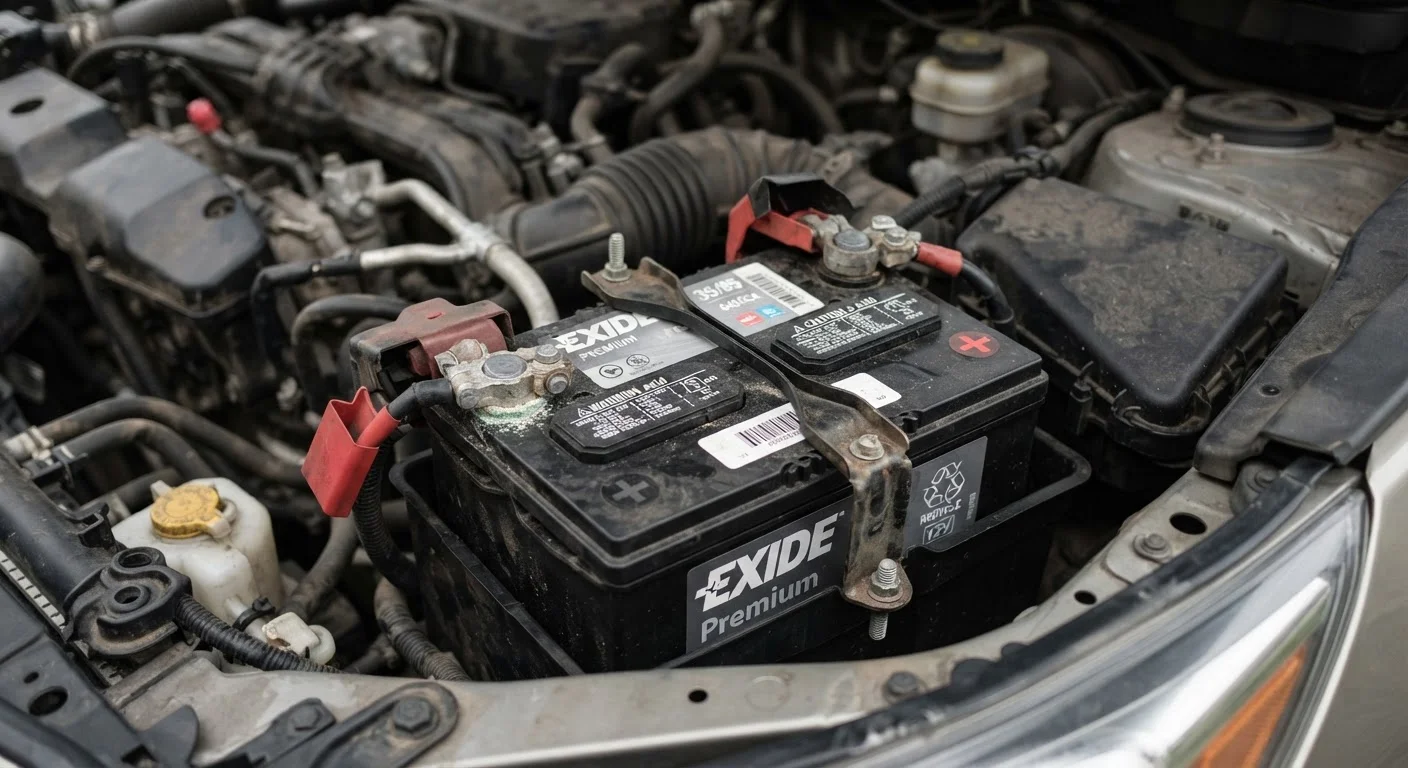
Inspect battery terminals for white or blue corrosion buildup, and clean them with a wire brush if present.Must
Have the battery load-tested at a shop or auto parts store if it is three or more years old — cold weather can cause a marginal battery to fail suddenly.Must
Check that the battery is securely mounted and not vibrating loose.Should
Fluids
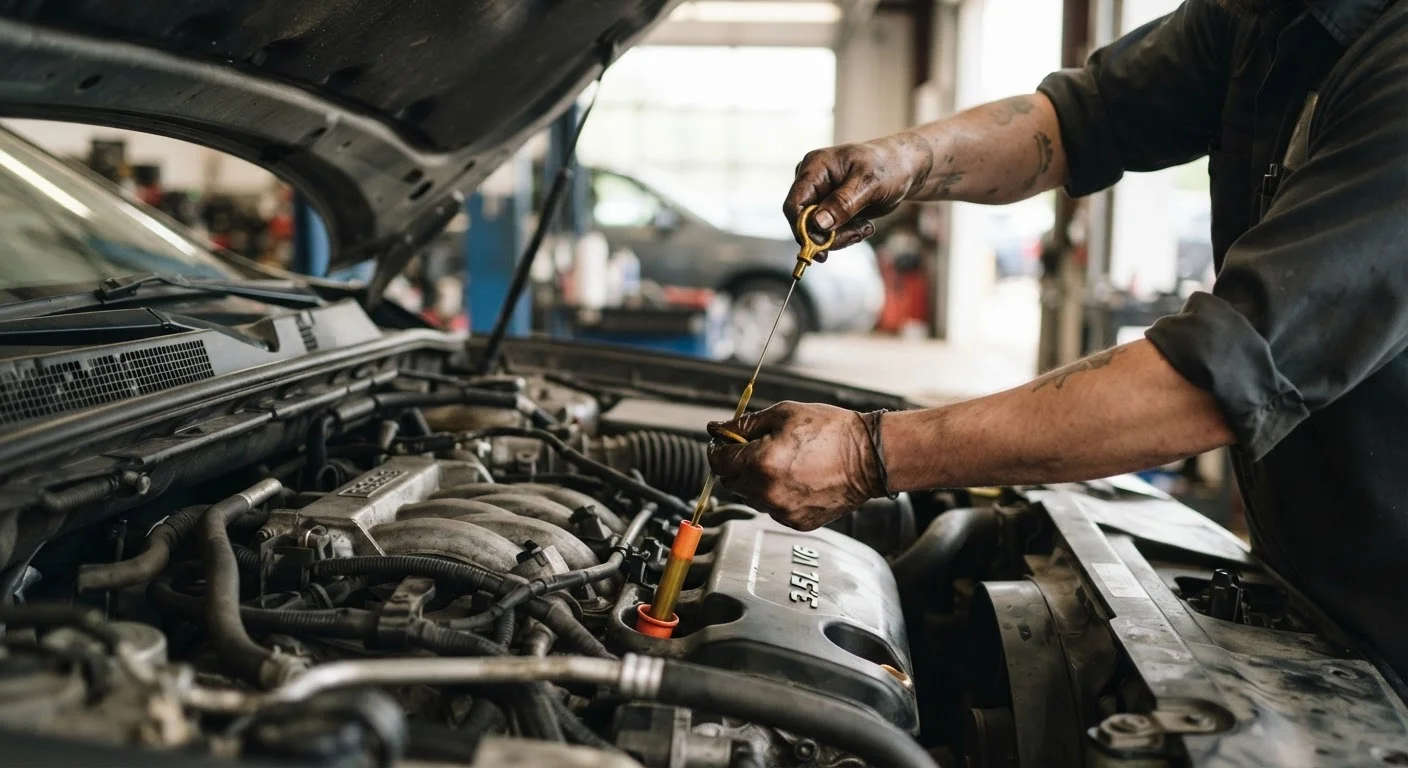
Check engine oil level and condition on the dipstick; oil that looks very dark or gritty is overdue for a change.Must
Verify coolant (antifreeze) level in the reservoir and confirm the mixture is rated for the lowest temperatures in your region — a 50/50 mix of coolant and water protects most vehicles to around -34°F.Must
Top up windshield washer fluid with a winter-rated formula before cold weather arrives — standard fluid freezes in the lines and reservoir.Must
Check brake fluid level and color; dark or murky fluid can indicate moisture contamination and may warrant a flush.Should
Inspect power steering and transmission fluid levels if your vehicle has separate reservoirs for them.Should
Lights and Visibility
Walk around the car and verify all lights are working: headlights, taillights, brake lights, turn signals, and reverse lights.Must
Replace windshield wiper blades if they streak, skip, or chatter — winter-rated blades handle ice and snow better than standard all-season blades.Must
Clean headlight lenses if they appear foggy or yellowed, as oxidized plastic significantly reduces light output.Should
Belts, Hoses, and Heating
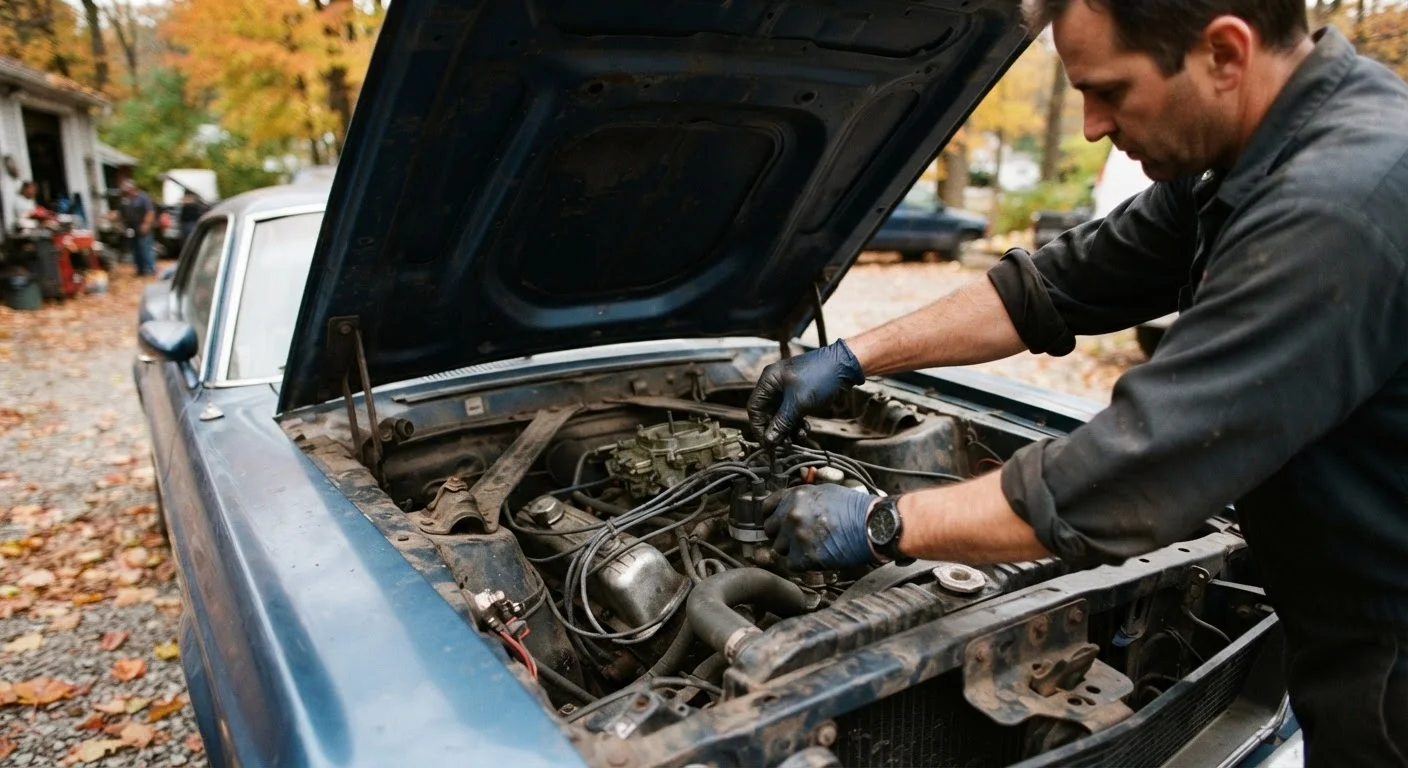
Visually inspect accessible belts for fraying, cracking, or glazing; a worn serpentine belt can strand you without warning.Must
Squeeze coolant hoses when the engine is cold — they should feel firm but pliable, not soft, spongy, or brittle.Should
Test the heater and defroster well before you need them; if airflow is weak or the defroster leaves streaks, address it before winter.Must
Emergency Preparedness
Confirm your spare tire is inflated and your jack and lug wrench are present and accessible.Must
Keep an emergency kit in the trunk with jumper cables or a jump-start pack, a flashlight, a blanket, and basic first aid supplies.Should
Add an ice scraper, small shovel, and traction sand or cat litter to your winter kit before the first freeze.Nice to have
Tools and Resources You'll Need
You don't need a full toolbox to complete this checklist. A few basic items let you handle the inspection yourself; anything beyond a visual check can be handed off to a shop.
Required
Tire pressure gauge
Accurately measures PSI so you can compare to the door sticker specification.
Required
Penny or tread-depth gauge
Checks whether tread depth has worn past the safe minimum.
Required
Flashlight
Helps you see into the engine bay, under the car, and around tires.
Required
Clean rags
Used for wiping dipsticks and checking fluid color and condition.
Optional
Wire brush
Removes corrosion from battery terminals.
Optional
Battery load tester
Tests whether the battery can hold charge under real-world demand — often available free at auto parts stores.
Coolant checks should only be done when the engine has been off for at least 30 minutes and the radiator cap and reservoir are cool to the touch. Opening a hot cooling system releases pressurized steam that causes serious burns. Check the coolant level through the translucent overflow reservoir only — you rarely need to open the cap at all.
Logging What You Find
Once you've worked through the checklist, write down what you checked, what condition each item was in, and any action taken. This takes five minutes and pays off in two ways: it helps you spot a pattern if the same issue comes up season after season, and it supports your vehicle's resale value. See why keeping a vehicle maintenance log is worth the small effort.
If your car is newer or you've recently bought used, also pull out your owner's manual. Manufacturers build a specific maintenance schedule into that document — mileage intervals, fluid specs, and seasonal notes — that most drivers never read. Our guide on reading your owner's manual explains what to look for and why it matters. And once your car is road-ready, adjusting your driving approach for severe conditions is the natural next step for staying safe once winter hits.
Cars & Driving Editorial Team is the collective byline for our editorial team and contributor network. Articles published under this byline or an editorial pen name are researched, written, and reviewed according to our editorial standards for clarity, consistency, and independence before publication.
The content provided on our blog site traverses numerous categories, offering readers valuable and practical information. Readers can use the editorial team’s research and data to gain more insights into their topics of interest. However, they are requested not to treat the articles as conclusive. The website team cannot be held responsible for differences in data or inaccuracies found across other platforms. Please also note that the site might also miss out on various schemes and offers available that the readers may find more beneficial than the ones we cover.