
Why a Year-Round Maintenance Plan Matters
Most drivers don't think about their car until something goes wrong. That reactive approach is also one of the most expensive ways to own a vehicle. According to AAA, American drivers spend billions annually on repairs that regular maintenance could have prevented or caught early.
A structured maintenance roadmap takes the guesswork out of ownership. Instead of reacting to breakdowns, you're anticipating wear, scheduling service at the right intervals, and catching small problems before they become large ones. If you're newer to car ownership and want a foundational overview, see our complete guide for new drivers. This article builds on that foundation with a comprehensive, season-by-season and mileage-by-mileage roadmap for ongoing ownership.
Monthly Checks Every Driver Should Do
Certain items deserve attention every month, regardless of mileage or season. None of these require mechanical skill — just a few minutes and your eyes.
- Tire pressure: Tires lose roughly 1 PSI for every 10°F drop in temperature. Check pressure when tires are cold, using the specification listed on the sticker inside your driver's door jamb — not the number printed on the tire sidewall.
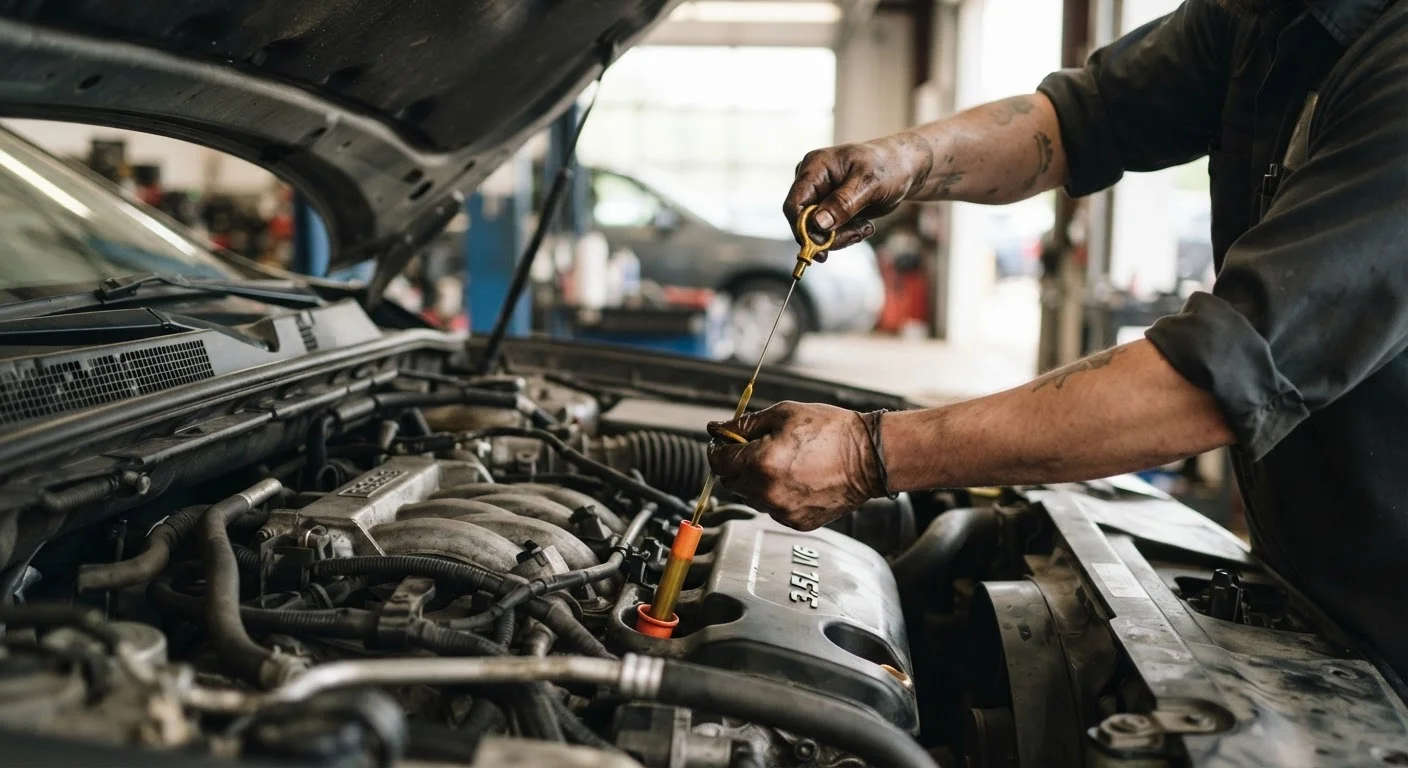
- Engine oil level: Pull the dipstick with the engine off and cool. Oil should read between the minimum and maximum marks. Dark brown oil is normal; gritty, milky, or foam-flecked oil is not.
- Coolant reservoir: A quick visual check of the overflow bottle tells you whether the level is within the marked range. Never open a hot radiator cap.
- Windshield washer fluid: Low fluid is a safety issue, not just a convenience one. Top it off and use a formula rated for your climate.
- Lights: Walk around the car and confirm all exterior lights — headlights, taillights, brake lights, and turn signals — are functional.
Check tire pressure first thing in the morning before driving — tires heat up during use, which temporarily raises pressure readings and can give you a falsely optimistic number.
Cold-tire pressure readings are the standard used by vehicle manufacturers and the figure printed in your door jamb sticker, so morning checks give you the most accurate comparison.
When you notice a new noise or vibration, note exactly when it happens — at what speed, during braking, turning, or acceleration — before you call a mechanic. That information cuts diagnostic time significantly.
Mechanics rely heavily on driver descriptions to narrow down causes; a precise account of when and how a symptom occurs is often more useful than a vague complaint.
Seasonal Maintenance: What to Do Each Quarter
Each season puts different stresses on your vehicle. Building a quarterly inspection habit catches weather-related wear before it causes failures on the road.
Spring
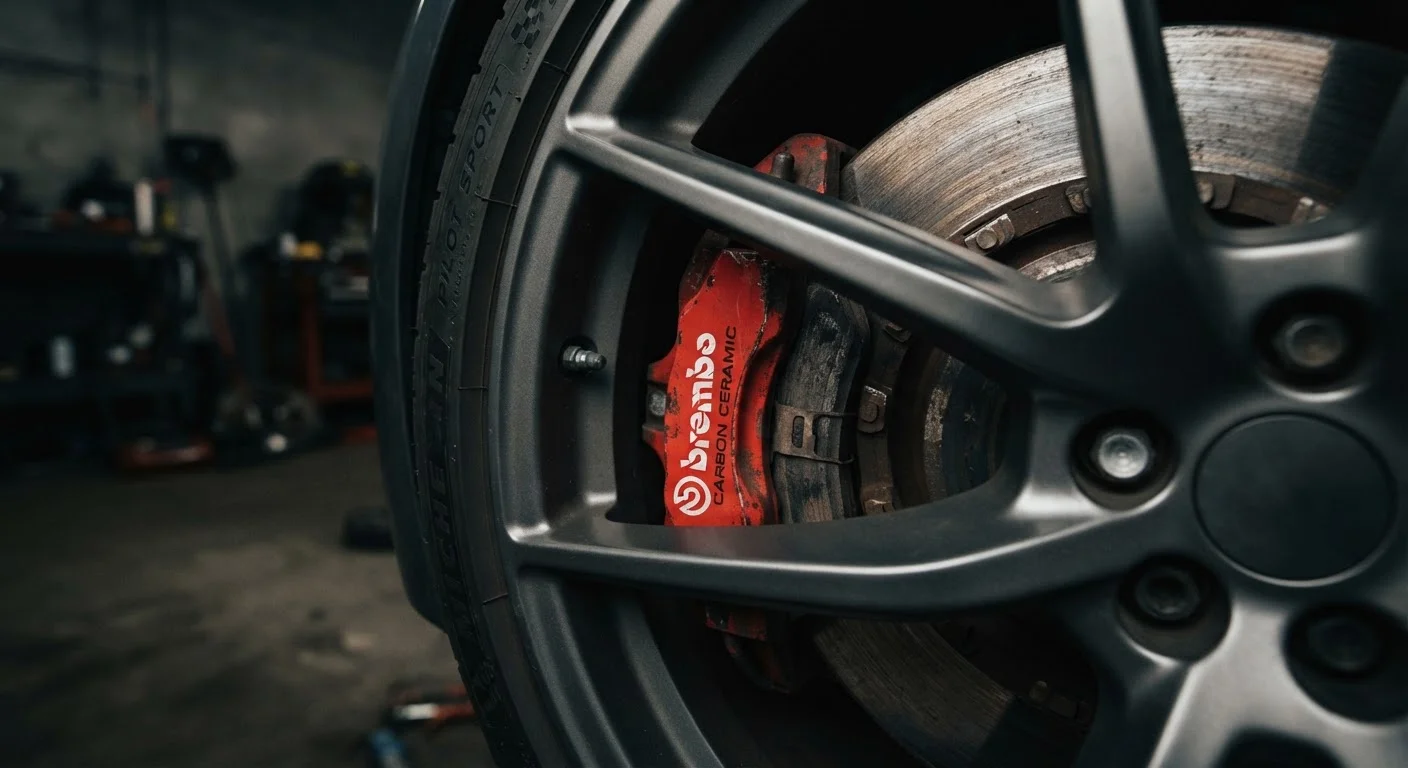
After a winter of road salt, cold starts, and temperature extremes, spring is the right time for a thorough inspection. Check your undercarriage for rust or corrosion from road salt. Inspect wiper blades — winter use degrades them quickly. Have your brakes inspected if you notice any pulling, grinding, or longer stopping distances.
Summer
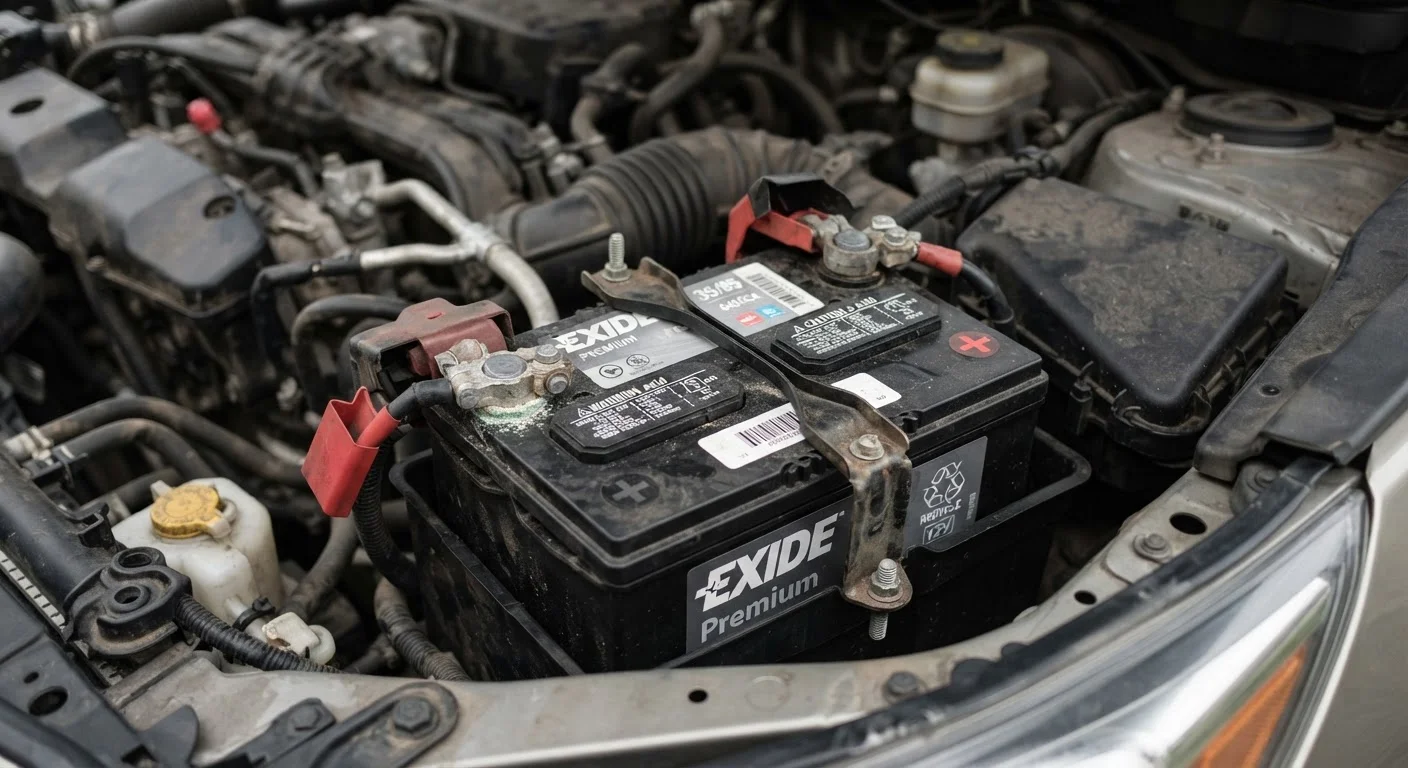
Heat accelerates battery discharge and accelerates tire pressure fluctuations. Check your battery's condition if it's more than three years old. Verify that your air conditioning system is cooling properly — a refrigerant recharge may be needed if output is weak. Inspect belts and hoses, which can crack in extreme heat.
Fall
Fall is your preparation window before harsh weather arrives. Test your battery under load (many auto parts stores do this free of charge). Switch to winter-grade windshield washer fluid. If you live in a region with snow and ice, evaluate whether all-season or winter tires are appropriate.
Winter
Cold weather thickens engine oil, strains batteries, and reduces tire traction. Keep your fuel tank at least half full to reduce condensation in the fuel system. Check your four-wheel or all-wheel drive system if equipped. Carry an emergency kit: jumper cables, an ice scraper, a blanket, and a flashlight.
Mileage-Based Service Intervals Explained
Some maintenance tasks are tied to mileage rather than calendar time. Your owner's manual is the authoritative source — manufacturer recommendations vary significantly by vehicle and engine type. Use the following as a general framework, not a universal rule.
| Service | General Interval |
|---|---|
| Oil and filter change (conventional oil) | Every 3,000–5,000 miles |
| Oil and filter change (synthetic oil) | Every 7,500–10,000 miles |
| Tire rotation | Every 5,000–7,500 miles |
| Air filter replacement | Every 15,000–30,000 miles |
| Brake fluid flush | Every 2 years or 30,000 miles |
| Spark plugs (standard) | Every 30,000 miles |
| Spark plugs (iridium/platinum) | Every 60,000–100,000 miles |
| Transmission fluid | Every 30,000–60,000 miles |
| Coolant flush | Every 50,000–100,000 miles |
| Timing belt (if applicable) | Every 60,000–100,000 miles |
Always cross-reference your owner's manual. Many modern vehicles include an onboard maintenance reminder system, but those systems supplement — they don't replace — the manual's guidance.
Warning Signs You Should Never Ignore
Dashboard warning lights and unusual sensations are your car's way of communicating. Ignoring them rarely saves money — it almost always costs more.
- Check Engine light: This light covers a wide range of issues, from a loose gas cap to a failing catalytic converter. Have the diagnostic code read promptly.
- Oil pressure warning: Pull over safely and turn off the engine immediately. Driving with low oil pressure can cause catastrophic engine damage within minutes.
- Temperature warning: An overheating engine can warp cylinder heads. Stop driving, let the engine cool, and have it inspected before driving further.
- Vibration or pulling: Steering pull or wheel vibration often signals uneven tire wear, alignment issues, or a brake problem.
- Grinding or squealing brakes: Squealing typically means worn brake pads. Grinding usually means metal-on-metal contact — a safety emergency requiring immediate service.
When in doubt, have a qualified mechanic inspect the vehicle. Guessing at a warning sign is rarely a sound strategy.
Tracking Your Maintenance History
Every service your vehicle receives — oil changes, tire rotations, brake jobs, fluid flushes — should be documented. A complete service record does three important things: it helps you stay on schedule, it supports your vehicle's resale value, and it gives a mechanic critical context when diagnosing a problem.
You can track maintenance with a simple notebook kept in the glove box, a spreadsheet, or one of several smartphone apps designed for vehicle logging. Whatever format you choose, record the date, mileage, service performed, and the shop or technician who did the work. Our detailed guide on keeping a vehicle maintenance log walks through how to set one up and what to include.
Consistent maintenance paired with good recordkeeping gives you confidence in your vehicle and leverage when it's time to sell or trade in. It's one of the simplest habits an owner can build — and one of the most rewarding over time.
This article provides general vehicle maintenance information for educational purposes only. Always consult your vehicle's owner's manual and a qualified, licensed mechanic for guidance specific to your car and situation.