
Why Maintenance Matters From Day One
Owning a car comes with a responsibility that goes beyond pumping gas and paying insurance. Regular maintenance keeps your vehicle safe, prevents small problems from becoming expensive repairs, and extends the life of one of the largest purchases most people ever make.
The good news: you don't need to be a mechanic. Most of what new drivers need to know involves simple, periodic checks that take only minutes. For a broader seasonal perspective, the Year-Round Car Care Roadmap covers how to time your maintenance across every season. This guide focuses on the fundamentals — the things every driver should understand regardless of make, model, or experience level.
Owner's manual
The booklet that comes with your vehicle outlining every maintenance interval, fluid specification, and system detail specific to your car. It's the most reliable guide you have.
Oil viscosity
A measure of how thick or thin engine oil is, expressed as a number like 5W-30. Your owner's manual specifies which grade is right for your engine — using the wrong one can reduce protection.
Tire PSI
Pounds per square inch — the unit used to measure tire inflation pressure. The correct number for your vehicle is on the door jamb sticker, not the tire itself.
ASE certification
A nationally recognized credential for automotive technicians, issued by the National Institute for Automotive Service Excellence. It's a useful baseline when evaluating a repair shop.
Coolant
A liquid (also called antifreeze) that circulates through the engine to regulate temperature, preventing both overheating in summer and freezing in winter.
Wear indicator
A built-in feature on brake pads and tires that signals when the component has worn down to a replacement threshold — often a squealing sound for brake pads or raised bars visible in tire tread.
The Fluids Your Car Can't Live Without
Your car runs on a network of fluids that each do a specific job. Letting any of them run low or go bad can cause real damage.
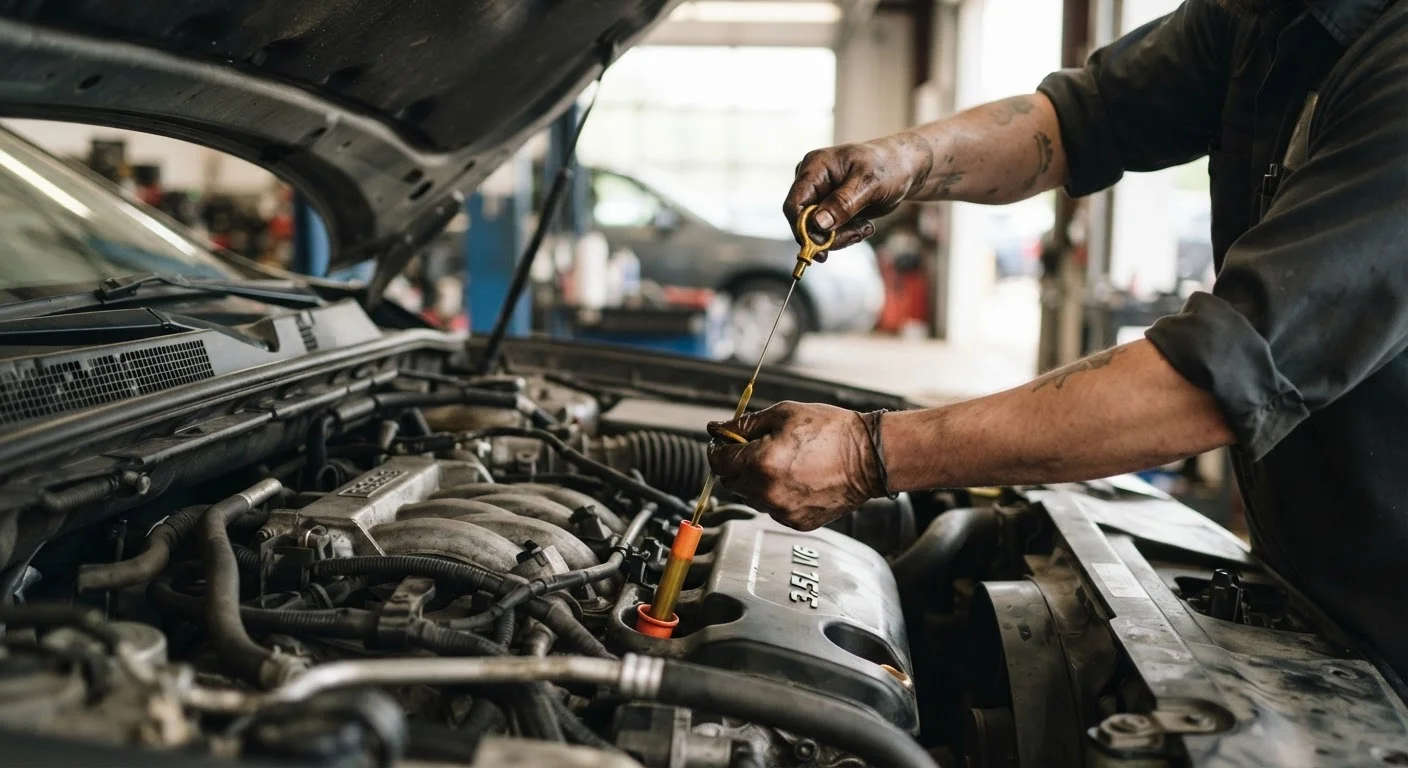
- Engine oil — Lubricates moving parts and prevents engine wear. Check the level monthly using the dipstick; change it on the schedule in your owner's manual.
- Coolant (antifreeze) — Keeps the engine from overheating or freezing. Check the reservoir level when the engine is cold.
- Brake fluid — Transmits force from your foot to the brakes. Low or dark fluid may signal a leak or that the brakes need servicing.
- Power steering fluid — If your car has hydraulic steering, this fluid keeps steering smooth. Many newer vehicles use electric steering and don't require it.
- Windshield washer fluid — The only fluid you can safely top off yourself without mechanical knowledge. Keep it full for visibility.
Most of these have reservoir caps under the hood with clear labels. Consulting your owner's manual will show you exactly where each one is located in your specific vehicle.
Tires: Pressure, Tread, and Rotation
Tires are your car's only contact with the road, so their condition directly affects both safety and handling. Three things to stay on top of:
- Tire pressure — Check monthly with a gauge. The correct PSI is on the sticker inside your driver's door jamb. Underinflated tires reduce fuel economy and wear unevenly; overinflated tires reduce grip.
- Tread depth — Worn tread reduces stopping ability, especially in rain. A quick test: insert a penny into the tread groove with Lincoln's head pointing down. If you can see the top of his head, the tread is too low and the tire needs replacing.
- Rotation — Tires wear at different rates depending on their position. Rotating them every 5,000 to 7,500 miles (or per your manual) evens out wear and extends tire life.
Check Tire Pressure When Tires Are Cold
Tire pressure readings are most accurate when the tires haven't been driven on for at least an hour. Heat from driving temporarily increases pressure, which can lead you to underinflate a warm tire. Make your monthly check part of a morning routine before you leave home.
Brakes, Lights, and Other Safety Checks
Brakes and lights are safety-critical — problems here put you and others at risk. Here's what to watch for:
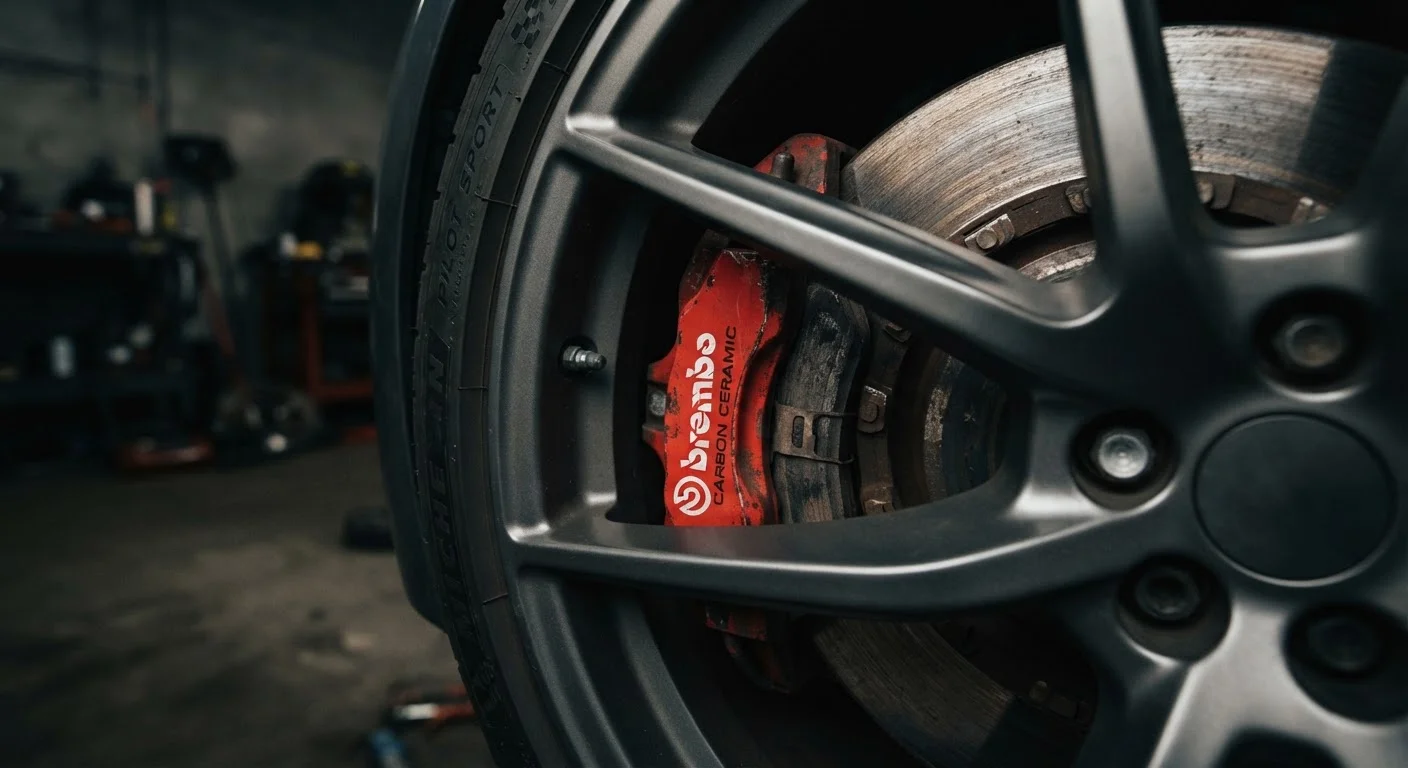
- Brake pads — A high-pitched squealing when braking is often a wear indicator built into the pad. Grinding sounds mean the pad is likely gone and metal is contacting metal. Either way, see a mechanic promptly. Do not attempt brake pad replacement unless you have proper training and equipment.
- Lights — Walk around your car periodically to confirm all headlights, taillights, turn signals, and brake lights are working. A burned-out bulb can earn you a ticket and — more importantly — makes you invisible to other drivers.
- Wiper blades — Replace them once they start streaking or chattering, typically every six to twelve months. This is one of the simplest DIY tasks a new driver can handle.
For more on safe driving habits that complement good vehicle upkeep, see the Driving & Safety hub.
When to See a Mechanic
Some warning signs demand professional attention — don't delay on these:
- Any dashboard warning light that stays on (especially oil pressure or temperature)
- Unusual noises: grinding, knocking, or rattling that wasn't there before
- The car pulling to one side while driving or braking
- Vibrations in the steering wheel or seat at highway speeds
- Smoke or burning smells from under the hood or near the wheels
When in doubt, get it looked at. A diagnostic visit costs far less than the repair that follows from ignoring a problem. For a clear-eyed look at what you can handle yourself versus what needs a pro, read our DIY vs. professional maintenance guide.
Building a Maintenance Routine That Sticks
The most effective maintenance plan is one simple enough to actually follow. Here's a practical framework:
- Monthly
- Check tire pressure, oil level, and all fluid reservoirs. Inspect lights.
- Every 3,000–10,000 miles
- Oil and filter change (per your manual's specification).
- Every 6 months or 6,000 miles
- Tire rotation, wiper inspection, cabin air filter check.
- Annually
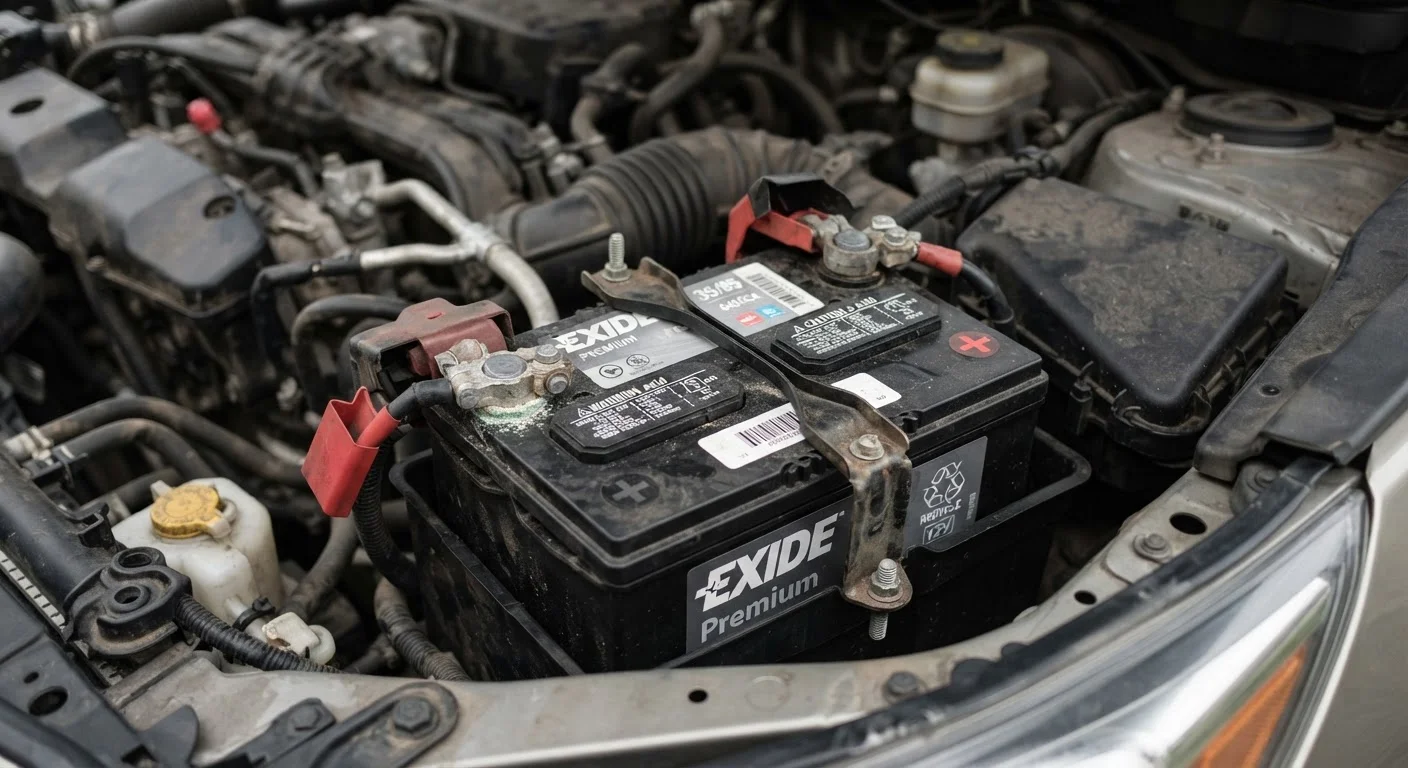
- Full inspection by a qualified mechanic — brakes, belts, hoses, battery, and suspension components.
Writing all of this down pays dividends. A vehicle maintenance log helps you track what's been done, spot patterns, and demonstrate upkeep history when you eventually sell. And if you're still in the process of finding your first vehicle, the Buying a Car hub walks you through what to look for before you sign anything.
Car maintenance isn't complicated — it's mostly about consistency. A few minutes of attention each month is all it takes to keep most vehicles running reliably for years.