
Why This Decision Is Worth Thinking Through
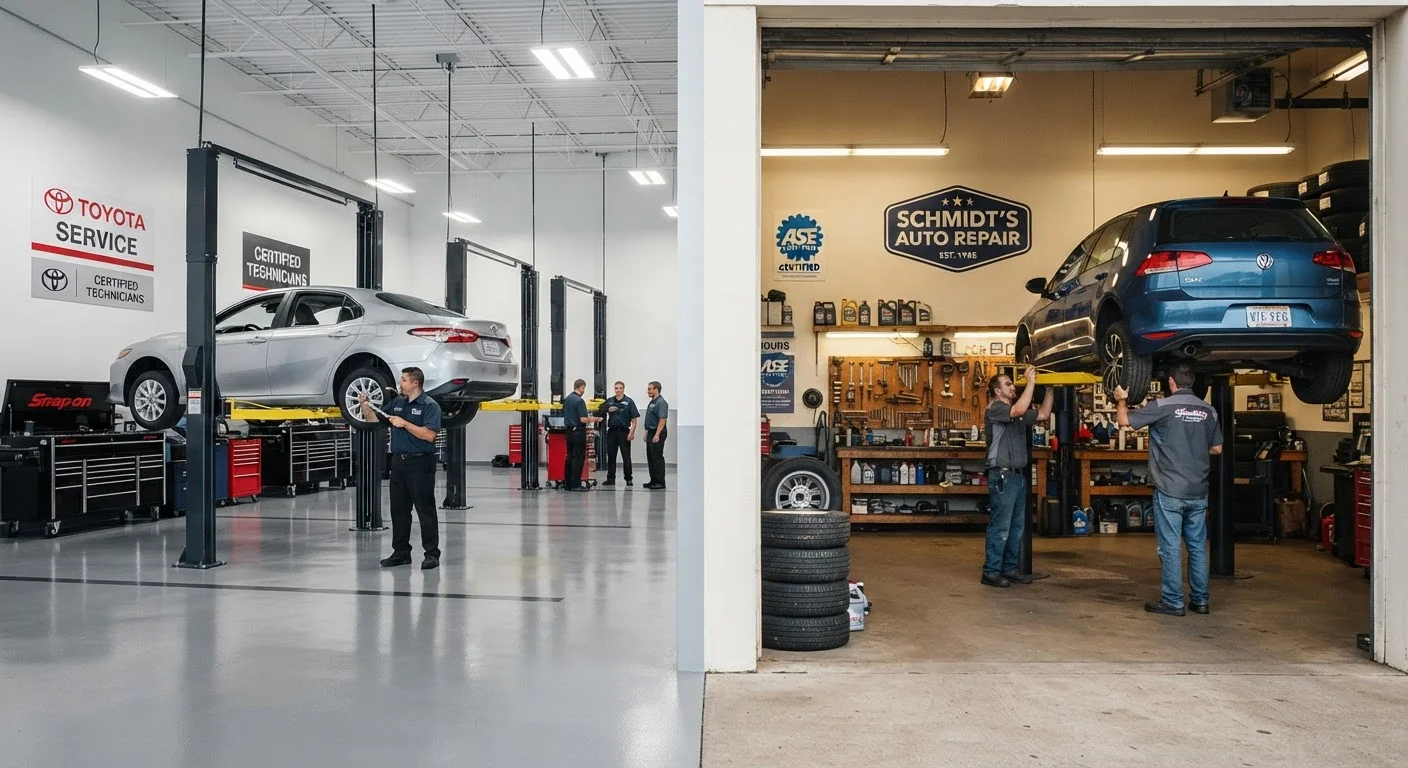
Most drivers pick a service option out of habit or convenience — they go to the dealership because it came with the car, or they go to the corner shop because it's close. But the two types of shops differ in meaningful ways, and the wrong choice for your situation can cost you money or — in warranty situations — create real complications down the road.
This isn't a matter of one type being better than the other. It's about matching the shop to your car's needs, your warranty status, and the specific job being done. If you've ever wondered whether you're leaving money on the table or taking an unnecessary risk, here's a straightforward look at what each option actually offers.
What Dealership Service Centers Do Well
Dealership service departments employ technicians who are trained specifically on their brand — often through manufacturer certification programs. They also have access to proprietary diagnostic tools, factory technical service bulletins, and original equipment manufacturer (OEM) parts. For some repairs, particularly those involving complex electronics, software updates, or brand-specific systems, that access genuinely matters.
The clearest reason to use a dealership is warranty coverage. If your vehicle is under a factory warranty, having work done at an authorized dealership ensures you're not inadvertently voiding coverage. Recall repairs and most extended powertrain warranties also have to go through the dealership.
Dealerships are also your only option for manufacturer recall work, which is completed at no charge to you. If you're unsure whether your vehicle has any open recalls, the National Highway Traffic Safety Administration (NHTSA) maintains a free public database you can search by VIN.
| Dealership Service Center | Independent Mechanic | |
|---|---|---|
| Labor rates | Generally higher | Generally lower |
| Technician specialization | Brand-specific factory training | Broad experience; ASE-certified options available |
| Warranty work | Required for covered repairs | Not authorized for warranty claims |
| Recall repairs | Only option; performed free of charge | Not available |
| Parts used | OEM parts standard | OEM or quality aftermarket |
| Diagnostic tools | Proprietary brand-specific tools | General tools; varies by shop |
| Personal service | Often less direct access to technician | Often more direct communication |
| Best suited for | New cars, warranty work, complex brand-specific repairs | Older vehicles, routine maintenance, general repairs |
The downsides are real, though: dealership labor rates tend to be higher, wait times can be longer, and the service experience is often less personal — you may deal with a service advisor rather than the technician actually working on your car.
What Independent Mechanics Bring to the Table
Independent shops make up the majority of auto repair businesses in the U.S., and many of them are staffed by highly experienced technicians — including former dealership employees. Technicians at independent shops can hold ASE (Automotive Service Excellence) certifications, which are a recognized industry benchmark for competency.
The most consistent advantage is cost. Independent shops typically have lower overhead than dealerships, and that often translates to lower hourly labor rates. They also tend to offer more flexibility on parts — using quality aftermarket components when appropriate, which can reduce your bill without compromising the repair.
Another factor many drivers overlook: the relationship. A good independent mechanic who knows your car's history can be a genuine asset. They're often more willing to walk you through what they found, explain what's urgent versus what can wait, and give you a straight answer without upselling. For services like tire rotation, balancing, and alignment, an independent shop is usually a perfectly sound choice.
The risk is variability. Quality among independent shops varies widely, so vetting the shop before you commit matters. Look for ASE-certified technicians, check reviews, and don't hesitate to ask about their experience with your specific make.
Key Factors to Help You Decide
Run through these questions before booking an appointment:
- Is your vehicle under warranty? If yes, use a dealership for any covered work. The Magnuson-Moss Warranty Act generally means a manufacturer can't void your warranty simply because you used an independent shop for routine maintenance — but for anything covered by the warranty itself, stick with the dealership to avoid disputes.
- Is this a recall or technical service bulletin? Go to the dealership — it's the only place equipped and authorized to handle these, and recall work is free.
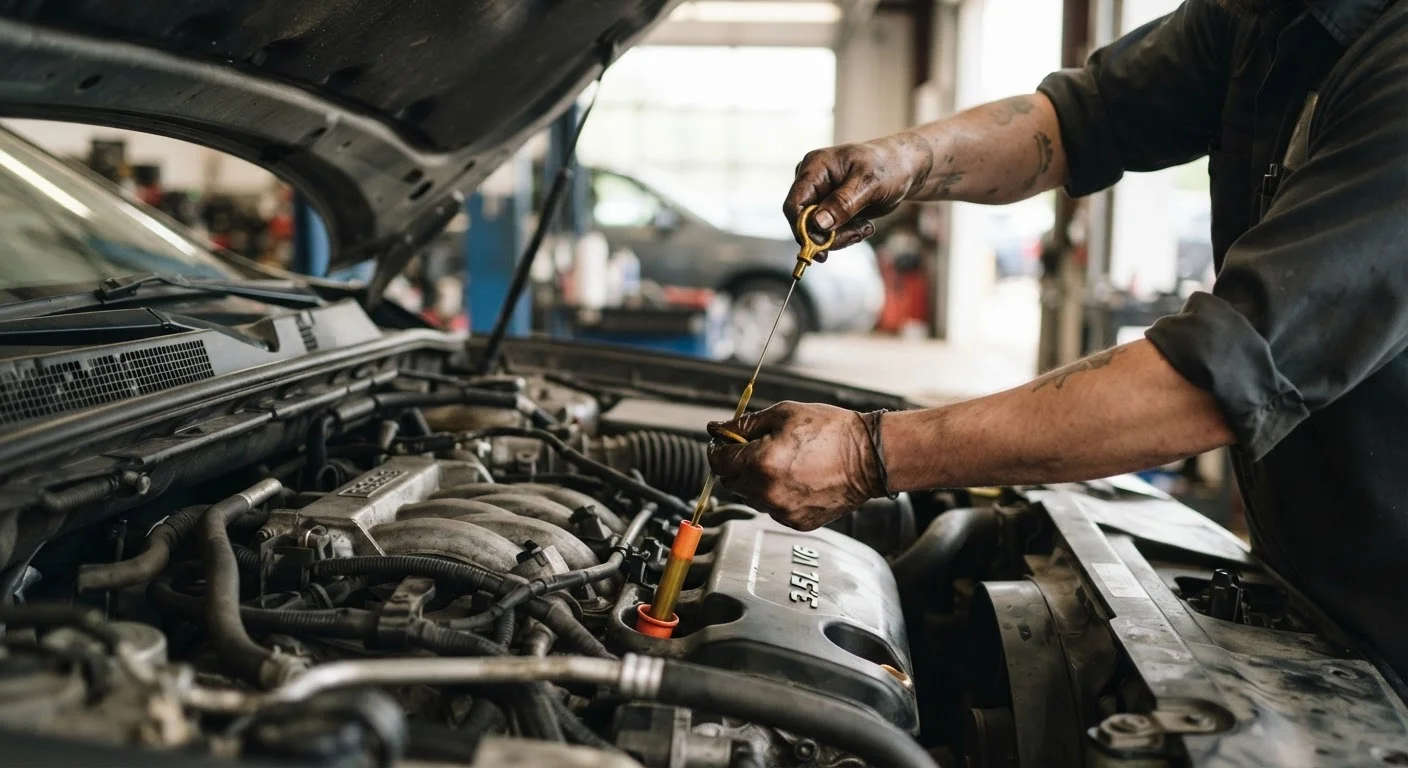
- Is it a routine service on an older vehicle? An independent mechanic is typically a practical, cost-effective choice for oil changes, brake jobs, or services like tire rotation and alignment on vehicles outside their warranty period.
- Is it a brand-specific or highly technical repair? If the job involves proprietary software, advanced driver-assistance systems, or complex transmission electronics, a dealership's specialized tools may be necessary.
If you're buying a used car and want a third-party opinion before committing, see our guide on getting a pre-purchase inspection from an independent mechanic — that's one situation where an independent shop is often the right call by design.
How to Vet Any Shop Before You Commit
The type of shop matters less than its quality. Whether you're considering a dealership or an independent garage, a few basic checks apply:
- Ask whether the technicians working on your vehicle are ASE-certified.
- Check online reviews, but look for patterns rather than individual complaints.
- Get a written estimate before authorizing work, and ask for explanations of anything you don't understand.
- Confirm what kind of parts they use — OEM, dealer-supplied, or aftermarket — and ask about warranties on parts and labor.
A trustworthy shop, regardless of its type, will communicate clearly, not pressure you into unnecessary services, and stand behind its work. If you're navigating other decisions at the dealership, our overview of buying a car covers what to expect across the full purchase process.