
Why an Independent Inspection Is Worth the Cost
A test drive can tell you how a car feels on the road. It won't tell you that the transmission is slipping under load, that a previous owner patched a cracked frame, or that the brake lines are corroding from the inside. These are the kinds of problems that show up in a shop — not in a parking lot walkthrough.
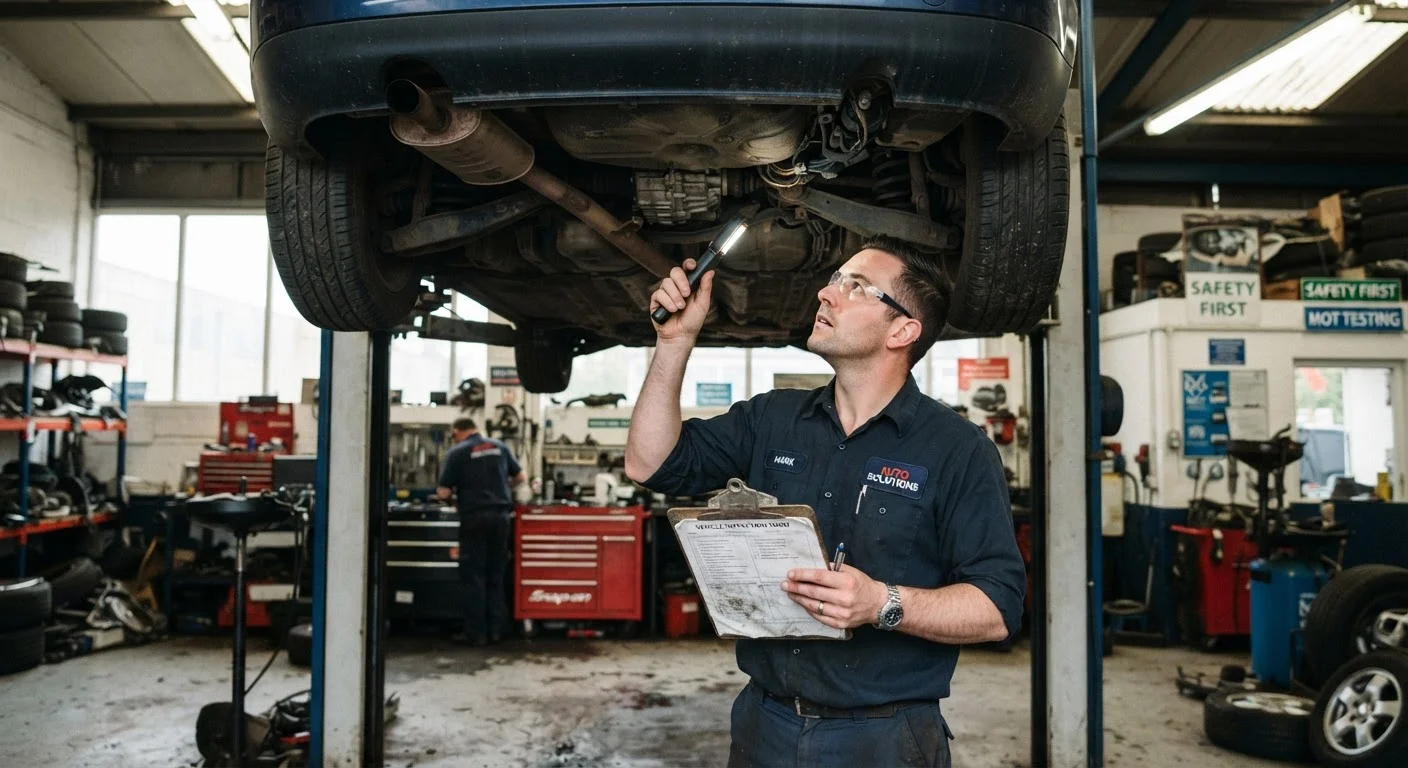
A pre-purchase inspection (PPI) is when you hire an independent mechanic to evaluate a used vehicle before you buy it. The mechanic lifts the car, checks systems you can't easily access, runs diagnostic scans, and gives you an honest, unbiased report. You pay for the inspection — typically somewhere in the range of $100 to $200 depending on your market and the shop — and that cost is entirely separate from the seller.
This is different from a visual inspection you do yourself. Your own pre-buy walkthrough is a valuable first filter, but it has limits. A trained mechanic with the car on a lift and a diagnostic scanner sees things no consumer checklist can catch. Skipping this step is one of the most common and costly mistakes buyers make — particularly first-timers. See what first-time car buyers consistently get wrong for more on that pattern.
If you're considering a certified pre-owned vehicle, keep in mind that manufacturer CPO inspections vary in scope and are performed by the selling dealership — not a neutral third party. It's still worth understanding what CPO programs actually cover before assuming any inspection has already been done on your behalf.
What to Expect During and After the Inspection
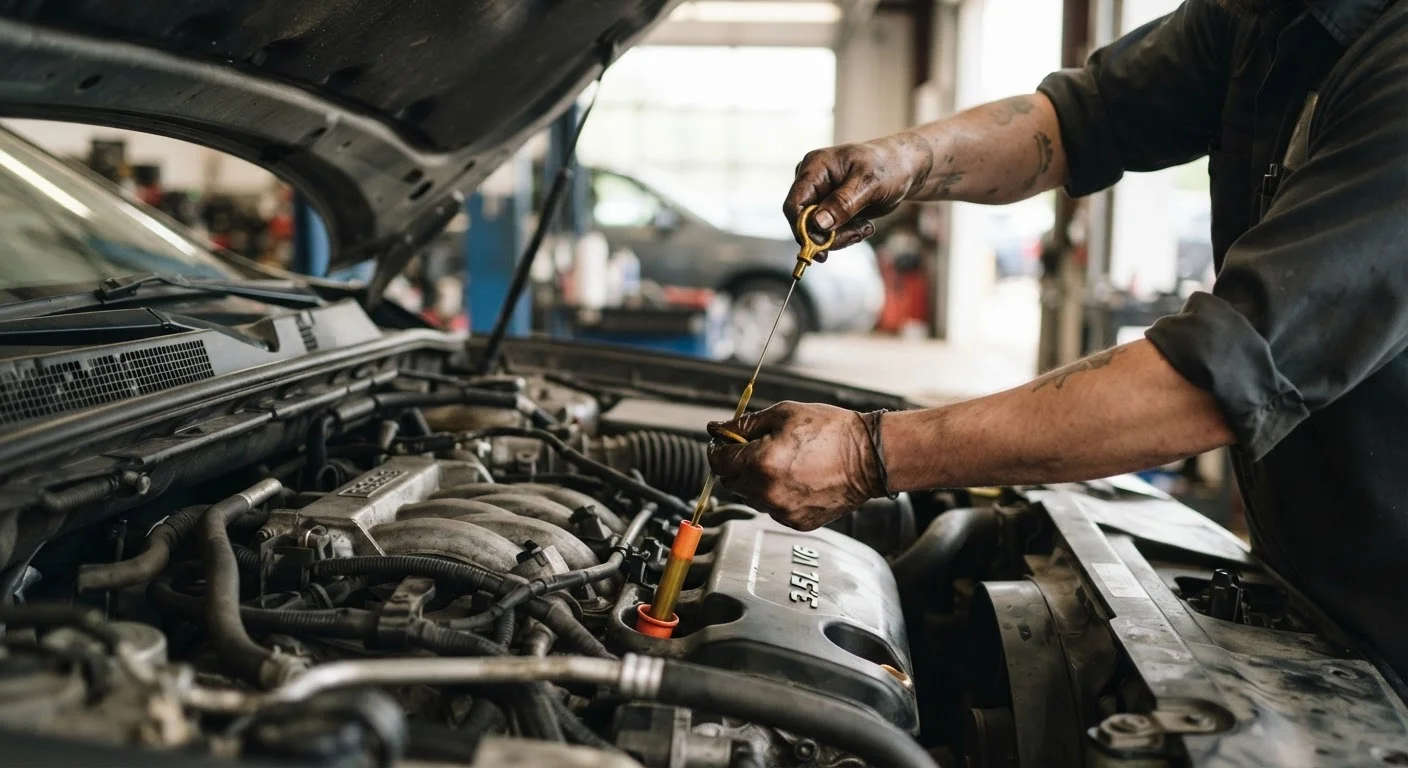
A standard pre-purchase inspection typically takes 60 to 90 minutes. The mechanic will put the car on a lift to examine the undercarriage, check all fluid levels and conditions, inspect belts and hoses, test brakes and suspension components, look for signs of prior body or frame repair, and plug in a diagnostic scanner to check for stored fault codes. Some mechanics will also do a brief road test.
Vehicle History Report
Provides background on the car's title, accident history, and prior owners before the mechanic ever lifts the hood.
Independent Repair Shop or Mechanic
Performs the hands-on inspection — must be unaffiliated with the seller or dealership.
OBD-II Scanner
Used by the mechanic to pull any stored fault codes from the car's onboard diagnostic system.
Written Inspection Report
Documents the mechanic's findings in detail so you have a record to reference during negotiation.
When the inspection is complete, you should receive a written report — or at minimum a verbal walkthrough — covering what was checked and what the mechanic found. Don't just ask "is it good?" Ask the mechanic to rate the severity of each finding: what needs attention now, what can wait, and what is normal wear for a vehicle of this age and mileage.
Never Skip This Step on a Private Sale
Unlike dealerships, private sellers are generally not required to disclose known defects in most states. Once you hand over the money and sign the title on a private sale, you typically own whatever problems come with the car. A pre-purchase inspection is your primary protection against buying someone else's expensive problem.
Take the findings back to the seller with specific repair estimates in hand. A list of legitimate issues is a reasonable basis for negotiating the purchase price down, asking the seller to address repairs before closing, or deciding to walk away. Any of those outcomes can be the right one depending on the specifics. The inspection exists to give you the information to make that call — not to make the decision for you.
For a complete picture of where a PPI fits within the overall buying journey, the full car-buying process guide walks through every stage from initial search to signed title.
Step-by-Step: How to Arrange the Inspection
Find a qualified independent mechanic before you need one
Don't scramble to find a shop after you've already fallen in love with a car. Ask friends or family for referrals, check local reviews, and look for shops certified by the National Institute for Automotive Service Excellence (ASE). Confirm the shop is willing to perform pre-purchase inspections and ask about their fee and turnaround time upfront. See our guide on choosing between a dealership service center and an independent mechanic for what to look for.
Pull a vehicle history report first
Before spending money on an inspection, run the car's VIN through a vehicle history service. This can surface title issues, salvage or flood designations, and prior accidents that might make an inspection unnecessary. If the history report shows serious red flags, it may be worth walking away without spending inspection money at all.
Request the seller's permission to have the car inspected
Contact the seller — whether a private party or a dealership — and let them know you'd like an independent mechanic to inspect the vehicle before you move forward. Frame it as a routine part of your buying process. Most reasonable sellers will agree. If a seller flatly refuses or tries to pressure you into skipping this step, treat that as a significant warning sign and consider looking elsewhere.
Arrange the logistics between the seller and the shop
Coordinate a time when the seller can bring the car to your chosen shop, or — if the seller won't allow the car to leave — ask whether a mobile mechanic can come to the vehicle's location. Confirm the appointment with both parties. Make sure the mechanic knows this is a pre-purchase inspection so they can plan accordingly, including time for a test drive if possible.
Attend the inspection if you can
Being present while the mechanic works gives you the chance to ask questions in real time and see any issues firsthand. You don't need to hover — just let the mechanic work, then walk through findings together. Seeing a worn CV axle boot or a rusted brake line with your own eyes is more meaningful than reading about it on paper.
Review the written report and get repair cost estimates
Ask for a written report covering all systems inspected and their condition. For any problems the mechanic flags, ask for a rough repair cost estimate. This is where the inspection pays off: a list of needed repairs gives you concrete information to either negotiate a lower price, request that the seller fix issues before closing, or walk away entirely. As part of the broader car-buying process, use these findings as part of your overall due diligence — see our full walkthrough at The Car-Buying Process, From First Search to Signed Title.