
What Makes a Car 'Certified Pre-Owned'?
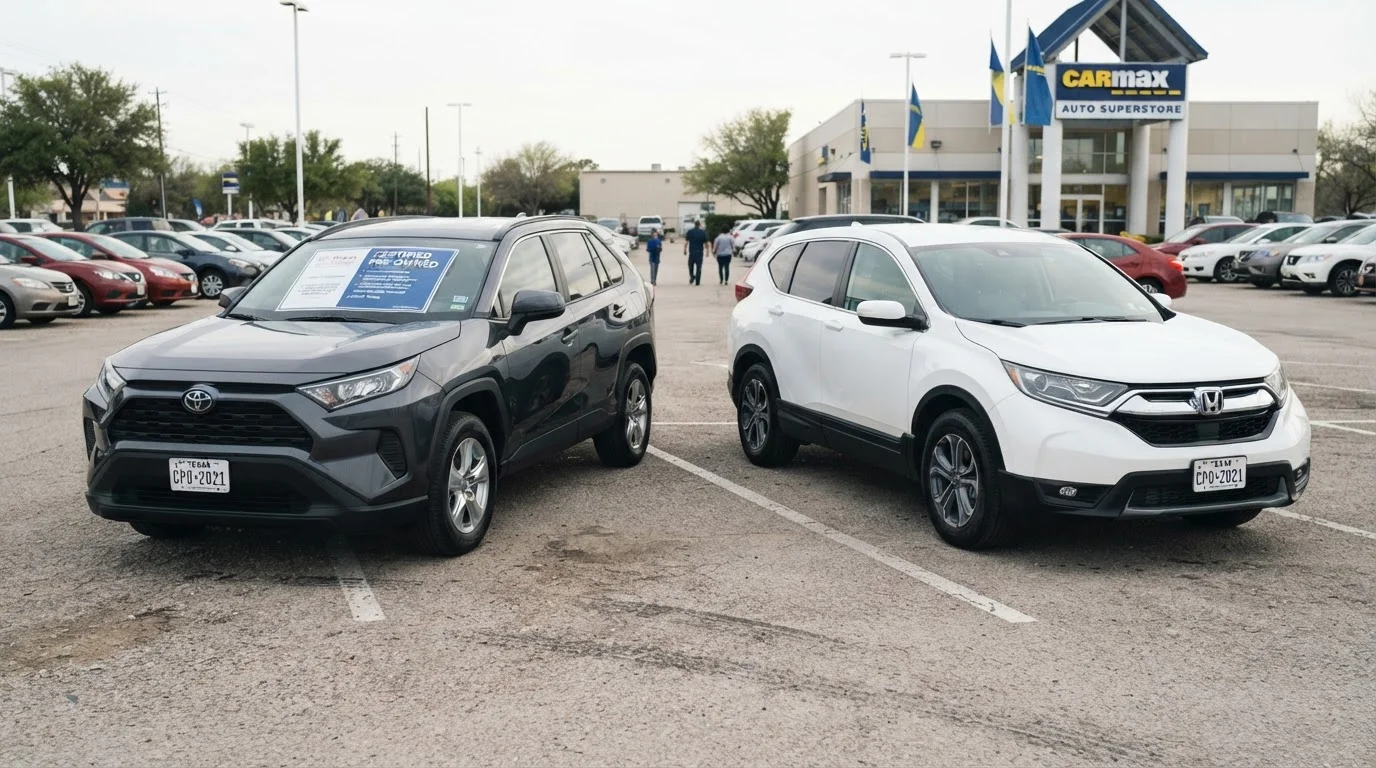
Certified Pre-Owned — commonly called CPO — is a designation applied by franchised dealerships operating under a manufacturer's official program. To qualify, a vehicle must typically meet age and mileage limits (often under five or six years old and below 60,000–80,000 miles, though specifics differ by brand), pass a multi-point inspection, and have a clean title history.
Once those boxes are checked, the vehicle is relabeled as CPO and sold with an extended warranty that supplements or replaces whatever factory coverage remains. That warranty is backed by the manufacturer — not the dealership alone — which matters for consistency and claims handling.
The key word here is program. There is no federal or industry-wide standard that defines exactly what CPO means. One manufacturer's CPO inspection might cover 100+ points; another's might cover 50. Warranty terms vary too — some programs add two years of powertrain coverage, others include more comprehensive bumper-to-bumper protection. Always request the written warranty document before you sign anything.
CPO Programs Are Brand-Specific — Not Universal
There is no single national standard governing what a CPO designation must include. Programs are designed and administered individually by each manufacturer, which means a CPO vehicle from one brand may offer substantially different protections than a CPO vehicle from another. When comparing CPO options across brands, treat each program's warranty and inspection terms as distinct products and compare them directly rather than assuming equivalence.
Standard Used: What You're Actually Getting
A standard used car is any pre-owned vehicle sold without a manufacturer CPO designation. This includes cars sold at independent used-car lots, private sellers, and even franchised dealerships that aren't selling the vehicle under their CPO program. The price is typically lower than a comparable CPO unit — sometimes meaningfully so.
The trade-off is that you're taking on more responsibility for understanding what you're buying. Any remaining factory warranty may or may not transfer depending on the brand and terms. Dealer-applied warranties or "as-is" sales are common, and "as-is" means exactly that: once you drive off the lot, most problems become your problem.
That doesn't make standard used a bad choice — it makes it a higher-effort one. A thorough pre-purchase inspection checklist and a third-party mechanic inspection can surface most mechanical concerns before you commit. The savings on a standard used vehicle can more than cover those costs.
How They Compare Directly
Looking at both options side by side makes the trade-offs clearer. CPO programs add structured protections; standard used gives you more flexibility and a lower price floor.
| Criterion | Certified Pre-Owned | Standard Used |
|---|---|---|
| Price | Higher — premium for certification | Lower — no certification markup |
| Inspection | Mandatory multi-point (program-defined) | None required; buyer's responsibility |
| Warranty | Manufacturer-backed extended coverage | Varies; often as-is or dealer warranty |
| Age/mileage eligibility | Restricted (limits set by manufacturer) | No restrictions |
| Vehicle history check | Typically required by program | Buyer must request independently |
| Where sold | Franchised dealerships only | Dealers, independents, private sellers |
| Consistency of standards | Program-standardized per brand | Highly variable by seller |
One thing both categories share: neither is automatically the right answer. The decision hinges on how long you plan to own the car, how much risk you're comfortable carrying, and whether the CPO premium is proportionate to the coverage it actually provides. Use total cost of ownership thinking — not just sticker price — to frame the comparison.
Questions to Ask Before Paying the CPO Premium
If you're considering a CPO vehicle, don't take the badge at face value. Here are the questions that matter most:
- What exactly does the CPO warranty cover? Powertrain-only coverage is more limited than a comprehensive plan. Get the document and read the exclusions.
- How many years and miles does coverage add? If the factory warranty is nearly expired and the CPO only adds six months, the premium may not be worth it.
- Can I see the inspection report? A legitimate CPO program should produce a written, itemized inspection record. If a dealer can't produce it, be skeptical.
- Is the warranty transferable? If you sell the car before the warranty expires, transferability can affect resale value.
- Are there deductibles? Some CPO warranties carry per-visit deductibles that add up over time.
For context on how warranty limitations work across product categories, the hidden trade-offs of extended warranties apply in automotive settings too — longer coverage terms don't always equal better real-world value.
If you're still weighing used against new, it also helps to understand what the price gap between new and used cars actually reflects — depreciation, financing rates, and warranty differences all factor in.
This article is for general informational purposes only. Vehicle pricing, warranty terms, and CPO program requirements vary by manufacturer and dealership. Always review official program documentation and consult with a qualified professional before making a purchase decision.