
Why the Price Gap Exists
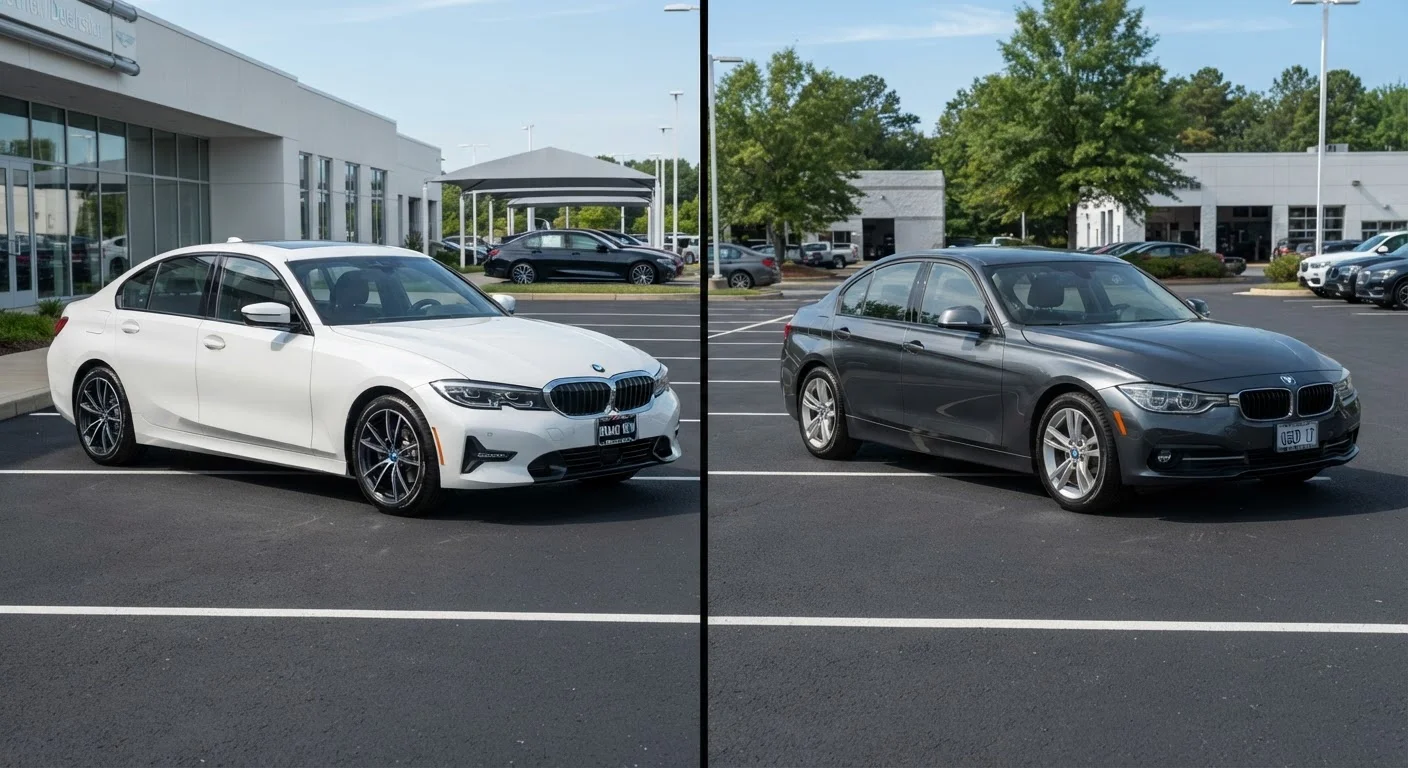
The sticker price difference between a new and used vehicle isn't random — it reflects a layered set of real-world factors that affect what you're actually buying. Understanding those factors makes the comparison far more useful than a simple dollar-to-dollar look at the window price.
The most significant driver is depreciation. New vehicles lose value quickly after purchase — often a substantial portion within the first few years. By the time a vehicle reaches the used market, that initial value decline has already happened. When you buy used, you're essentially acquiring the car after someone else has absorbed that loss. Understanding how depreciation works is foundational to evaluating any vehicle purchase intelligently.
Beyond depreciation, the price gap also reflects demand dynamics, trim availability, and market conditions. A specific new vehicle configuration is predictable and consistent; used inventory is fragmented, making direct comparisons trickier and sometimes misleading.
| Criterion | New Car | Used Car |
|---|---|---|
| Purchase Price | Higher (full market value) | Lower (post-depreciation) |
| Depreciation Exposure | High in first 1–3 years | Lower; steepest drop already happened |
| Warranty Coverage | Full manufacturer warranty | Limited or none (varies by age/mileage) |
| Financing Rate | Generally lower | Generally higher |
| Vehicle History | None — clean slate | Prior owners, maintenance unknown |
| Insurance Cost | Typically higher | Typically lower |
| Safety Technology | Latest available features | Depends on model year |
| Sales Tax & Registration | Based on higher purchase price | Based on lower purchase price |
Warranty, Risk, and What You're Actually Getting
New vehicles come with a manufacturer's warranty that typically covers the powertrain and bumper-to-bumper repairs for a defined period. That warranty is a meaningful financial cushion — it transfers repair risk from you to the manufacturer for the early years of ownership.
Used vehicles may have some remaining factory warranty if they're recent enough and low-mileage, but many don't. That shifts repair risk back to the buyer. This is why pre-purchase inspection matters: a qualified mechanic can identify issues before you're committed. Our used car inspection checklist covers the key areas to review.
The risk isn't just mechanical. A used car has a history — prior owners, possible accidents, varying maintenance habits. A vehicle history report (using a VIN-based service) is a standard step, but it doesn't capture everything. Undisclosed issues are a real possibility, which is part of what the lower price compensates for.
Financing Rates and the True Monthly Cost
One factor buyers often overlook: interest rates on used car loans are typically higher than on new car loans. Lenders view used vehicles as higher collateral risk — they're harder to value precisely and depreciate less predictably. That rate difference can meaningfully narrow the monthly payment gap between new and used, even when the purchase price is lower.
Manufacturer-subsidized financing on new vehicles can push rates lower still — sometimes dramatically so — making the real financing cost more competitive than the sticker price alone suggests.
Sales tax and registration fees also tend to be lower on used vehicles in most states, since both are typically calculated on purchase price. And insurance premiums are generally lower on older, lower-value vehicles, though coverage choices also factor in.
None of this means new is cheaper than used — it rarely is on a total-cost basis. But the gap is almost always narrower than the purchase price difference suggests. Running a full total cost of ownership comparison across your specific options is the most reliable way to see the real picture.
Making the Decision That Fits Your Situation
There is no universally correct answer. The right choice depends on your budget, how long you plan to keep the vehicle, how much maintenance uncertainty you're comfortable with, and what features matter to you.
A new car offers a clean slate — known history, current safety technology, and manufacturer support. A used car offers a lower entry cost and reduced depreciation exposure. A certified pre-owned vehicle can be a meaningful middle ground, though CPO programs vary widely; our CPO vs. standard used guide explains what those programs typically do and don't cover.
Whatever direction you go, understanding what drives the price gap — rather than reacting to the number alone — puts you in a much stronger position. And once you've narrowed your options, knowing how dealership negotiations actually work can help you make the most of the conversation.