
Why First-Time Buyers Keep Making the Same Mistakes
Buying your first car is one of the largest financial decisions most people make in their twenties — and it usually happens without much preparation. Dealerships are designed for efficiency on their end, not yours. The result is that well-intentioned buyers consistently leave money on the table, inherit hidden problems, or lock themselves into loan terms they don't fully understand.
Most of these mistakes aren't about intelligence — they're about information gaps. The myths that surround car buying don't help either, often steering buyers toward decisions that sound reasonable but aren't. The good news: every mistake listed here is entirely avoidable with a little preparation.
Monthly Payment Is Not the Full Picture
Dealers can stretch a loan term to lower your monthly payment while dramatically increasing what you pay overall. A longer loan at a higher interest rate can cost thousands more than a shorter loan, even if the monthly number looks manageable. Always calculate the total amount paid over the life of the loan before agreeing to any financing terms.
The Mistakes — and How to Avoid Them
These are the errors that cost first-time buyers the most — financially and in frustration. They're common enough that dealers and sellers have come to rely on them.
Fixating on the monthly payment rather than the total loan cost.
Why it happens: Monthly payments feel relatable and manageable, so buyers naturally anchor to that number rather than doing the math on the full loan.
Skipping financing research before walking into a dealership.
Why it happens: Many first-time buyers assume the dealer will find them the best rate, or they feel unsure about approaching banks or credit unions independently.
Ignoring the total cost of ownership beyond the purchase price.
Why it happens: The sticker price is front and center; costs like insurance, fuel, registration, and maintenance are easy to underestimate or overlook entirely.
Skipping a pre-purchase inspection on a used vehicle.
Why it happens: Buyers feel awkward asking, assume a clean vehicle history report is sufficient, or don't want to slow the process down.
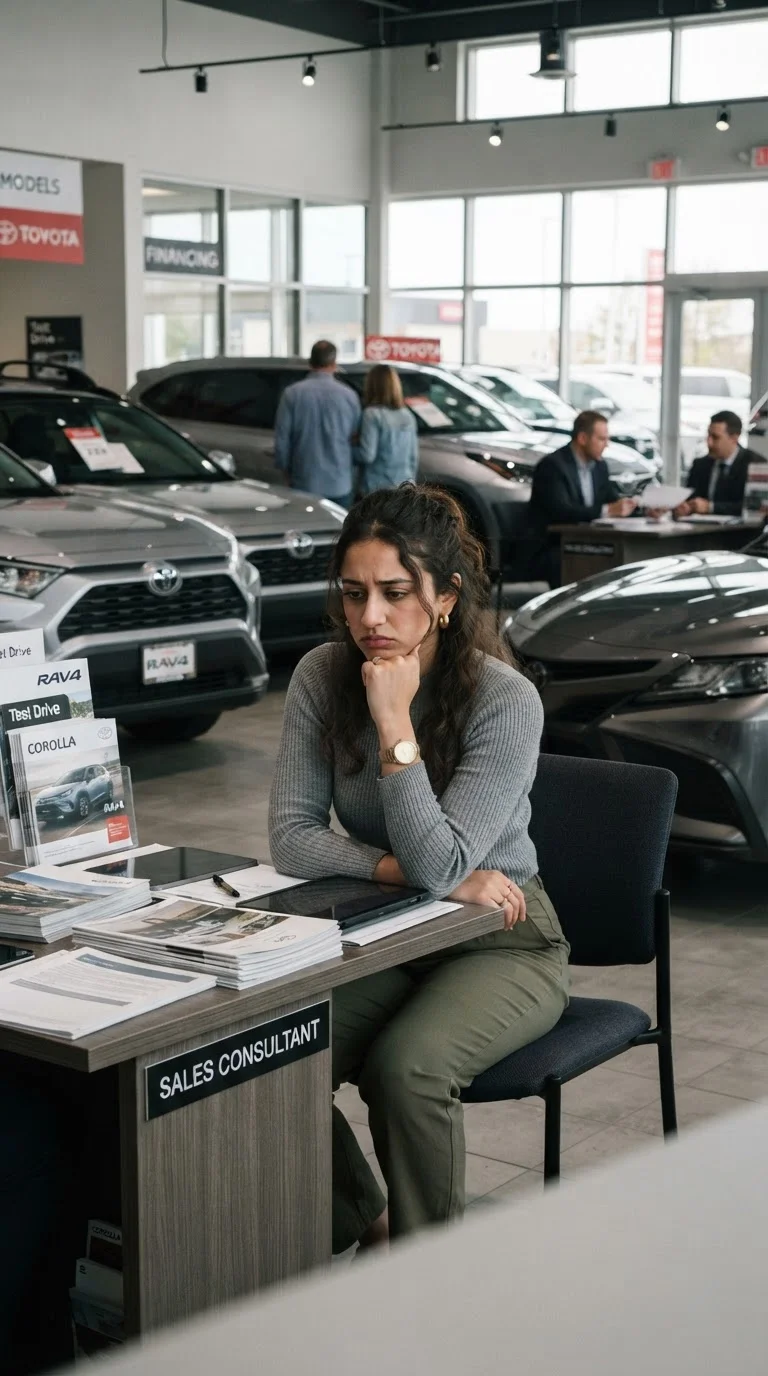
Making decisions under artificial time pressure.
Why it happens: Salespeople are trained to create urgency. First-time buyers, already anxious, often interpret that pressure as a real deadline.
Treating the car search as starting and ending at the dealership.
Why it happens: Many buyers haven't done enough research beforehand and arrive without a clear sense of what they actually need or what fair pricing looks like.
Don't Skip the Pre-Purchase Inspection
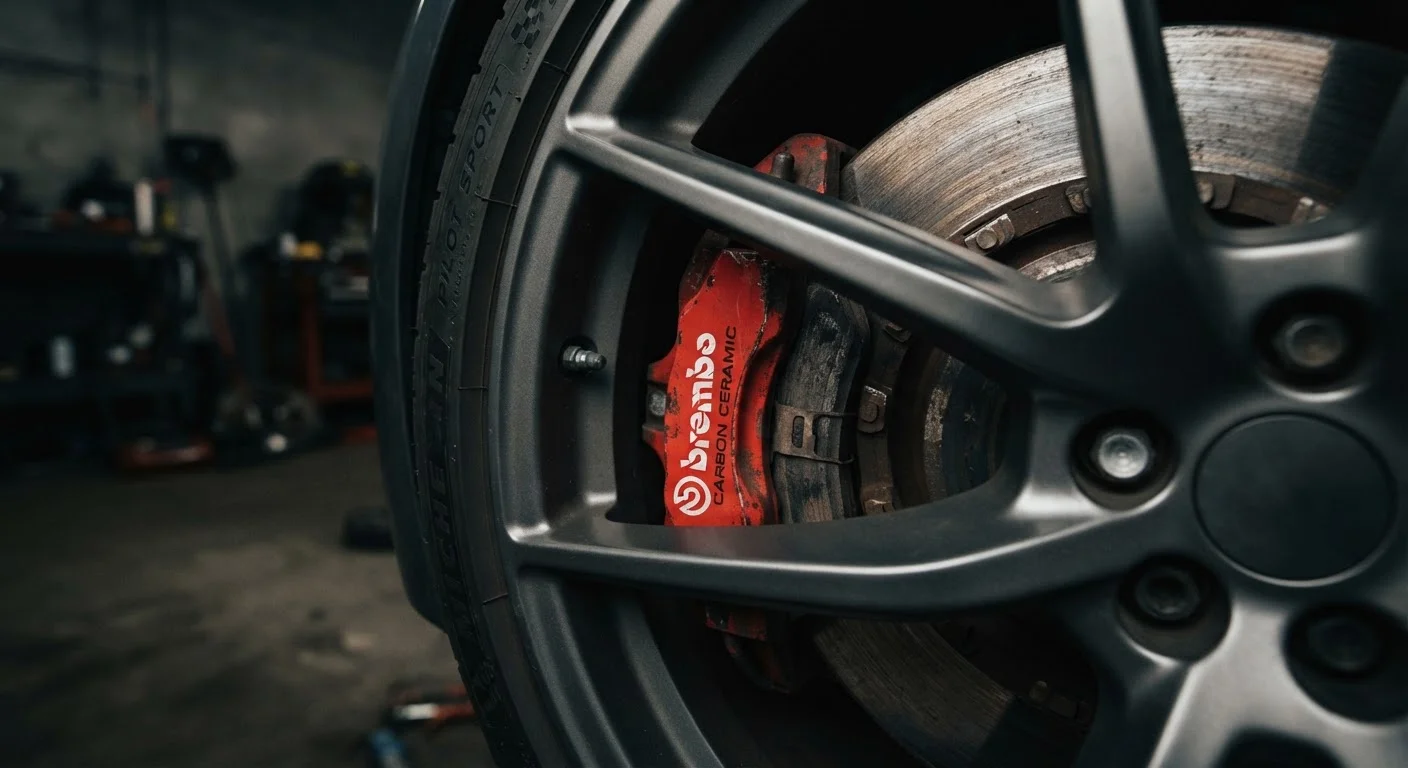
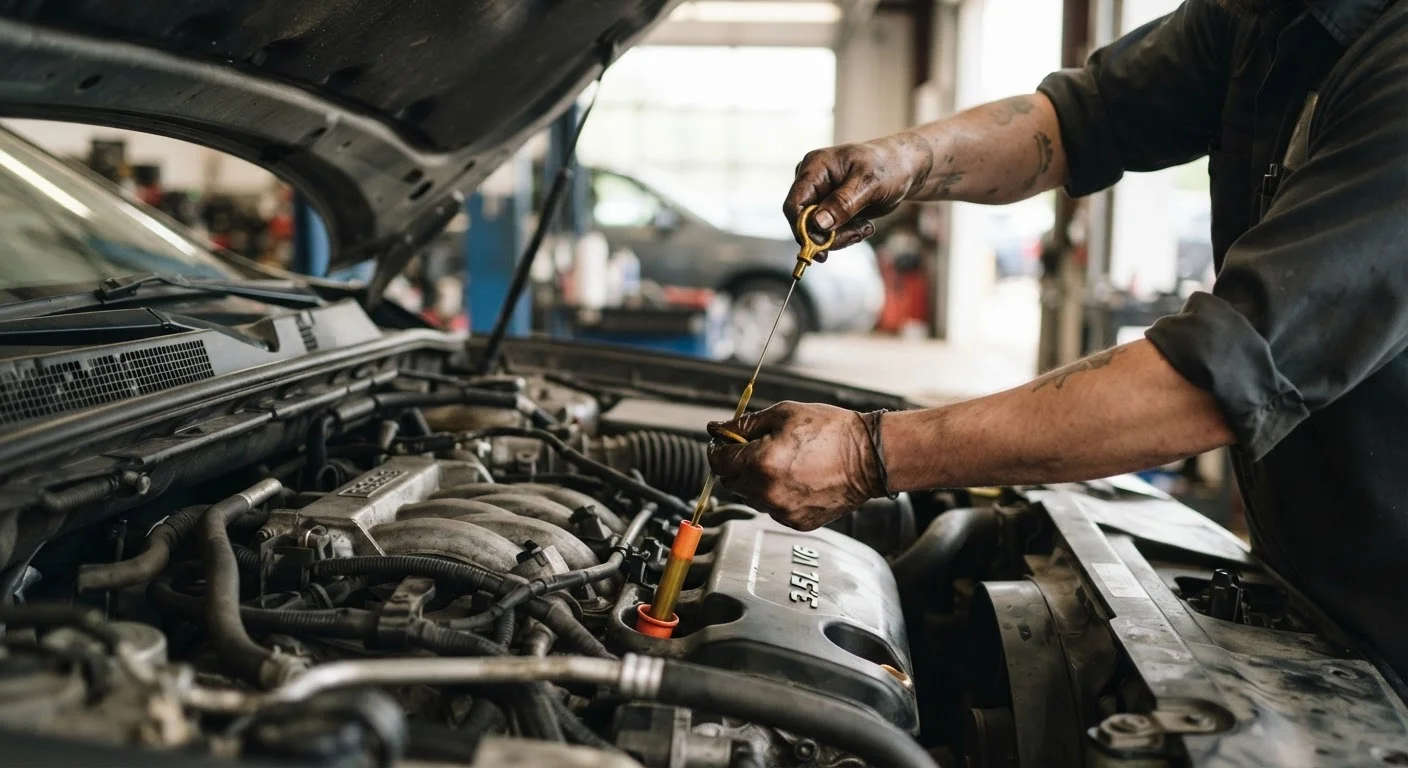
On used vehicles, a pre-purchase inspection by an independent mechanic is one of the most important steps buyers routinely skip. Hidden mechanical problems — worn brakes, transmission issues, rust damage — won't show up in a test drive. The cost of an inspection is typically modest compared to repair bills that can surface within weeks of purchase.
Once you've made the purchase, ownership costs take over. Our car maintenance guide for new drivers covers what to expect in the weeks and months after you drive off the lot — from oil changes to tire pressure to knowing when a mechanic is necessary. Being informed before you buy, and staying informed afterward, is the clearest path to a vehicle that actually serves you well.
For a full breakdown of how every stage works — research, financing, negotiation, and paperwork — see our end-to-end car-buying walkthrough before you start shopping.