
Why the DIY Decision Matters More Than You Think
Taking on a home improvement project yourself can feel empowering — and for many tasks, it genuinely is. But the decision to DIY isn't just about saving money. It's about matching the right level of skill, tools, and knowledge to the specific demands of the job. A misjudged project doesn't just cost more to fix; in some cases it can create safety hazards, void homeowner's insurance, or cause complications at resale.
Understanding which projects belong on your weekend list — and which ones don't — is one of the most practical skills a homeowner can develop. This guide draws a clear line between the two, so you can take on improvements with confidence rather than guesswork.
Before starting any improvement, it's worth understanding what permits actually cover and when you need one — because some projects that seem minor still carry local regulatory requirements.
Projects Most Homeowners Can Safely Tackle
A wide range of improvements fall comfortably within the DIY category — provided you take time to research the task, gather the right materials, and work carefully. These are generally cosmetic or maintenance-focused projects with low risk of structural or safety impact.
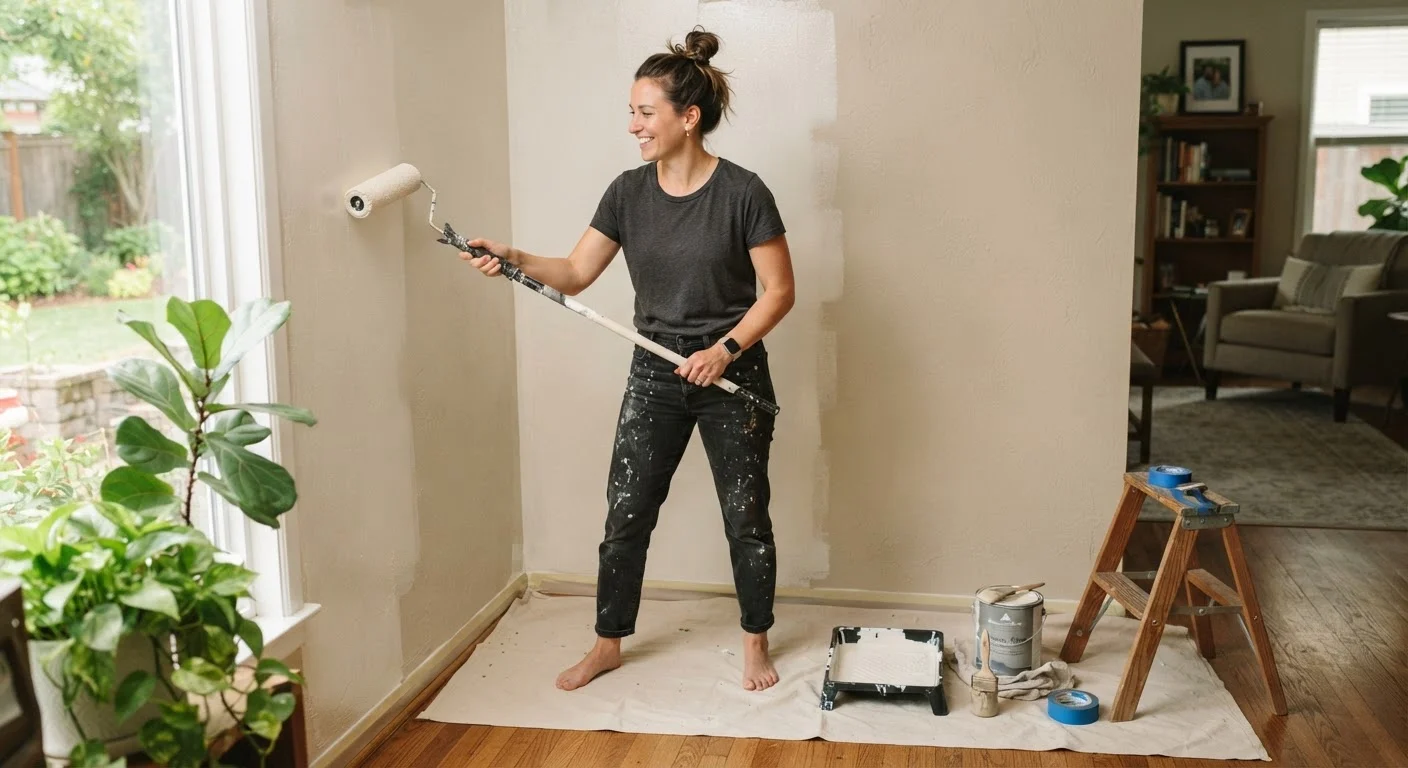
- Interior painting: Prep work (patching, sanding, priming) is just as important as the paint itself. Done correctly, this is one of the highest-value DIY improvements available.
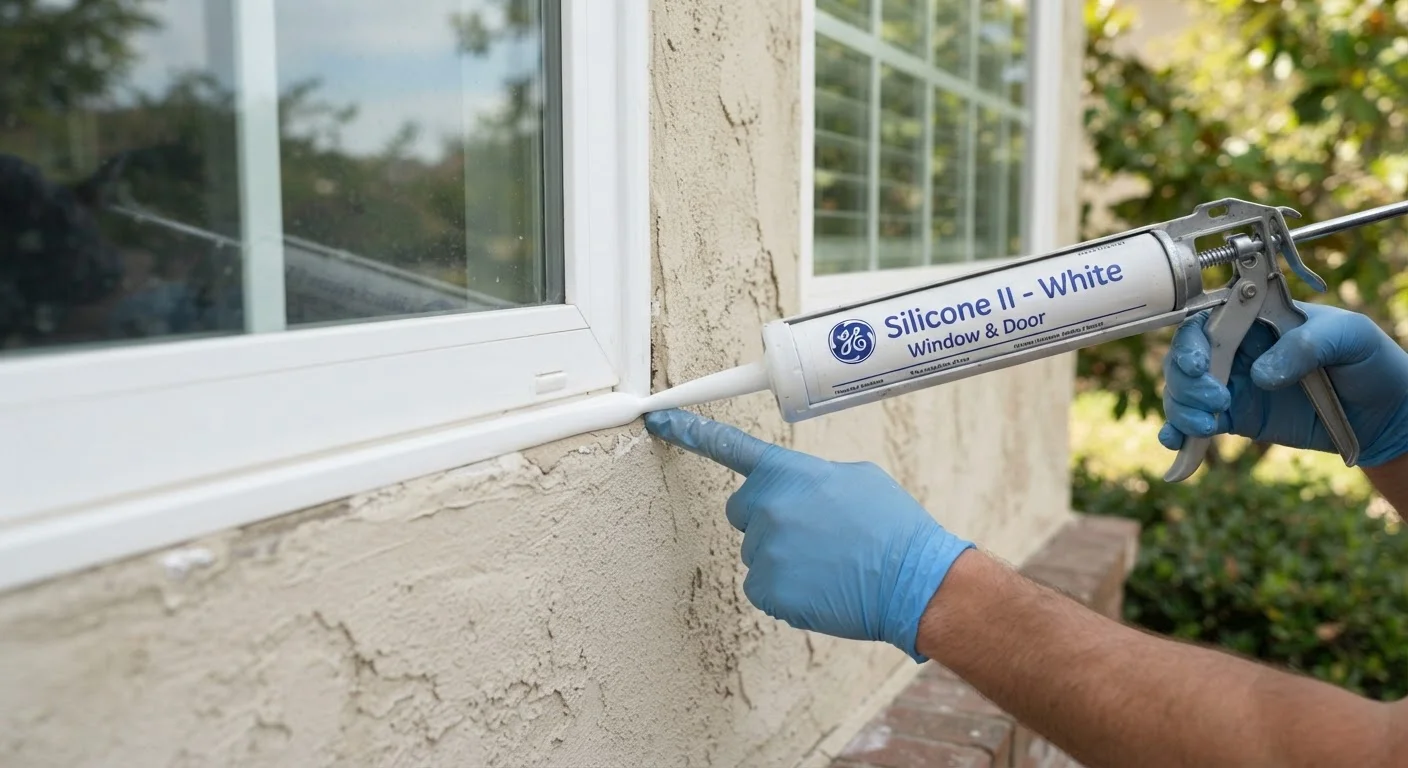
- Caulking and weatherstripping: Sealing gaps around windows and doors improves energy efficiency and is straightforward with basic tools.
- Basic landscaping and garden beds: Planting, mulching, edging, and lawn care involve no structural risk. See our curb appeal upgrade ideas for inspiration on exterior improvements that make a real difference.
- Tile installation in low-risk areas: Backsplashes and floor tiles in non-load-bearing areas are manageable with patience and the right adhesive.
- Fixture swaps: Replacing faucets, showerheads, light fixtures (with the circuit breaker off), or cabinet hardware is typically low-risk with clear instructions.
Significant cost savings on labor
Labor typically represents 50% or more of a contractor's quote for common projects. Handling eligible work yourself can meaningfully reduce total project cost.
Builds practical homeownership skills
Completing projects firsthand gives you a working knowledge of your home's systems and materials, making future maintenance easier and less intimidating.
Scheduling flexibility and personal control
DIY projects move on your timeline. You choose the materials, the finish, and the pace — without coordinating around contractor availability.
High satisfaction from tangible results
Completing a visible improvement to your own home carries a sense of accomplishment that hired work doesn't replicate.
Low-risk projects are genuinely accessible
A wide range of cosmetic and maintenance tasks — painting, caulking, landscaping, fixture swaps — require modest skill levels and carry limited downside risk.
These projects reward preparation. Use proven project management practices to stay on budget and timeline — even small jobs can overrun without a clear plan.
Projects That Require a Licensed Professional
Some improvements may look approachable on a tutorial video but carry serious consequences when done incorrectly. Work involving electrical systems, gas lines, load-bearing walls, roofing, or plumbing connections to the main supply typically requires licensed tradespeople — and in most U.S. jurisdictions, permits and inspections as well.
Mistakes in complex work are costly to fix
Errors in plumbing, electrical, or structural work can require professional remediation that costs far more than hiring a pro from the start.
Hazardous work carries real safety risk
Electrical faults, gas leaks, and structural failures can cause injury, fire, or worse. These risks are not theoretical — they result from work done outside of professional standards.
Unpermitted work creates legal and financial problems
Work done without required permits can complicate home sales, void insurance claims, and require expensive tear-out and redo when the issue surfaces.
Tool and material costs erode savings
Specialty tools, wasted materials from learning mistakes, and multiple supply runs can narrow the cost gap between DIY and hiring a professional.
Time investment is often underestimated
First-time projects almost always take longer than expected. A weekend project can stretch into weeks, particularly when complications arise mid-task.
Quality gap can affect home value
Visible workmanship issues in finished surfaces or improperly installed fixtures can detract from a home's appeal and may need to be redone before sale.
Attempting regulated work without proper licensing can result in failed inspections, insurance denial after a claim, and costly remediation before selling your home. When in doubt, consult a qualified contractor before starting.
If you're ready to bring in a professional, these questions to ask before hiring a contractor will help you vet candidates on licensing, insurance, and payment terms before you commit.
How to Honestly Assess Your Own Skill Level
The gap between watching a how-to video and successfully completing a project is real. Before committing to a DIY project, consider these factors:
- Have you done anything similar before? Related experience matters more than general confidence.
- Do you have the right tools — not just approximate ones? Improvised tools increase both risk and poor results.
- What's the cost of a mistake? A bad paint job is fixable. A leaking drain connection or an improperly wired outlet is not.
- Does the project require a permit? If yes, consider whether the inspection process is something you're prepared to navigate.
When in Doubt, Get an Opinion First
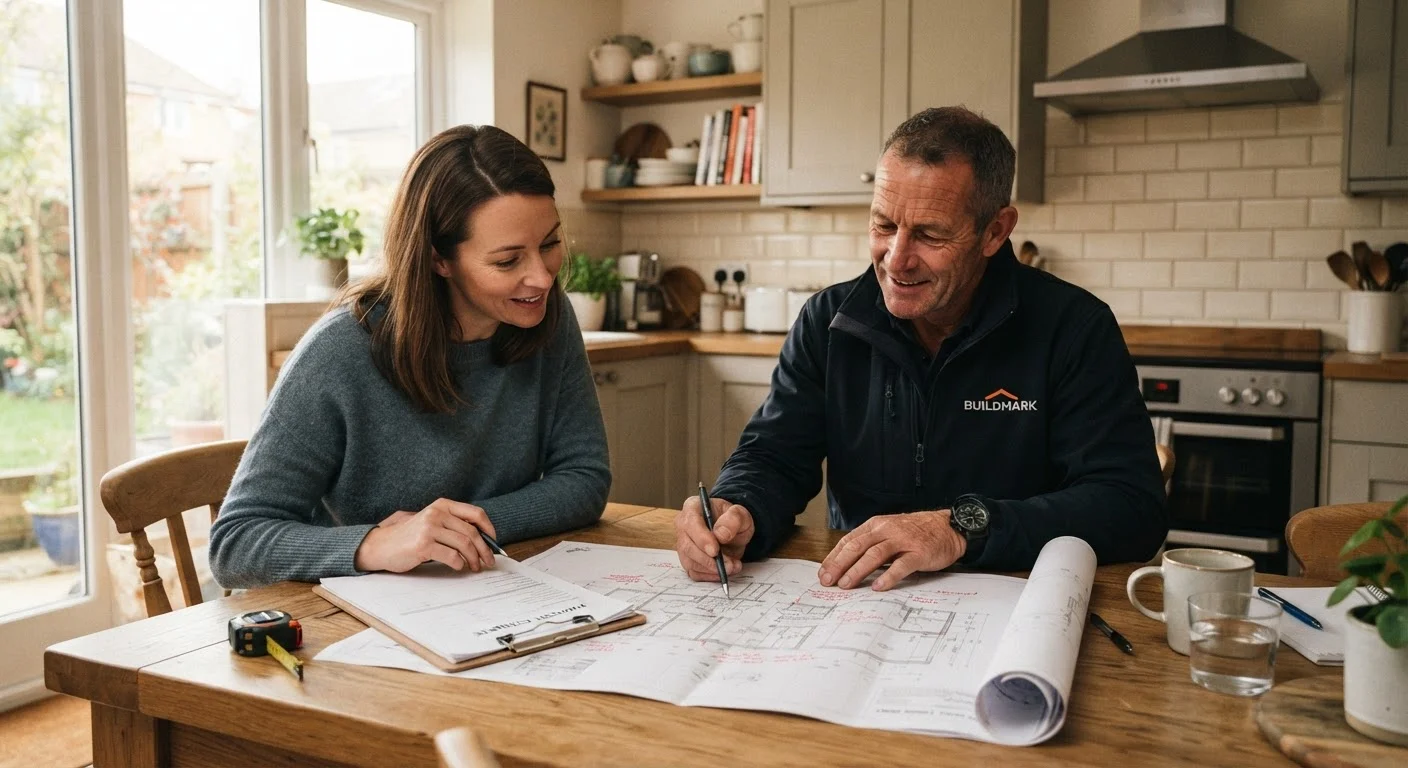
Many licensed contractors will do a brief walkthrough or phone consultation before providing a formal quote. This costs nothing and can tell you quickly whether a project is within DIY reach or involves complications you haven't accounted for. Even if you plan to proceed yourself, a professional's assessment of scope and risk is worth the conversation.
Approaching DIY honestly — neither overconfidently nor fearfully — is the mindset that produces the best outcomes. The goal isn't to do everything yourself; it's to know what you can do well.