
Why Curb Appeal Is Worth Getting Right
The exterior of a home sets expectations before anyone steps inside. Whether you're planning to sell, refinance, or simply take pride in where you live, how a home reads from the street matters more than most people realize — and less renovation than you'd think is required to shift that impression significantly.
The trap many homeowners fall into is overbuilding: adding elaborate hardscaping, expensive stone cladding, or large additions that don't fit the scale of the neighborhood. Bigger isn't always better. A modest, well-maintained exterior often outperforms a flashy one. For a broader look at where exterior investments actually go furthest, see our breakdown of interior vs. exterior renovation returns.
The upgrades below are practical, appropriately scaled, and chosen because they genuinely change how a home is perceived — not because they're dramatic or expensive.
Repaint or Refinish the Front Door
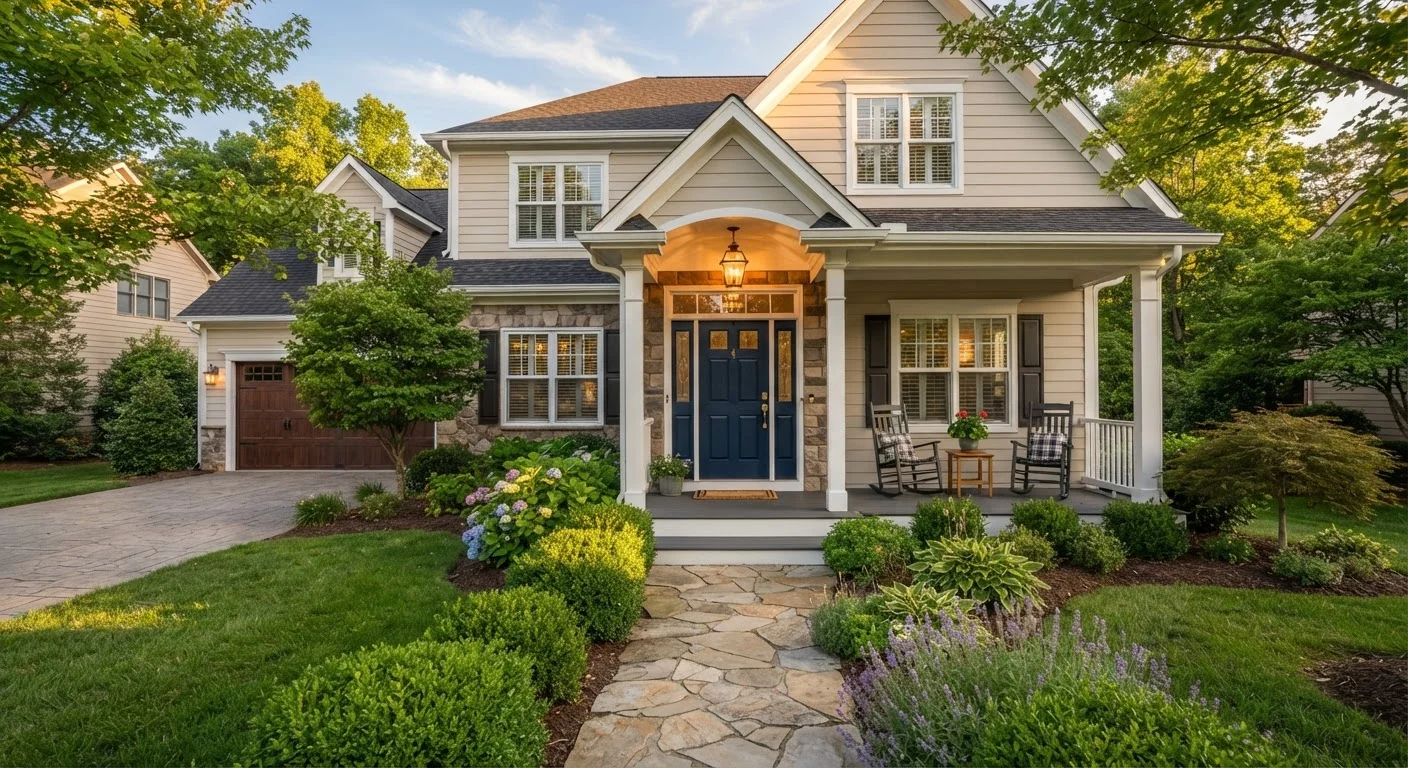
The front door is the visual anchor of any facade. A fresh coat of paint in a color that contrasts thoughtfully with the siding — deep navy, forest green, classic black, or warm red — immediately signals care and intention. This is one of the highest-impact-per-dollar upgrades available.
If the door is wood, check for cracks or swelling before painting and sand lightly for adhesion. For metal doors, a rust-inhibiting primer matters. The hardware — knob, deadbolt, knocker, house numbers — should be cleaned or replaced to match the new look. Mismatched or tarnished hardware undercuts even a perfect paint job.
A freshly painted front door with matching hardware signals care before anyone rings the bell.
Address the Driveway and Walkway Surfaces
Cracked, stained, or uneven hardscaping is one of the first things visitors notice — often unconsciously. Concrete driveways and walkways can be pressure-washed and treated with a concrete resurfacer to cover surface cracks without full replacement. Asphalt driveways benefit from crack filler and a fresh seal coat applied every few years.
For walkways specifically, edging matters as much as the surface itself. A cleanly defined border between a path and adjacent lawn or planting beds makes everything look more intentional. If you're replacing sections, consider whether the material matches the home's architectural character — poured concrete, pavers, and flagstone each communicate a different aesthetic.
Pressure-washing and edging a walkway costs very little but reframes the entire approach to your home.
Upgrade or Restore Exterior Lighting
Lighting does two things: it improves safety and it shapes how the home looks after dark. Many homes have outdated or undersized fixtures that are neither functional nor attractive. Replacing porch sconces with fixtures proportional to the entry height makes an immediate visual upgrade — and it's typically a DIY-accessible project if an existing junction box is already in place.
Beyond the porch, consider low-voltage path lights along walkways and uplighting on significant trees or architectural features. These don't require complex wiring and can be solar-powered for simpler installation. The goal is to highlight what's already appealing about the exterior, not flood the yard with light. The principles of layering light sources — explored more in this guide to interior and exterior lighting design — apply outdoors just as effectively.
Note: Any work involving new electrical circuits, panel connections, or hardwired fixtures beyond existing junction boxes should be handled by a licensed electrician.
Proportional porch fixtures and low-voltage path lights reshape how a home reads after sunset.
Edit and Define the Landscaping
Overgrown landscaping is one of the most common curb appeal problems — and one of the easiest to fix without spending much. Pruning shrubs away from windows and the roofline, removing dead plants, and pulling weeds from beds immediately clarifies the home's lines and lets the architecture show.
Rather than planting more, focus on defining what's already there. Edging garden beds with a half-moon edger or spade creates a sharp visual boundary. A fresh layer of mulch (2–3 inches deep) in planting beds suppresses weeds, retains moisture, and makes plantings look intentional. For seasonal color, a few well-chosen annuals in matching containers near the entry provide impact without permanent commitment. The complete yard and garden care guide covers seasonal maintenance in much more depth if you're building a longer-term care plan.
Editing out overgrowth and refreshing mulch often does more than planting something new.
Clean and Refresh Exterior Trim and Siding
Before considering a full repaint, run a pressure washer or soft-wash system along siding, trim, soffits, and fascia. Accumulated dirt, mildew, and oxidation can make a home look decades older than it is — and washing often reveals the original color is still in good condition underneath.
If paint is peeling or chalking, spot-prime and repaint affected areas rather than repainting the whole house unless necessary. When full repainting is warranted, stick with colors that are consistent with the neighborhood's character — not to be generic, but because dramatic departures rarely improve resale value and can draw unwanted HOA attention. Check whether your local municipality or HOA has color guidelines before committing.
A thorough exterior wash frequently reveals siding and trim that doesn't need repainting at all.
Add or Refresh the Mailbox and House Numbers
These small elements are often ignored but are highly visible from the street. A rusted, leaning mailbox or sun-faded house numbers communicate neglect in a way that's disproportionate to how simple they are to address. Replacing the mailbox with one that suits the home's style — modern, traditional, craftsman — and installing clearly readable house numbers in a finish that complements the door hardware ties together details that visitors and passersby register without consciously noticing.
House numbers should be large enough to read from the curb and from a passing vehicle — this matters for deliveries and emergency services, not just aesthetics.
Updated house numbers and a matching mailbox unify the exterior's details in a way that reads as intentional.
How to Approach These Projects Without Overdoing It
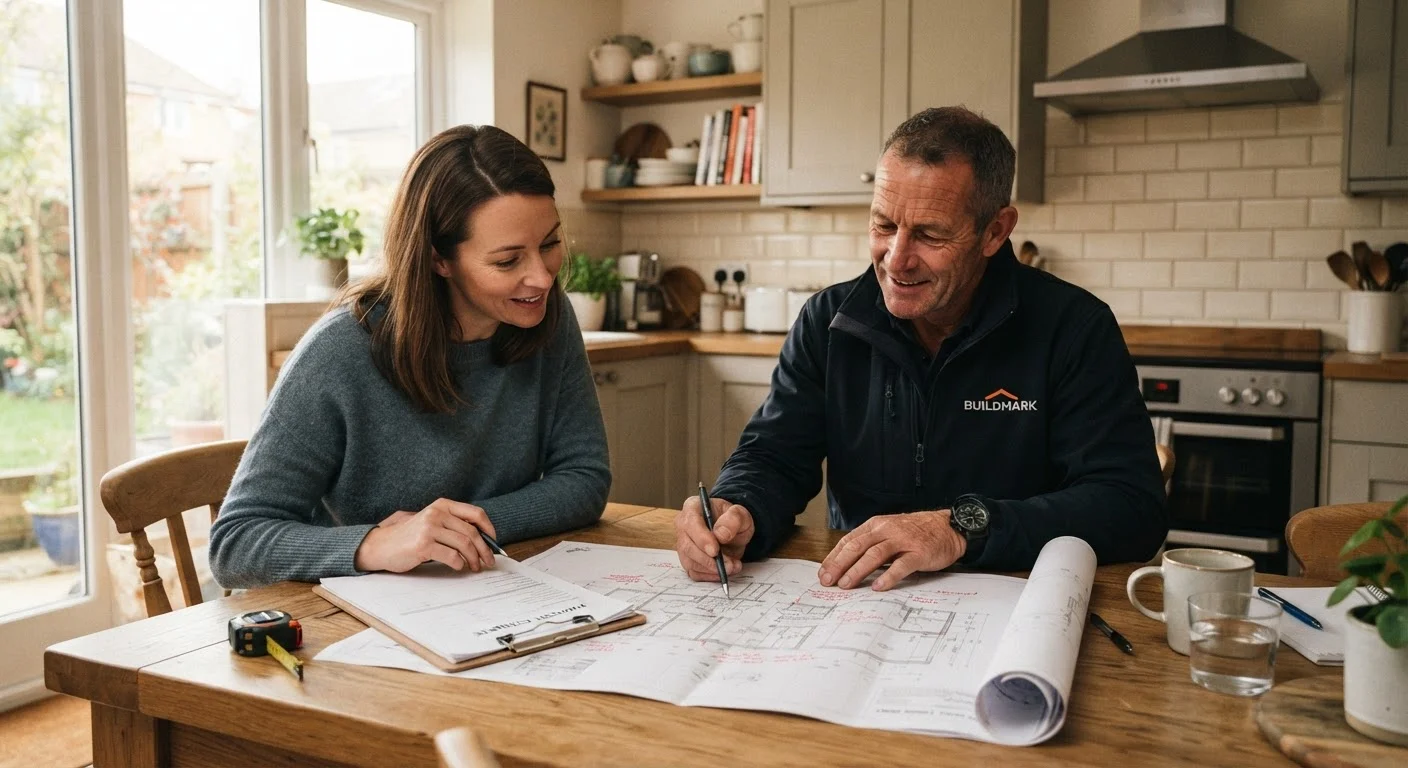
Before starting any exterior upgrade, photograph your home from the street. This honest vantage point reveals what actually needs attention versus what only feels urgent up close. Peeling paint on the trim, a cracked pathway, or overgrown shrubs blocking windows will show up clearly in a photo — and so will what's already working.
Start With What You Can See From the Curb
Stand at the edge of your property and take a photo of the home. Review it critically — not as a homeowner, but as someone seeing it for the first time. The photograph compresses distance and often makes problem areas more obvious: peeling paint, a lopsided shrub, or a cracked step stand out more clearly than they do when you're walking past them daily. Use that photo as your upgrade checklist before spending a dollar.
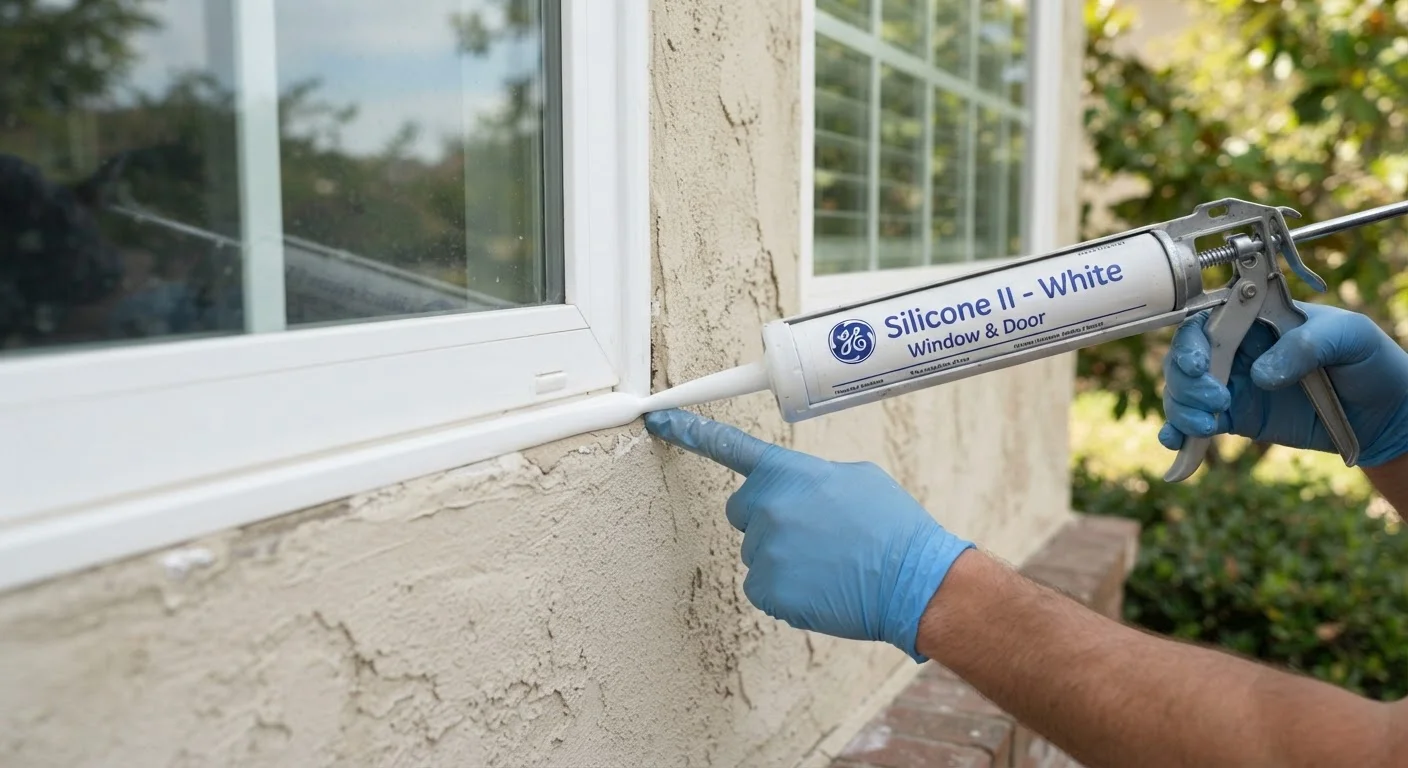
A good rule of thumb: spend on maintenance and surface improvements before spending on additions. Sealing, painting, planting, and lighting consistently outperform structural add-ons for the money invested. If you're working on gaps or cracks around windows and doors as part of your prep, caulking is one of the most underrated exterior maintenance tasks worth understanding fully. And if you're newer to managing home projects generally, this primer for first-time homeowners offers useful context for prioritizing what to tackle first.