

Think Needs Before Wants: How to Prioritize Projects
One of the most common mistakes first-time homeowners make is jumping straight to the fun stuff — fresh paint, new countertops, a backyard patio — while ignoring quieter but more urgent problems lurking behind the walls, under the floors, or on the roof. Cosmetic improvements feel rewarding immediately, but they don't protect your home's structure or your family's safety.
A practical prioritization framework works in three tiers:
- Safety and structural integrity first. Roof damage, moisture intrusion, failing electrical systems, and foundation issues must come before anything else. These problems compound quickly and get significantly more expensive if delayed.
- Systems that affect daily livability. HVAC, plumbing, and water heater condition belong here. A failing furnace in January is not optional.
- Cosmetic and elective upgrades. Once the above are stable, you have a solid foundation — literally and financially — to improve how your home looks and feels.
If you're uncertain which category a problem falls into, a licensed home inspector can provide an independent assessment. Many inspectors offer post-purchase walk-throughs specifically for new owners. For more on managing the financial side of these decisions, see our household budgeting guide to build a spending plan that accounts for home expenses.
Don't Skip the Home Inspection Report
If you received a home inspection report when purchasing your home, treat it as your starting punch list. Every flagged item — even those marked 'monitor' — deserves attention. Issues noted as minor at purchase can become major if left unaddressed for a year or more. Review the report with fresh eyes and address anything safety-related within your first year of ownership.
Understanding Contractor Quotes and Contracts
Reading a contractor quote for the first time can feel like decoding a foreign language. A few key concepts make it manageable.
Scope of work
A written description of exactly what a contractor will do, including tasks, materials, and any exclusions. It sets the boundaries of the project.
Change order
A formal written amendment to the original contract that documents any additions, removals, or changes to the project scope and adjusts cost and timeline accordingly.
Lien waiver
A document signed by a contractor or supplier confirming they've been paid and give up their right to file a lien against your property for that payment.
Contingency budget
A reserved portion of your renovation budget — typically 10–20% — set aside to cover unexpected costs that arise during the project.
Building permit
Official approval from your local government required before starting certain types of construction or renovation work, confirming the project will meet safety codes.
General contractor
A licensed professional who manages the overall construction project, coordinates subcontractors (electricians, plumbers, etc.), and is responsible for delivering the finished work.
When soliciting quotes, always get at least three — not to simply pick the lowest number, but to understand the range of approaches and materials being proposed. A significant outlier (very high or very low) usually signals something worth questioning.
A written contract should spell out: the full scope of work, the materials to be used (including grades and brands where relevant), the payment schedule, the projected timeline with milestones, and how change orders — modifications to the original scope — will be handled and priced. Avoid contractors who request full payment upfront; a reasonable deposit followed by milestone-based payments is the standard practice.
Before you sign anything, our article on questions to ask a contractor covers licensing verification, insurance requirements, subcontractor use, and payment terms in detail.
What You Can DIY — and What You Shouldn't
The appeal of doing it yourself is real: you save on labor costs and gain a sense of ownership over your home. But not every project belongs on a weekend to-do list, and misjudging which projects are DIY-appropriate can create safety hazards, code violations, or damage that costs more to fix than a professional would have charged originally.
Generally DIY-friendly tasks:
- Interior and exterior painting
- Installing or replacing hardware (cabinet pulls, door handles)
- Basic faucet replacements (after shutting off water supply)
- Light fixture swaps (after turning off the circuit breaker)
- Patching drywall holes
- Minor landscaping and garden work
Tasks that typically require licensed professionals:
- Electrical panel upgrades or new circuit installation
- Gas line work of any kind
- Load-bearing wall removal or structural modifications
- Roofing (beyond minor patching in some cases)
- Main sewer or water line repairs
For a thorough breakdown, see our guide on what you can safely tackle as a DIYer. If you're weighing where to invest first, interior vs. exterior renovations breaks down where your money tends to have the most impact.
Building a Renovation Plan That Actually Holds Together
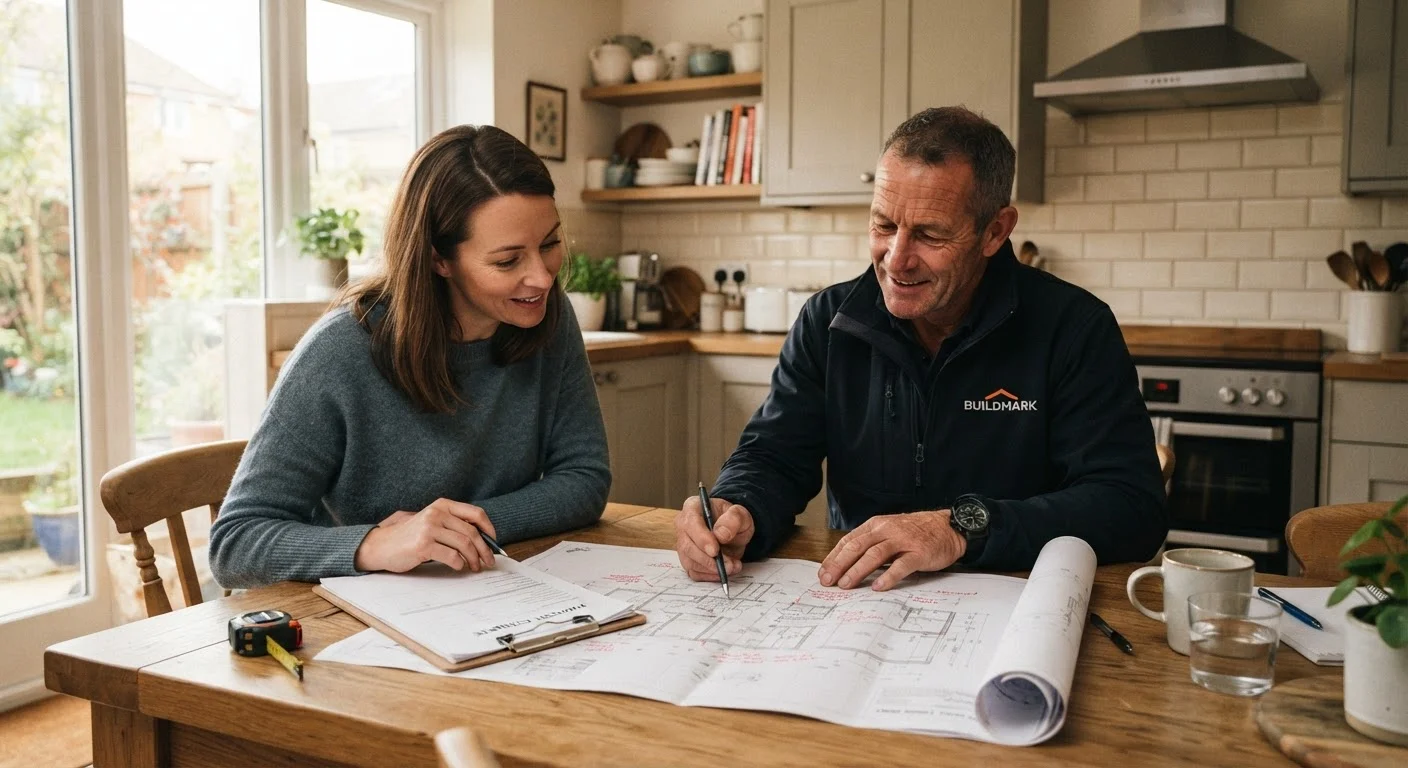
A renovation plan is more than a wish list — it's a sequenced, budgeted roadmap that prevents the two most common project killers: scope creep and financial surprises.
Start by writing down every project you want to address, then sort them using the priority tiers above. Assign a rough cost estimate to each — contractor quotes, online cost databases, and your local building department can help — and set a realistic timeline. Trying to accomplish too much at once strains both your budget and your household's patience.
Build a contingency buffer of at least 10–20% of your total project budget. Hidden problems — old wiring behind a wall, water damage under tile — are common in older homes and almost impossible to price in advance. A budget with no margin leaves you making hasty decisions under pressure.
Also confirm upfront which projects require permits in your municipality. Unpermitted work can create serious complications during a future home sale and may violate local safety codes. Your local building department is the authoritative source — not your contractor, and not online forums.
Once your plan is in motion, stay proactive about tracking progress. Our article on keeping a home improvement project on track covers practical scope-setting and milestone management. And to avoid costly assumptions, renovation myths that cost homeowners money is worth reading before you finalize any plan.