
Why Renovation Myths Are So Expensive to Believe
Home renovation is one of the largest investments most Americans make outside of buying the home itself. That's exactly why the myths surrounding it are so costly. They circulate through neighborhood conversations, home improvement TV shows, and well-meaning advice from family — and they sound plausible enough to act on.
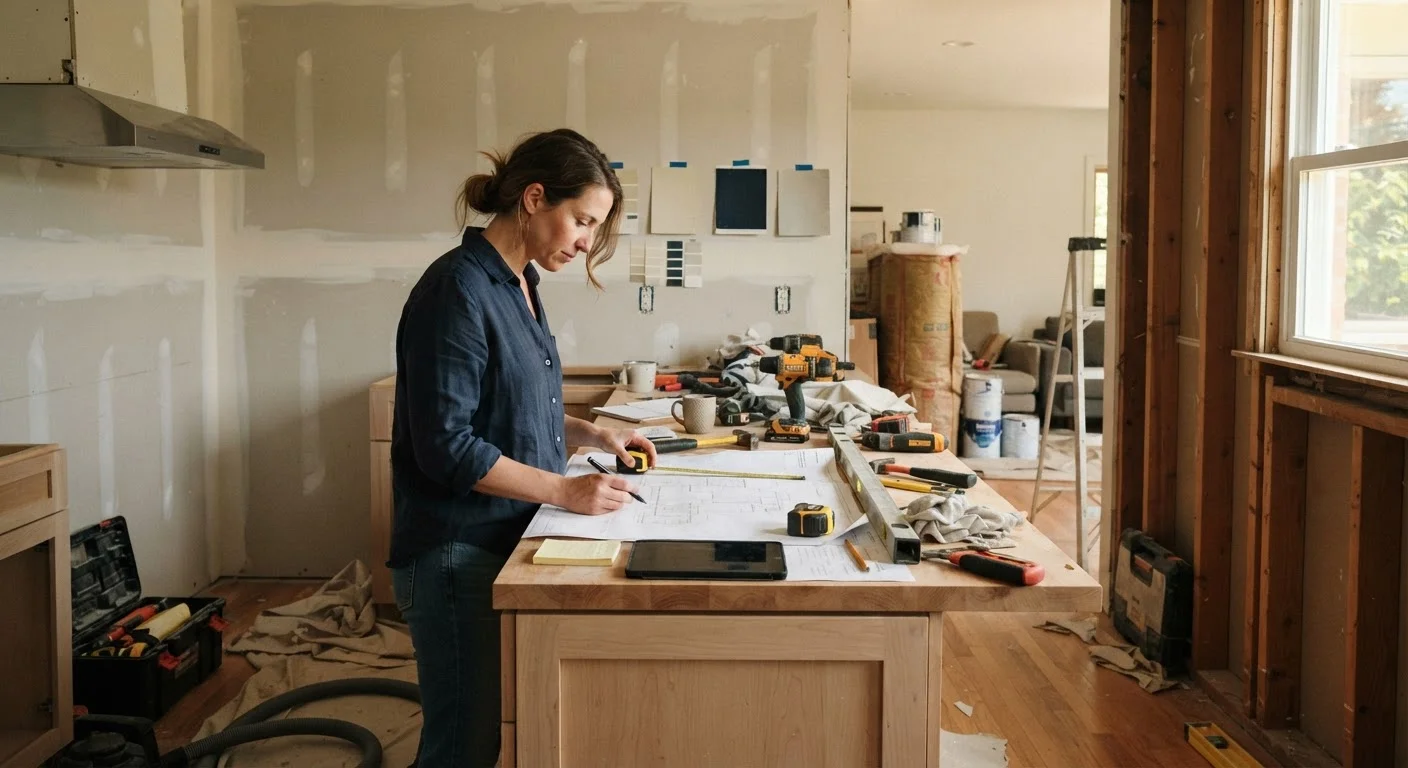
The problem isn't just wasted money. It's wasted time, stalled projects, and improvements that don't deliver the return homeowners expect. If you're planning any project — large or small — separating fact from folklore is the most important first step you can take. For a grounded starting point, our primer for first-time homeowners breaks down how to approach planning realistically.
Myth
Granite countertops will always increase your home's resale value.
Fact
Upgrades only add value up to your neighborhood's price ceiling — and premium finishes in a mid-range market often go unrecouped.
The assumption that high-end materials automatically translate to higher sale prices ignores a basic real estate principle: buyers compare your home to others in the same area. If comparable homes sell with laminate or quartz, granite may simply bring you in line with market expectations rather than above them. Cost-versus-value analyses from the remodeling industry consistently show that even mid-range kitchen remodels recover less than 80 cents on the dollar at resale on average — and upscale versions often recover even less.
Myth
You can skip primer and just apply an extra coat of paint.
Fact
Primer serves a chemically distinct function — it bonds to surfaces and seals porous materials in ways that paint alone cannot replicate.
Paint is formulated to provide color and a durable finish. Primer is formulated to adhere to bare drywall, wood, or previously painted surfaces and create a stable base. Skipping primer on new drywall, repaired patches, or when making a dramatic color change typically results in uneven absorption, visible bleed-through, and the need for additional paint coats — which usually costs more in materials and labor than primer would have. Combination primer-paint products can work well for some re-coat situations, but they're not a universal substitute for proper surface prep.
Myth
Renovating right before you sell will get you more money.
Fact
Last-minute renovations often don't recoup their cost, and buyers may distrust rushed work done just before listing.
Pre-listing renovations are appealing in theory but frequently disappoint in practice. Rushed timelines tend to produce workmanship issues that sharp-eyed buyers — and their inspectors — will notice. Meanwhile, buyers who want to customize the home may not value your choices at all. Maintenance and repairs that address clear deficiencies (a leaking roof, outdated electrical panels, failing HVAC) are generally better investments than cosmetic upgrades aimed at boosting asking price. If you're considering a garage conversion to add livable space before selling, the trade-offs deserve careful thought.
Myth
DIY always saves money compared to hiring a contractor.
Fact
DIY can save money on appropriate projects, but hidden costs — tools, materials waste, and correcting mistakes — often narrow or eliminate the savings.
The appeal of DIY is real: labor typically represents 30–50% of a project's total cost, and eliminating it looks like an obvious win. But that calculus changes quickly when you factor in tool acquisition or rental, the learning curve on unfamiliar techniques, material waste from errors, and the cost of a professional fixing what went wrong. Certain tasks — tiling a bathroom, painting interior rooms, replacing light fixtures — are genuinely accessible to capable DIYers. Others, particularly anything involving load-bearing structure, gas lines, or the main electrical panel, carry risks that make professional involvement not just practical but important for safety.
Myth
Open-concept layouts are always a selling point.
Fact
Open floor plans appeal to many buyers, but they involve real structural and cost considerations — and buyer preferences are not universal.
Removing walls to open up a floor plan became a near-universal renovation trend, but the reality is more complicated. Many interior walls are load-bearing, meaning removal requires a structural engineer's assessment and proper beam installation — projects that can cost several thousand dollars even before cosmetic work begins. Additionally, buyer preferences have shifted, and some buyers — particularly those working from home — actively want defined, separate spaces. Before committing to wall removal, it's worth evaluating both the structural costs and whether the result aligns with what buyers in your specific market actually want.
The Permit and DIY Misconceptions That Carry Real Risk
Two of the most persistent myths in home renovation — that permits are optional bureaucracy and that DIY always saves money — can each independently derail a project. Together, they're a recipe for expensive corrections.
Permits aren't just paperwork. They trigger inspections that verify work meets code, which protects your household's safety and your home's insurability. Understanding what a permit actually covers helps homeowners see this as protection, not interference. Unpermitted structural, electrical, or plumbing work can surface during a home sale inspection — sometimes requiring expensive remediation before closing.
On the DIY side, the math often looks better on paper than it plays out in reality. Tool rentals, unforeseen complications, and the cost of redoing mistakes can push total spend well above what a qualified contractor would have charged. That's not an argument against DIY — plenty of projects are genuinely well-suited to capable homeowners — but it is an argument for honest cost estimation upfront. Keeping a project on track from the start is the single most effective way to protect both your timeline and your budget.
Get Multiple Contractor Quotes — and Verify Credentials
Before hiring anyone for renovation work, verify that they hold a current license in your state, carry general liability insurance, and can provide references from comparable projects. A quote that comes in significantly lower than others isn't always a bargain — it may reflect unlicensed work, inferior materials, or corners cut on labor. Your state's contractor licensing board is a reliable starting point for verification.
Where to Actually Focus Your Renovation Energy
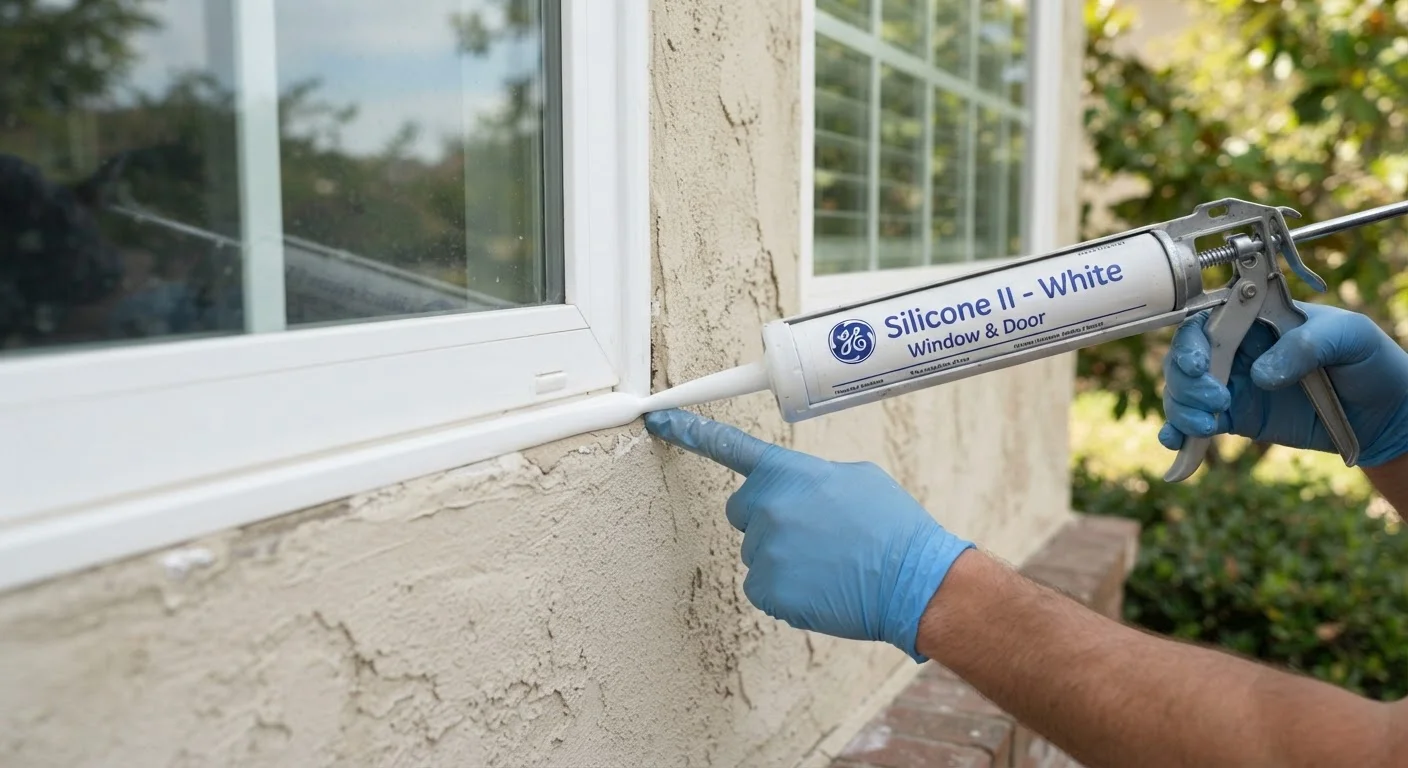
One underappreciated truth in home improvement is that not all projects deliver equal value — and the ones that look most impressive aren't always the ones that matter most. Sealing gaps around windows and doors, for example, is unglamorous work that pays consistent dividends in energy savings and moisture prevention. It's covered in detail in our guide on caulking around windows and doors.
Similarly, the interior-versus-exterior question trips up many homeowners who assume kitchen and bath upgrades always outperform curb appeal investments. The reality is more nuanced and depends heavily on your home's current condition, your neighborhood's price ceiling, and your goals. A closer comparison of interior vs. exterior renovations can help you prioritize with clearer eyes.
If you're also rethinking how rooms function — not just how they look — see our home decor hub for practical styling ideas that don't require a full renovation budget. And for myths that extend into the yard, landscaping myths that waste money and kill plants covers the same evidence-based approach outdoors.