
How to Think About the Interior vs. Exterior Decision
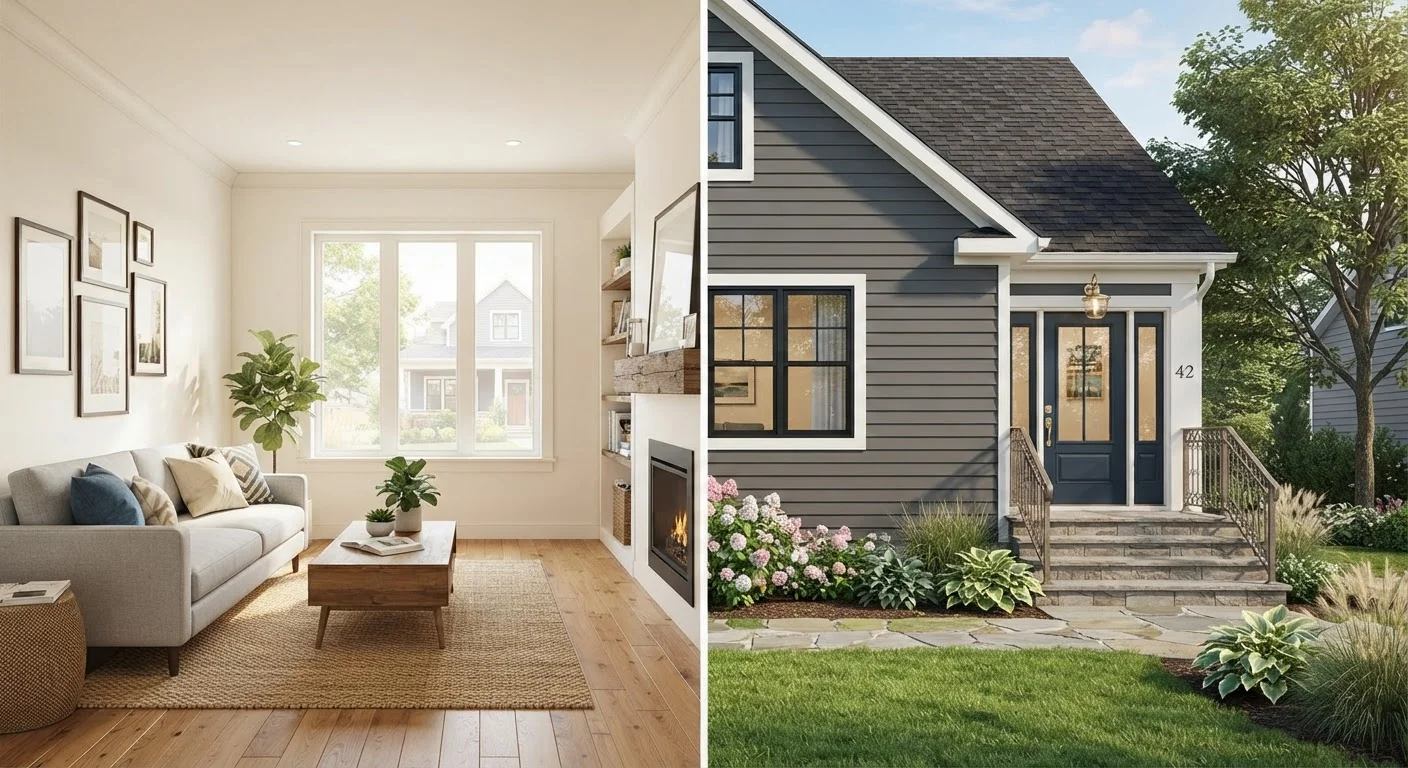
Before any renovation dollar leaves your account, it helps to frame the decision correctly. Interior and exterior projects serve different purposes, appeal to different motivations, and recover costs at different rates. Neither is automatically the right answer — but understanding what each category actually does for your home puts you in a much stronger position to choose.
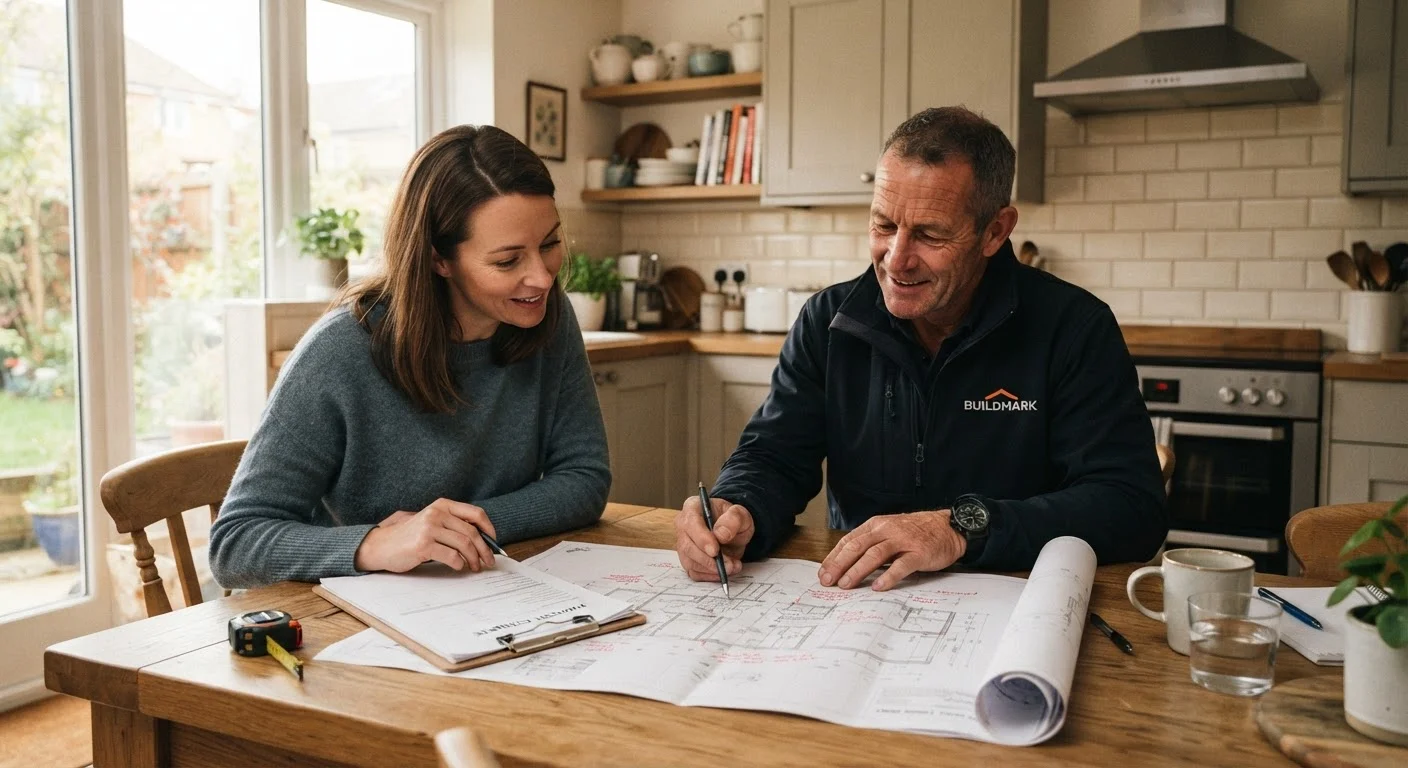
Three questions cut through most of the noise: Are you renovating to sell soon, or to stay? Does your home have deferred maintenance that needs attention first? And are you chasing comfort, value, or both?
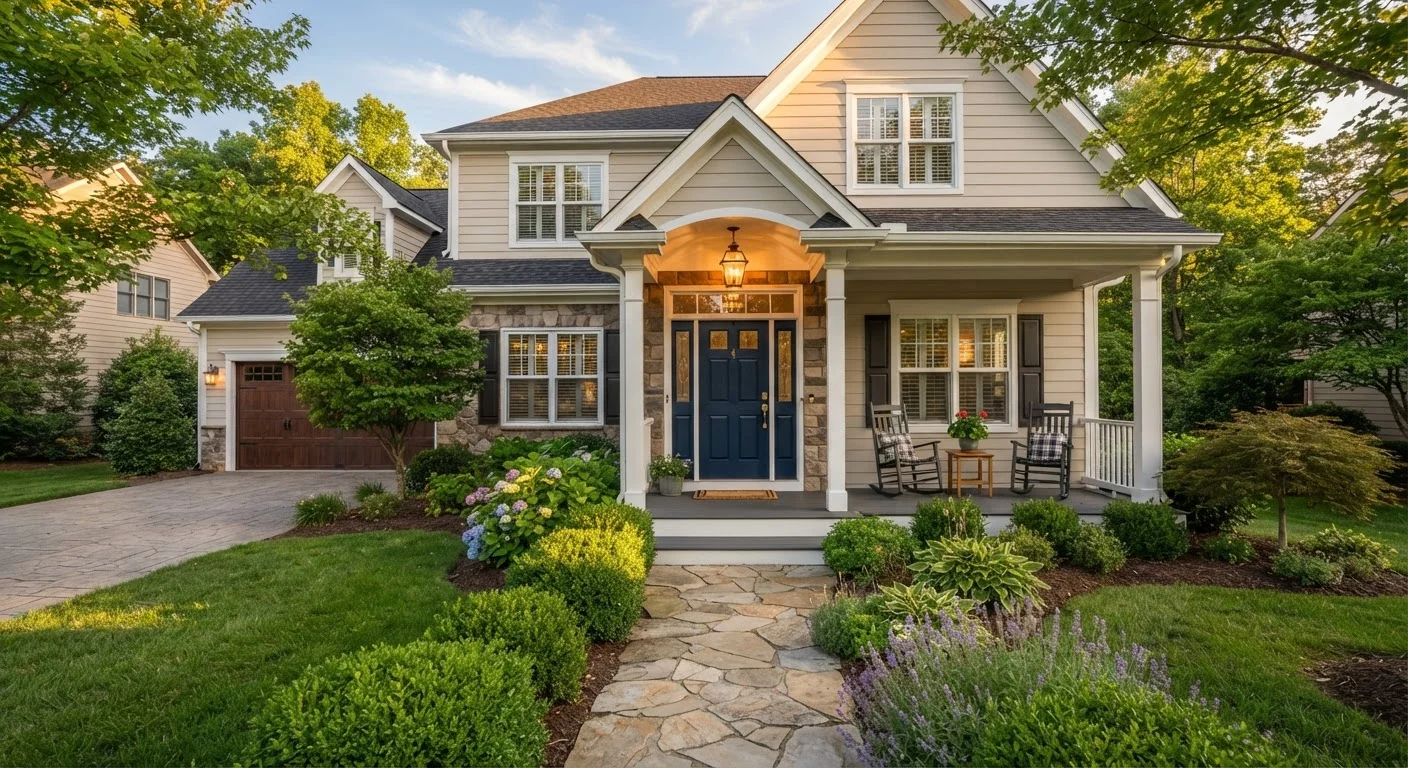
Exterior improvements — roofing, siding, windows, doors, landscaping, and driveways — shape how buyers and neighbors perceive your home before they ever step inside. Interior updates, from kitchen and bath refreshes to flooring and paint, determine how the home feels to live in and how it photographs for listings. Both matter; the question is sequencing and prioritization.
Always address functional and structural issues before cosmetic ones. A leaking roof or failing HVAC system will undermine any amount of interior staging. For a realistic scope of what complex interior projects involve, see our full breakdown of bathroom remodel costs and trade-offs.
Exterior Renovations: Costs, Impact, and Return
Curb appeal isn't just a real estate buzzword — it's the first filter buyers apply. Industry data consistently shows that certain exterior projects recoup a significant percentage of their cost at resale, often outperforming interior upgrades on a dollar-for-dollar basis.
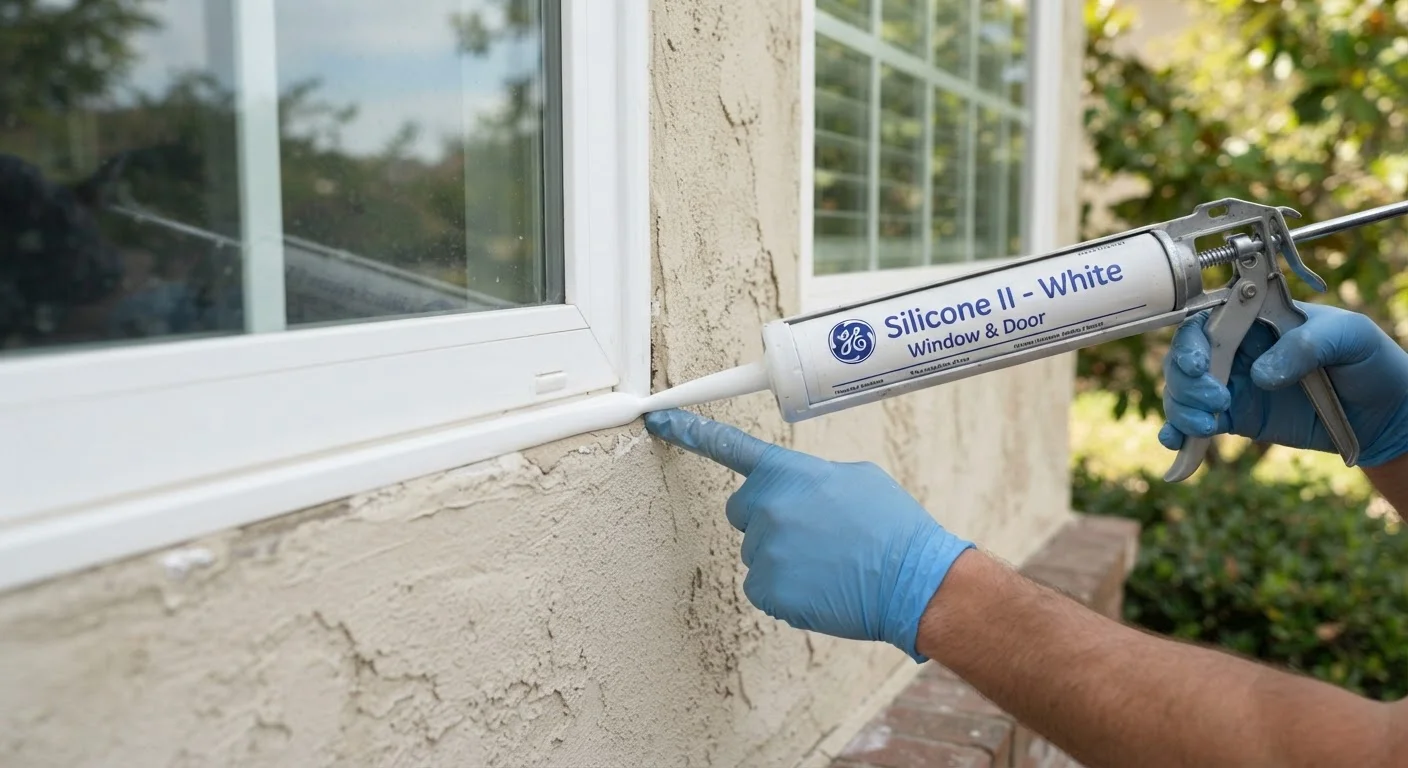
Garage door replacement, modest landscaping, exterior painting, and new entry doors are among the improvements most commonly cited as high-return projects in cost-vs.-value analyses. Larger undertakings — full siding replacement, window upgrades, new roofing — carry higher upfront costs but also address weatherproofing and energy efficiency, which have practical value beyond appearances.
| Exterior Renovations | Interior Renovations | |
|---|---|---|
| Primary benefit | Curb appeal, weatherproofing, first impressions | Livability, comfort, daily quality of life |
| Typical cost range | $1,500–$25,000+ depending on scope | $2,000–$50,000+ depending on scope |
| Resale return rate | Often 60–90% for targeted projects | Varies widely; 50–80% for kitchens and baths |
| Permit requirements | Often required for structural changes | Required for electrical, plumbing, structural work |
| DIY potential | Landscaping, painting, minor repairs | Painting, flooring, light fixtures |
| Best timing to prioritize | Before listing or when selling soon | When staying long-term or market is competitive |
A few important caveats: return estimates vary considerably by region, housing market conditions, and the quality of materials chosen. Overspending on luxury finishes in a mid-range neighborhood is one of the more common renovation mistakes — the market won't pay you back for outbuilding your street. For practical guidance on exterior upgrades that add real value without going overboard, curb appeal upgrades that make a real difference offers a grounded starting point.
Interior Renovations: Livability, Complexity, and What Buyers Notice
Interior renovations generally cost more per project and recover a lower percentage of cost at resale — but they tend to have a bigger effect on how much buyers love a home, and they directly shape the quality of daily life for homeowners who aren't selling.
Kitchen and bathroom updates are consistently the interior projects buyers notice most. Flooring replacements, fresh neutral paint, and updated lighting fixtures offer strong visual impact at relatively modest cost. Major layout changes — removing walls, adding rooms, converting spaces — involve structural, electrical, or plumbing work that typically requires permits and licensed contractors.
Permits Are Not Optional
Unpermitted work — especially for electrical, plumbing, structural, or egress changes — can complicate or derail a home sale, void homeowner's insurance claims, and create safety hazards. Always check with your local building department before starting any project that touches these systems. Correcting unpermitted work after the fact is almost always more expensive than getting the permit upfront.
Interior renovations that involve electrical panels, load-bearing walls, gas lines, or plumbing connections into the main supply are not DIY territory for most homeowners. Knowing where to draw that line matters. Our guide to what you can safely DIY and what you shouldn't walks through that boundary clearly.
For interior projects specifically, watch out for widely repeated renovation beliefs that don't hold up under scrutiny — renovation myths that cost homeowners time and money is worth reading before you finalize any plan.
Making the Call for Your Home and Goals
If you're planning to sell within the next year or two, lean toward exterior improvements first — they affect buyer perception before a single showing begins. If you're staying for five or more years, interior updates that improve daily comfort will deliver ongoing value regardless of resale timing.
In either case, get at least three contractor quotes, verify what permits your local jurisdiction requires, and build a 15–20% contingency buffer into your budget. Renovation projects slip in both timeline and cost for predictable, avoidable reasons — keeping a home improvement project on track covers the practices that prevent the most common overruns.
When budget is limited, prioritize projects in this order: fix what's broken or deteriorating, improve energy efficiency, then pursue cosmetic upgrades. This sequence protects your investment and avoids the regret of finishing a beautiful kitchen in a house with a failing roof.