
Why Design Styles Matter (and How to Use Them)
Interior design styles are shorthand — a shared vocabulary that helps you identify what resonates with you before you spend a dollar on furniture or paint. Knowing the name of a style isn't the goal; the goal is understanding its underlying principles so you can borrow selectively, mix intentionally, and make decisions that feel coherent rather than random.
Most real homes aren't a single style in pure form. They're a blend. But understanding what defines each style gives you a clear framework to work from — especially when you're feeling overwhelmed by options. See our layering principles guide for practical ways to combine elements once you've identified your preferences.
Palette
The set of colors used throughout a room or design scheme. A cohesive palette — typically two to four colors — is one of the primary tools that makes a space feel intentional.
Organic Lines
Shapes and forms that reference nature — curves, asymmetry, and flowing silhouettes — as opposed to rigid geometric or angular profiles. Common in mid-century modern and Scandinavian design.
Transitional Style
A hybrid design approach that blends traditional and contemporary elements. It typically uses neutral palettes, clean furniture lines, and occasional classic details to appeal to a wide range of tastes.
Texture
The tactile and visual quality of surfaces and materials — rough, smooth, woven, matte, glossy. Layering varied textures adds depth and warmth to a room, especially when the color palette is restrained.
Hygge
A Danish and Norwegian concept describing a quality of coziness, comfort, and convivial warmth. In interior design, it's associated with Scandinavian style — soft lighting, natural materials, and inviting textiles.
Eclectic
A design approach that deliberately mixes elements from multiple styles, periods, or origins. Done well, it creates a personalized, layered look; done poorly, it can feel incoherent.
The Major Interior Design Styles, Defined
These are the styles you'll encounter most often — in showrooms, on design platforms, and in conversations with decorators. Each has distinct markers you can recognize and apply.
Minimalist
Defined by the principle that less is more. Minimalist rooms use a limited color palette (often whites, grays, and warm neutrals), furniture with clean lines, and very little ornamentation. Every object earns its place. The goal isn't emptiness — it's intentionality. Clutter is the primary enemy.
Maximalist
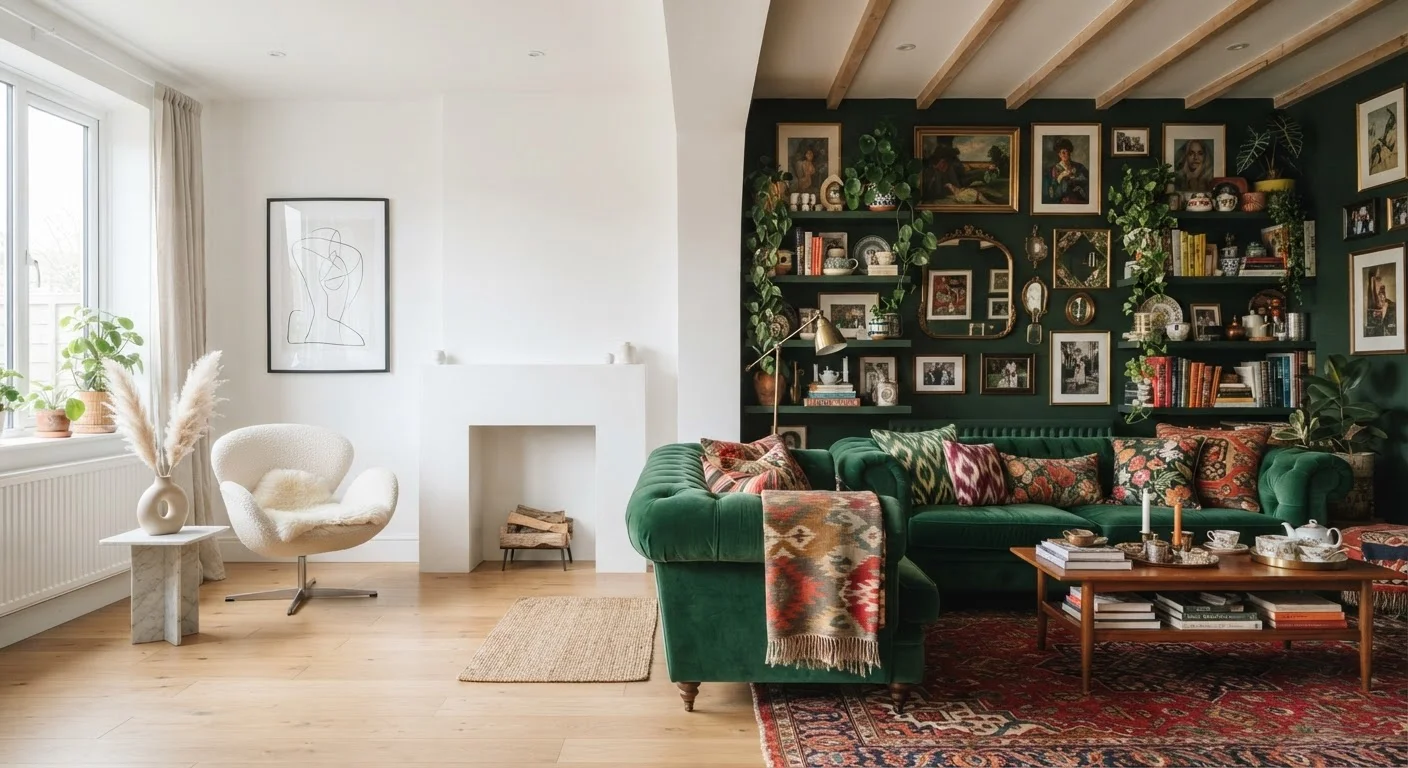
The deliberate opposite. Maximalism embraces pattern, color, texture, and an abundance of meaningful objects. The key word is curated — a maximalist room feels rich and layered, not chaotic, because there's an underlying logic to what's displayed. See our article on avoiding the matchy-matchy trap for one of the core principles that makes maximalism work.
Scandinavian (Scandi)
A functional, warmth-forward style rooted in Nordic design traditions. Think light woods, cozy textiles (wool throws, linen cushions), muted natural tones, and furniture that's simple but never sterile. Hygge — a Danish concept of coziness and well-being — is the emotional north star of this style.
Industrial
Draws from converted loft and warehouse aesthetics. Exposed brick, raw concrete, metal fixtures, Edison bulbs, and open ductwork are hallmarks. The palette leans dark: charcoals, blacks, aged browns. Industrial spaces prize structural honesty over decoration.
Mid-Century Modern
A design movement from roughly the 1940s through 1960s that emphasized clean organic lines, functional forms, and a connection between indoor and outdoor space. Tapered legs, bold but restrained color accents, and materials like teak and molded plastic are signature markers.
Bohemian (Boho)
Eclectic, globally influenced, and texture-driven. Boho interiors layer patterned rugs, macramé, rattan, plants, and collected objects from varied origins. There are no strict rules — personal expression and visual warmth take priority over formality.
Traditional / Classic
Rooted in European — particularly English and French — decorating conventions. Symmetry, ornate furniture profiles, rich wood tones, formal upholstery, and layered window treatments define this style. It communicates permanence and comfort rather than trend-awareness.
Transitional
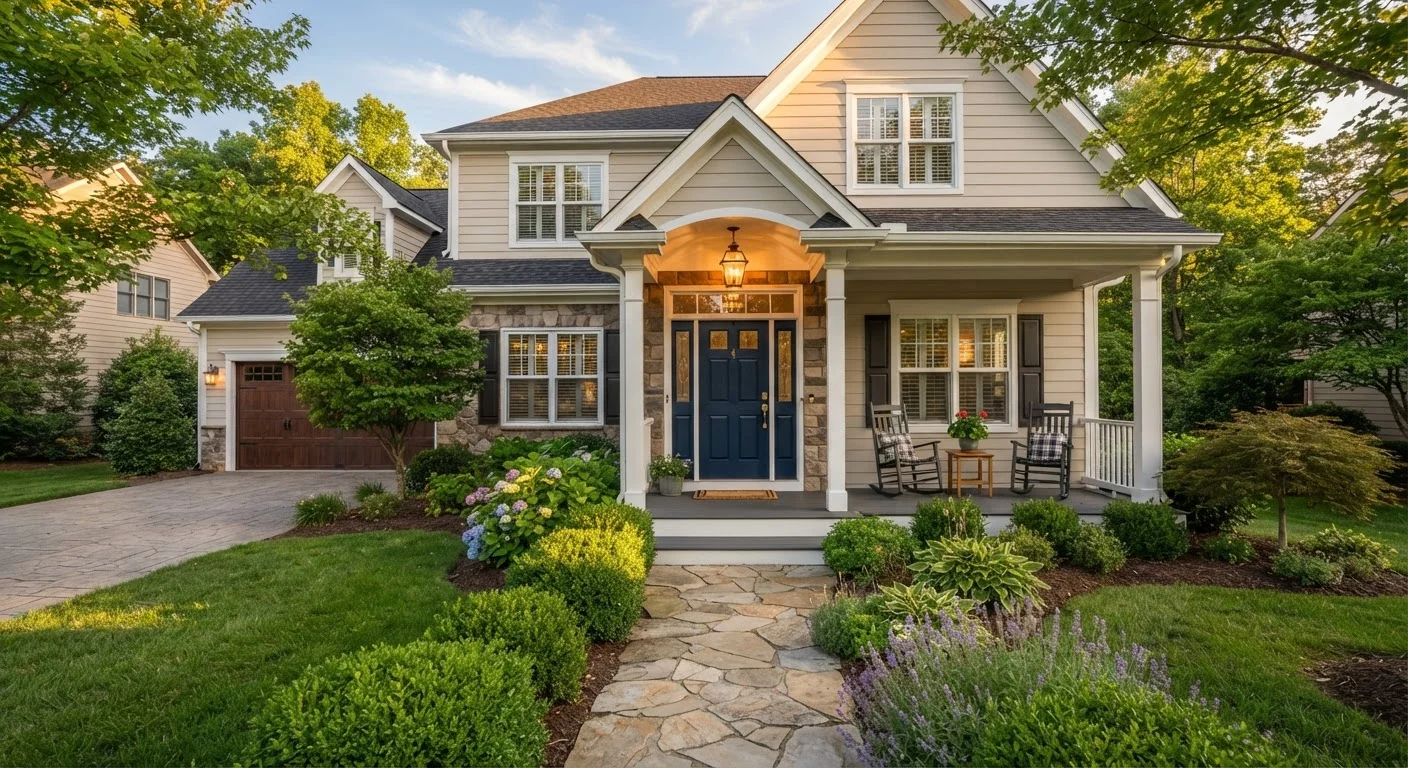
A deliberate hybrid of traditional and contemporary. Transitional interiors use clean lines and neutral palettes from modern design while incorporating warmer textures and occasional classic forms. It's arguably the most widely practiced style in American homes precisely because it's flexible and broadly appealing.
Coastal / Nautical
Inspired by ocean-adjacent living. Light and airy palettes (blues, whites, sandy neutrals), natural materials (jute, sea grass, weathered wood), and relaxed furniture silhouettes give coastal rooms a breezy, unhurried quality. Maximizing natural light is especially important in this style.
Finding Your Style Without Starting Over
Design style preference usually emerges from what you're consistently drawn to, not from a single quiz or showroom visit. A practical approach: save images of rooms you find genuinely appealing over a few weeks, then look for patterns. You'll likely notice recurring palettes, furniture shapes, or levels of visual complexity.
Your style may also vary by room. A minimalist kitchen and a maximalist living room can coexist — even complement each other — in the same home. The same logic applies when decorating a bedroom: the function of the space should influence how much visual stimulation feels right.
Color is one of the fastest ways to signal style without major investment. Understanding how warm, cool, and neutral tones shift a room's mood can help you test a direction before committing. Our guide on how paint choices shape a room's feel covers that ground in depth.
| Styles covered in this guide | 9 distinct styles |
| Most widely practiced style in US homes | Transitional (Commonly cited by interior design industry surveys) |
| Minimalist core principle | Every object earns its place |
| Bohemian style primary driver | Personal expression over formality |
| Mid-Century Modern era | Approx. 1940s–1960s |
| Fastest style signal without renovation | Paint color |