
Why Merging Feels Harder Than It Should
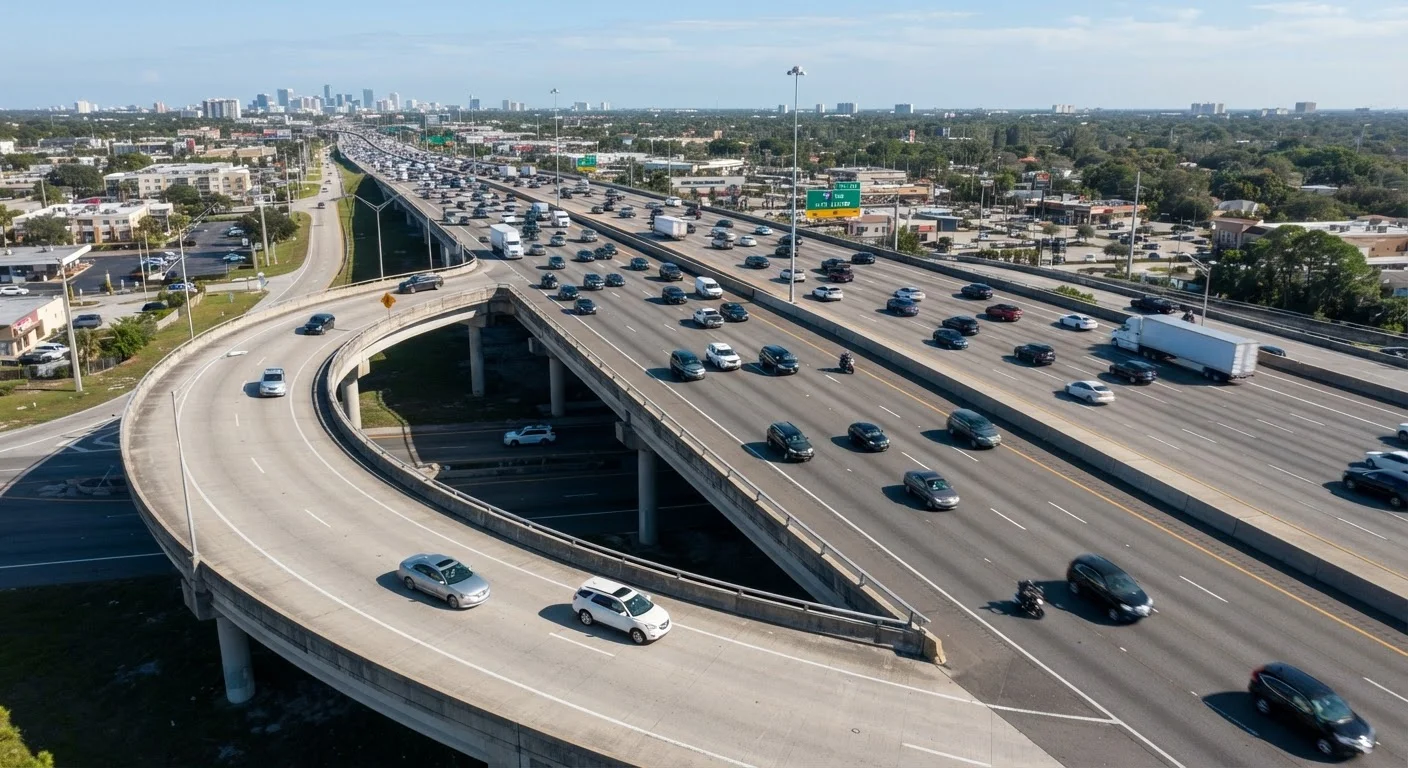
Merging onto a US highway is one of the most routine driving tasks there is — and one of the most frequently done wrong. It demands a driver to manage speed, scan mirrors, read traffic gaps, and signal, all within a few hundred feet of pavement. Most of us learned the mechanics during driver's ed and then gradually replaced good technique with habits that feel comfortable but aren't necessarily safe.
This article walks through the most common merging mistakes, explains why they happen, and offers concrete corrections. Whether you're a new driver or someone who's logged hundreds of thousands of highway miles, a quick reset on these fundamentals can make a measurable difference in how safely you move through traffic. For a broader look at how some widely held driving beliefs fall apart on real roads, see common driving myths debunked.
The Most Common Merging Mistakes — and How to Fix Them
These errors show up every day on American interstates and freeways. Recognizing them is the first step toward correcting them.
Slowing down on the on-ramp instead of accelerating to highway speed.
Why it happens: Drivers feel uncertain about entering fast-moving traffic and instinctively reduce speed to buy more time. This reaction feels safer but actually increases danger.
Merging without checking blind spots — relying on mirrors alone.
Why it happens: Mirrors cover most of the area behind a vehicle, so drivers assume they're sufficient. But every standard vehicle has blind spots that mirrors simply don't show.
Forcing a merge without leaving adequate space for the merging vehicle.
Why it happens: Highway drivers sometimes refuse to adjust speed or position out of frustration, a sense of right-of-way, or simply not noticing a merging vehicle in time.
Stopping completely at the end of an on-ramp.
Why it happens: When traffic is heavy or a gap seems impossible to find, some drivers come to a full stop at the ramp's end. This is a last resort that many drivers reach too quickly.
Merging too early when a lane is closing, instead of using the zipper method.
Why it happens: Early merging feels polite and avoids the social discomfort of appearing to cut in. Most drivers were not taught the zipper merge concept formally.
Merging is one piece of a larger picture of highway hazard awareness. Our guide on spotting road hazards before they become emergencies covers the scanning habits that experienced drivers use to stay ahead of dangerous situations.
The Zipper Merge: What It Is and Why Drivers Resist It
When a lane ends due to construction or a highway narrowing, many drivers merge far too early, leaving the closing lane nearly empty and creating a long, inefficient backup. Transportation engineers and traffic researchers consistently support the zipper merge — using both lanes until the merge point, then taking turns one vehicle at a time, like the teeth of a zipper.
The resistance to zipper merging is largely social. Drivers who stay in a closing lane until the last moment are often perceived as cutting in line, even though they're following the approach that moves traffic most efficiently and reduces rear-end collision risk. Studies by state departments of transportation have found that zipper merging can reduce overall merge-area backup length significantly compared to early merging.
Never Stop on a Highway On-Ramp Unless Absolutely Necessary
Coming to a complete stop on an on-ramp is one of the most dangerous things a driver can do. Vehicles behind you on the ramp may not be able to stop in time, and you'll eventually have to accelerate from zero into 65-mph traffic — a nearly impossible gap to safely enter. If you find yourself frequently needing to stop, practice scanning for gaps earlier in the ramp approach.
If you're driving in work zones where lanes merge, understanding your legal obligations matters too. Our breakdown of driving laws in work zones and other special areas explains what US law generally expects in those situations.
Highway merging also behaves differently depending on where you are. City and rural highway driving each carry distinct risks — knowing both environments helps you adapt your merging approach based on traffic density and road type.