

What Actually Separates These Two Connection Types
At the most basic level, Wi-Fi sends data through radio waves, while Ethernet sends it through a physical cable. That single difference creates a cascade of practical consequences — in speed, reliability, and security — that matter more in some situations than others.
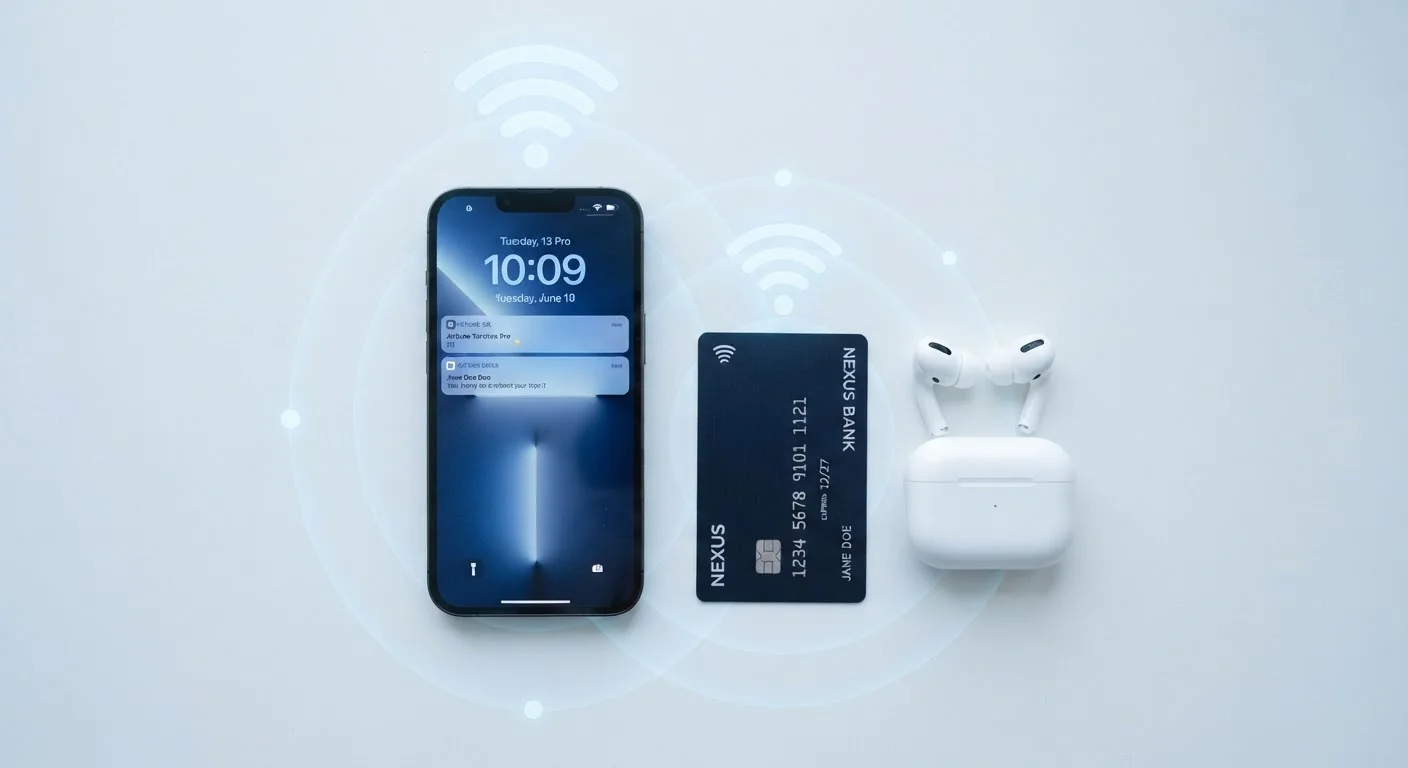
Wi-Fi transmits data wirelessly using radio frequencies. Your router broadcasts a signal, and devices within range connect to it. The convenience is obvious: no cables, no drilling, no limit on where you sit. But radio signals are shared, bounce off surfaces, and compete with neighboring networks and household appliances. For a deeper look at how walls and interference shape that signal, see how Wi-Fi travels through your home.
Ethernet uses a dedicated physical cable — typically a Cat5e, Cat6, or Cat6a cable — to connect a device directly to your router or network switch. Because the signal travels through copper wire rather than open air, it's far less susceptible to interference. The connection is also exclusive to that device, meaning it doesn't compete with your neighbor's network or your microwave.
| Criterion | Wi-Fi | Ethernet |
|---|---|---|
| Speed consistency | Variable — affected by interference | Stable — unaffected by environment |
| Typical latency | 20–80 ms under load | 1–10 ms typical |
| Setup complexity | Simple — no cables needed | Requires cable runs or adapter |
| Device mobility | Full freedom of movement | Device must stay tethered |
| Interference risk | High — walls, appliances, neighbors | None — signal stays in cable |
| Security exposure | Signal extends beyond walls | Signal stays inside cable |
| Best for | Mobile devices, casual use | Gaming, work, 4K streaming |
Speed and Latency: The Numbers That Actually Matter
Raw download speed gets most of the attention, but latency — the time it takes a signal to make a round trip between your device and the server — is often the metric that shapes your actual experience.
On a well-configured home network, both Wi-Fi and Ethernet can deliver the speeds your internet service provider supplies. If your plan delivers 200 Mbps, either connection can realistically hit that ceiling for downloads. Where Ethernet earns its keep is in consistency. Wi-Fi speeds fluctuate based on signal strength, interference, and how many devices are active. Ethernet speeds stay steady.
~1–10 ms
Typical Ethernet latency on home networks
Wired connections consistently achieve single-digit millisecond latency in home network testing under normal conditions.
Up to 40%
Wi-Fi speed loss through walls and distance
Signal degradation from physical obstructions commonly reduces effective Wi-Fi throughput by 20–40% compared to line-of-sight connections.
10 Gbps
Maximum throughput of Cat6a Ethernet cable
Cat6a cables support up to 10 Gigabit Ethernet over distances of 100 meters, far exceeding the capacity of most home internet plans.
Latency tells a clearer story. A wired Ethernet connection typically produces latency in the single-digit to low-double-digit millisecond range. Wi-Fi — even on modern 5 GHz or Wi-Fi 6 networks — adds overhead that can push latency into the 20–80 ms range under congestion. For most web browsing or video streaming, that gap is imperceptible. For online gaming or real-time video calls, it can mean the difference between a smooth session and a frustrating one. To understand how Wi-Fi frequencies affect these numbers, choosing the right Wi-Fi band for each device can help you squeeze more performance from your existing router.
When to Plug In — and When to Stay Wireless
The honest answer is that most households don't need to cable every device. The goal is to identify which devices genuinely benefit from a wired connection and prioritize those.
Strong candidates for Ethernet:
- Desktop computers — stationary by nature, so there's no downside to a cable.
- Gaming consoles — consistent low latency directly improves online play.
- Smart TVs and streaming sticks — eliminates buffering on high-bitrate 4K content.
- Work-from-home setups — stable connections prevent dropped video calls.
- Network-attached storage (NAS) devices — wired speeds dramatically improve large file transfers.
Wi-Fi is fine for:
- Smartphones and tablets — designed for wireless use, and their bandwidth needs are modest.
- Smart speakers and home assistants — low-bandwidth devices that work well on wireless.
- Laptops used casually for browsing, email, and streaming.
- Smart home sensors and cameras — most don't require high throughput.
If your home has persistent Wi-Fi dead zones rather than a fundamental speed problem, a mesh network may solve coverage issues without requiring you to run Ethernet to every corner.
No Ethernet Port? You Have Options
Many modern laptops and some streaming devices lack a built-in Ethernet port. A USB-to-Ethernet adapter (or USB-C-to-Ethernet, depending on your ports) provides a wired connection without any internal hardware changes. These adapters are widely available and straightforward to use — plug into your device, connect the cable, and your operating system typically recognizes the connection automatically. For gaming consoles or smart TVs in rooms far from your router, a powerline adapter kit uses your home's electrical wiring to carry a network signal, avoiding the need to run long cables through walls.
Security: A Quieter Advantage of Wired Connections
Wi-Fi signals extend beyond your walls. A determined attacker within range can attempt to intercept or probe your wireless network, even a password-protected one. Modern WPA3 encryption makes this significantly harder, but the attack surface exists as long as the signal does.
Ethernet traffic stays inside the cable. There's no signal to intercept from a driveway or parking lot. For devices handling sensitive data — a home office computer, a NAS with financial documents — that physical isolation is a meaningful layer of protection that requires no configuration.
This doesn't mean Wi-Fi is insecure for everyday use. A properly secured Wi-Fi network with a strong password and current firmware is adequate for most households. But if security is a priority for a specific device, the wired path removes an entire class of risk. For context on how Wi-Fi fits into the broader landscape of wireless technologies, Bluetooth, Wi-Fi, and NFC compared explains how each standard handles its own security model.
Understanding your home network starts with knowing what kind of internet connection arrives at your router in the first place. Home Internet 101 breaks down fiber, cable, DSL, and satellite so you know what you're actually working with before optimizing how you distribute it.