
Why Preparation Makes All the Difference
Bringing a rabbit, hamster, or guinea pig home is exciting — but small pets are more sensitive to their environment than many people expect. Unlike dogs or cats, these animals rely heavily on routine, familiar scents, and a stable, low-stress setup to feel safe. A chaotic or incomplete environment on arrival day can set back the bonding process significantly.
This checklist is designed to help you get everything in place before your pet takes their first step into your home. Whether you're welcoming a rabbit who needs real space to roam — see our guide on what rabbits actually need beyond a cage — or a hamster who thrives with a cozy, enriched enclosure, the core principles of good preparation are the same.
Work through each section of this checklist at least two to three days before pickup. That way, if something is missing or needs adjusting, you have time to sort it without rushing.
Species-specific enclosure
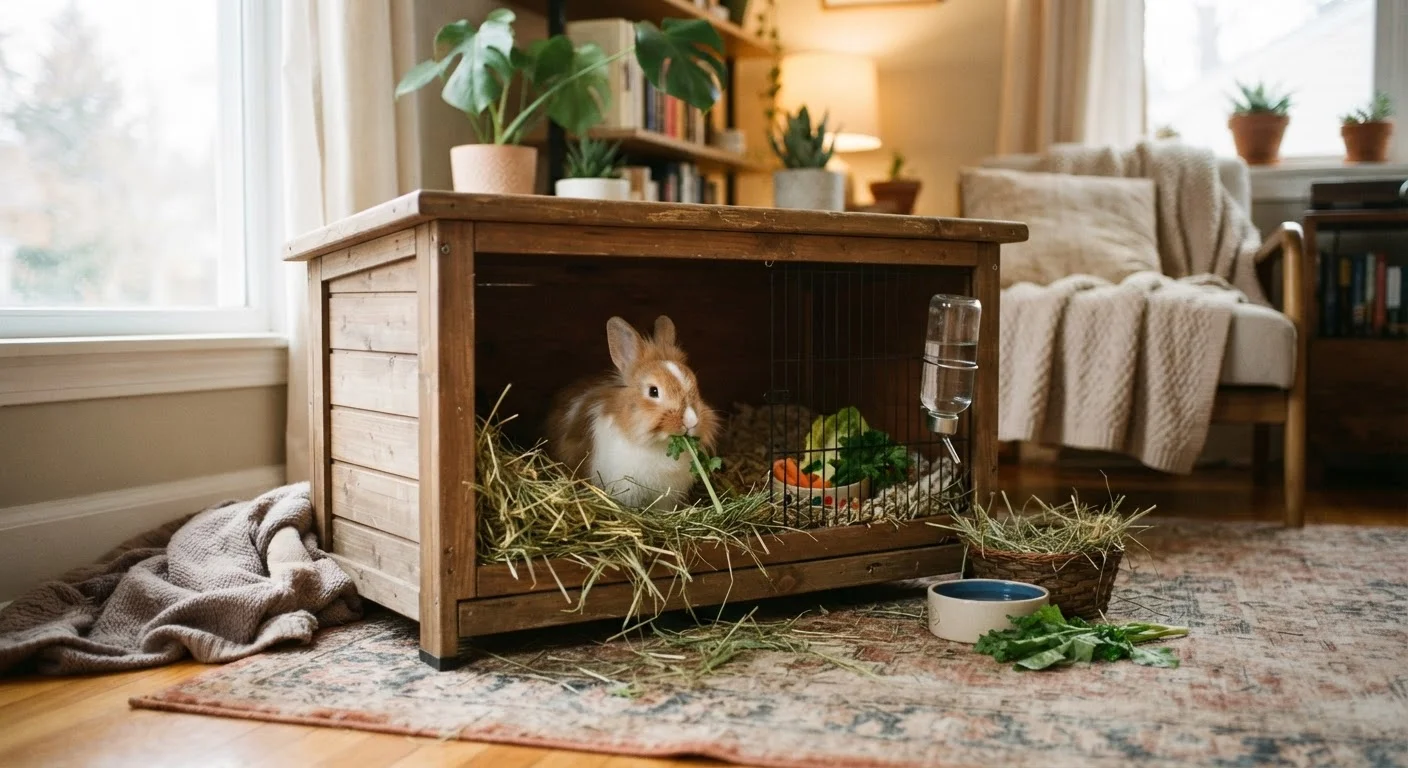
Provides your pet's primary living space sized and configured for their needs.
Appropriate bedding (paper-based or hay)
Keeps the habitat comfortable and absorbs waste without harming your pet.
Water bottle or ceramic water bowl
Delivers clean, accessible hydration inside the enclosure.
Hideout or shelter
Gives your pet a secure retreat that reduces stress, especially in the early days.
Species-appropriate food supply
Ensures your pet's nutritional needs are met from day one.
Playpen or exercise area
Provides safe, supervised free-roam time outside the main enclosure.
Cord covers or cable management clips
Protects electrical wiring from chewing, a common hazard for small animals.
Small animal enrichment items (wheels, tunnels, chew toys)
Keeps your pet mentally stimulated and physically active inside the habitat.
How to Use This Checklist
The items below are organized by category so you can tackle one area at a time. Priority labels indicate which steps are non-negotiable (must), strongly advisable (should), or genuinely helpful but flexible (nice to have). Start with must items in every group before moving on.
If you're still deciding between species, our comparison of rabbit vs. guinea pig needs can help you match the right animal to your lifestyle before you commit. And if you already have cats in the home, the introduction dynamics are quite different — the approach for bringing a new cat home offers useful contrast for how species-specific these transitions really are.
Housing & Habitat
Food & Water Setup
Safety & Pet-Proofing
Veterinary & Health Prep
Enrichment & Comfort
The First 48 Hours: What to Expect
Once your small pet is home, resist the urge to handle them constantly or invite everyone over to meet them. The first two days are a critical settling-in window. Most small animals will spend time hiding, exploring cautiously, and getting used to the sounds and smells of your home. This is completely normal behavior — not a sign that something is wrong.
Offer fresh food and water, keep noise levels low, and let your pet approach interaction on their own terms. Avoid rearranging the enclosure during this period, as familiar placement of hides and food dishes reduces anxiety. First-time small-pet owners often make avoidable missteps during this window — our article on common first-month rabbit mistakes covers the most frequent ones if you want to be extra prepared.
Not All Vets Treat Small Exotic Mammals
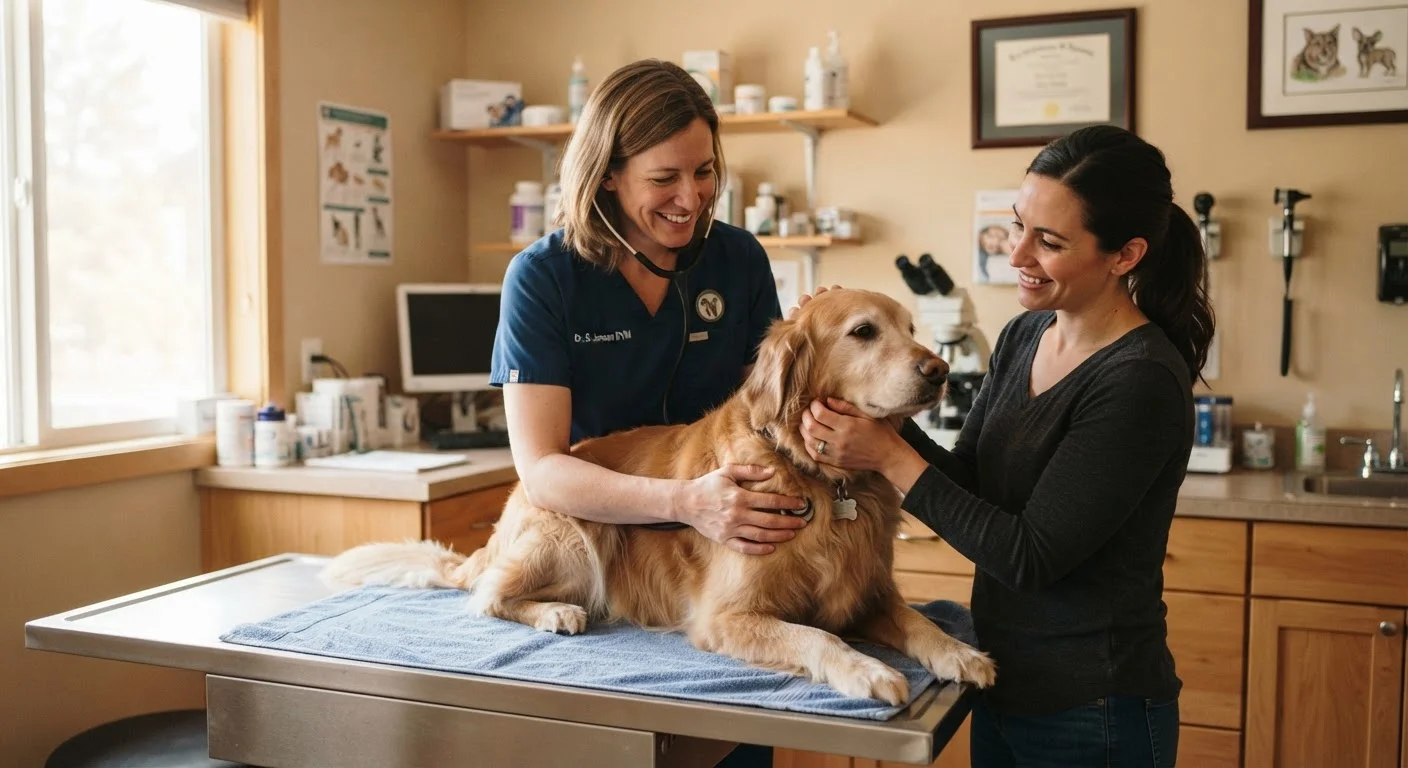
Rabbits, guinea pigs, and hamsters are considered exotic animals by many veterinary practices, meaning not every general vet clinic is equipped to treat them. Before your pet arrives, call ahead and confirm that your chosen vet has experience with your specific species. Emergency situations can escalate quickly with small animals, so knowing exactly where to go in advance matters.
Digestive Upsets Can Be Serious in Small Animals
Introducing new foods too quickly — especially sugary treats or unfamiliar vegetables — can cause digestive problems that become dangerous for small animals in a short time. Stick to familiar, species-appropriate foods for the first several days and introduce anything new gradually. If your pet stops eating, drinking, or producing droppings, contact a vet promptly.
By day three or four, most healthy small pets will begin showing more curiosity and willingness to interact. That's your cue to begin slow, gentle handling sessions — always at the animal's level, never towering over them.
This article is for general informational purposes only and is not a substitute for professional veterinary advice. Always consult a licensed veterinarian for guidance specific to your pet's health and needs.