
Why a Home Grooming Routine Matters More Than One-Off Sessions
Grooming isn't just about keeping your dog looking neat — it's a genuine health practice. Regular brushing removes dead skin cells and distributes coat oils. Nail trims prevent the nails from curving into the paw pad. Clean ears catch early signs of infection before they become painful and expensive. Done consistently, a home routine is one of the most practical things you can do for your dog's wellbeing between vet visits.
The challenge most owners face isn't knowing what to do — it's building a routine that actually sticks. That means selecting the right tools, keeping sessions calm and short, and understanding that your dog's cooperation is something you earn gradually through positive associations, not demand all at once.
If you're new to dog ownership, starting a grooming habit early makes an enormous difference. Puppies acclimated to handling — paws touched, ears examined, mouth gently opened — tend to be far more relaxed about grooming as adults. For older dogs joining your household, the same principle applies, just with more patience upfront.
Your dog's coat type will significantly shape how much time each task takes and how often you'll need to do it. Short-coat and long-coat dogs have genuinely different grooming demands, so understanding your dog's coat is a practical starting point before you invest in tools.
What you will need
What You'll Need Before You Start
Having the right tools within reach before you begin makes every session run more smoothly — you don't want to leave a soapy, anxious dog in the tub while you search for the conditioner. Below are the core tools that cover the full grooming routine.
Slicker brush or deshedding tool
Removes loose fur, prevents matting, and distributes natural oils through the coat.
Dog nail clippers or grinder
Trims nails to a safe length to prevent discomfort and joint strain.
Dog-safe ear cleaning solution
Loosens wax and debris from the ear canal to reduce infection risk.
Dog-specific shampoo
Cleans coat and skin without disrupting a dog's natural pH balance.
Styptic powder
Quickly stops minor bleeding if a nail is accidentally trimmed too short.
Detangling spray
Makes brushing easier on long or prone-to-tangle coats without full bathing.
One note on shampoo: choose a formula designed for dogs. Human shampoos — even gentle ones — have a different pH than products formulated for canine skin, and repeated use can cause dryness and irritation. If your dog has a skin condition, ask your veterinarian whether a medicated or hypoallergenic formula would be more appropriate.
The Step-by-Step Home Grooming Routine
Work through these steps in order during a full grooming session. You don't have to do everything in one sitting — splitting brushing, bathing, and nail trims across different days is completely reasonable, especially when you're building your dog's comfort level.
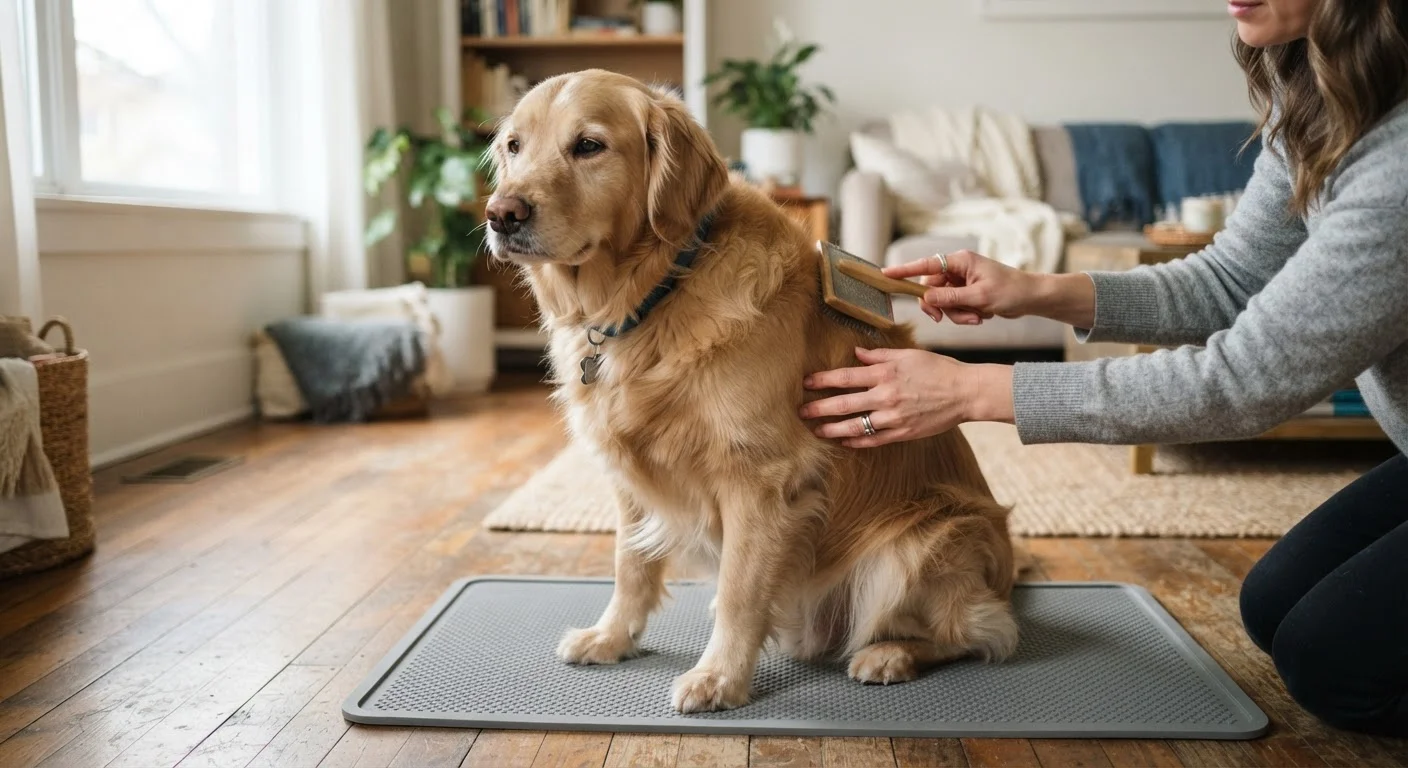
Brush the coat thoroughly before anything else
Start every grooming session with brushing, even before a bath. Brushing dry fur is far easier than working through wet tangles. Work in the direction of hair growth using a brush suited to your dog's coat — a slicker brush for longer coats, a rubber curry brush for short coats, and a wide-tooth comb for dogs prone to matting near their collar or behind their ears.
For dogs with longer coats, section the fur and work from the ends toward the skin to avoid pulling. Pay special attention to friction zones: armpits, groin, behind the ears, and around the collar.
Bathe your dog using lukewarm water and dog-safe shampoo
Wet the coat thoroughly with lukewarm water — dogs are sensitive to temperature. Apply shampoo from neck to tail, working it gently into the coat with your fingers. Avoid the face, eyes, and ear canals. Use a damp washcloth to wipe the face separately.
Rinse completely. Shampoo residue left in the coat can cause skin irritation, so rinse longer than you think necessary. Most dogs don't need bathing more than once every four to six weeks unless they've rolled in something or have a skin condition that your vet has addressed specifically.
Dry the coat fully before your dog goes outside
Towel dry first to remove most of the moisture, then use a low-heat dryer on a low setting if your dog tolerates it. Keep the dryer moving constantly and hold it at a safe distance to prevent overheating any one spot. Many dogs do fine air-drying indoors in a warm room.
Dogs with thick double coats in particular need to dry thoroughly, as damp undercoat held close to the skin can lead to a condition called "hot spots" — painful, inflamed patches of skin.
Trim the nails carefully and calmly
Hold your dog's paw firmly but gently. Trim small amounts at a time — just the curved tip of each nail. In dogs with light-colored nails, you can see the pink quick (the blood vessel inside) and avoid it easily. In dark nails, trim in very small increments and stop when you see a gray or pink oval appear in the center of the cut surface.
If your dog is highly resistant to nail trims, try touching and holding the paw frequently between sessions so the sensation becomes familiar and non-threatening. Some owners find a nail grinder less stressful for their dog than clippers.
Clean the ears gently and check for problems
Apply a small amount of veterinarian-approved ear cleaning solution to a cotton ball — never pour liquid directly into the ear canal. Gently wipe the visible part of the inner ear flap and the outer canal entrance. A healthy ear should look pale pink and smell neutral.
Dogs with floppy ears (like Basset Hounds or Cocker Spaniels) are more prone to moisture buildup and infections. These dogs may need ear cleaning more frequently. Check during every grooming session even if you don't clean every time.
Make Every Session End on a Good Note
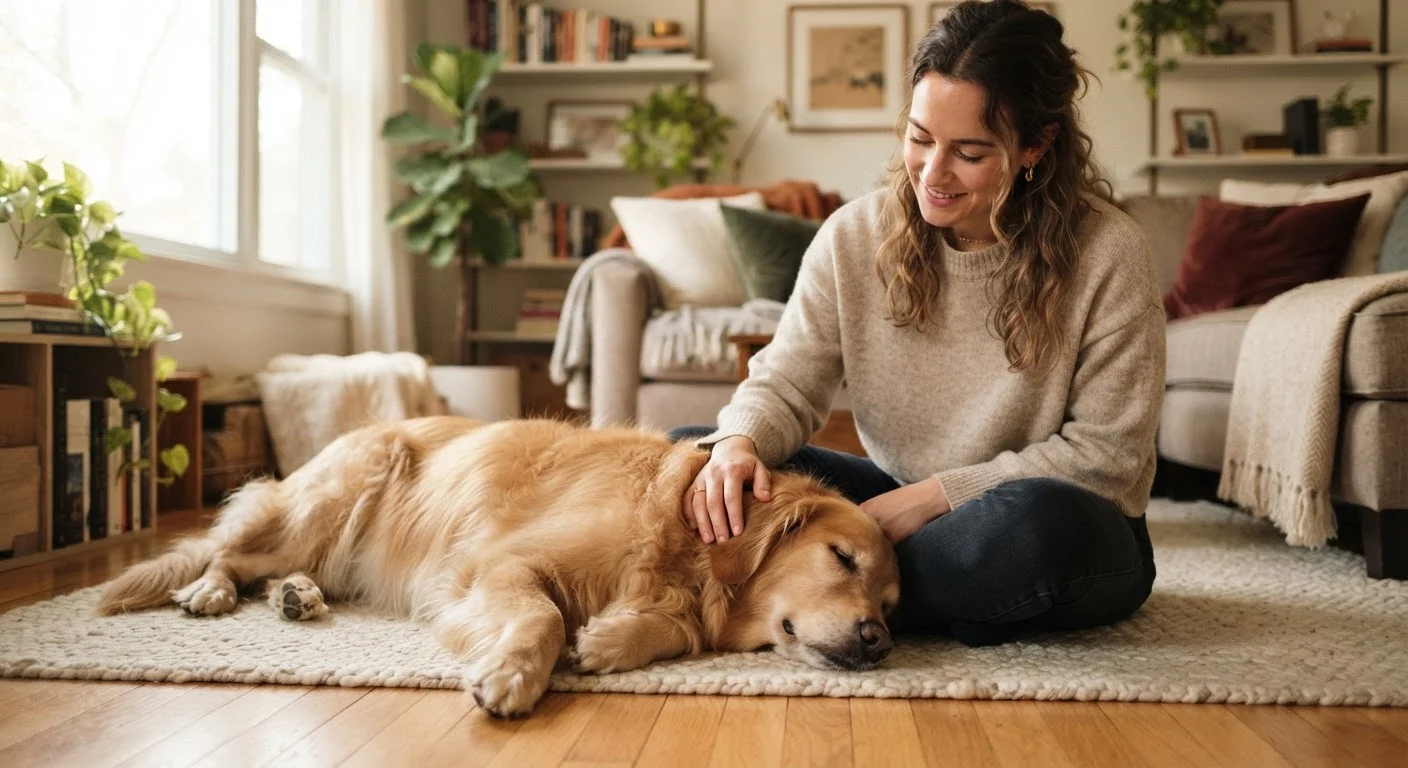
Always finish a grooming session with something your dog enjoys — a favorite treat, a short play session, or calm praise. Dogs form associations quickly, and consistently pairing grooming with something positive can transform a reluctant dog into a cooperative one over just a few weeks.
Building Toward a Sustainable Schedule
How often you groom depends on your individual dog. As a general starting point: brush short-coated dogs weekly and long-coated dogs at least three times a week. Bathe most dogs every four to six weeks. Trim nails when you can hear them clicking on hard floors — typically every three to four weeks. Clean ears monthly, or more often for dogs prone to buildup.
Grooming is also a natural opportunity to check your dog's overall condition. While you're brushing, look for lumps, skin changes, hair loss, or parasites. While cleaning ears, check for redness or unusual smell. While trimming nails, notice if your dog is flinching in a new place that might indicate joint sensitivity. These small observations, made regularly, help you catch things early.
When to Stop and Call Your Vet
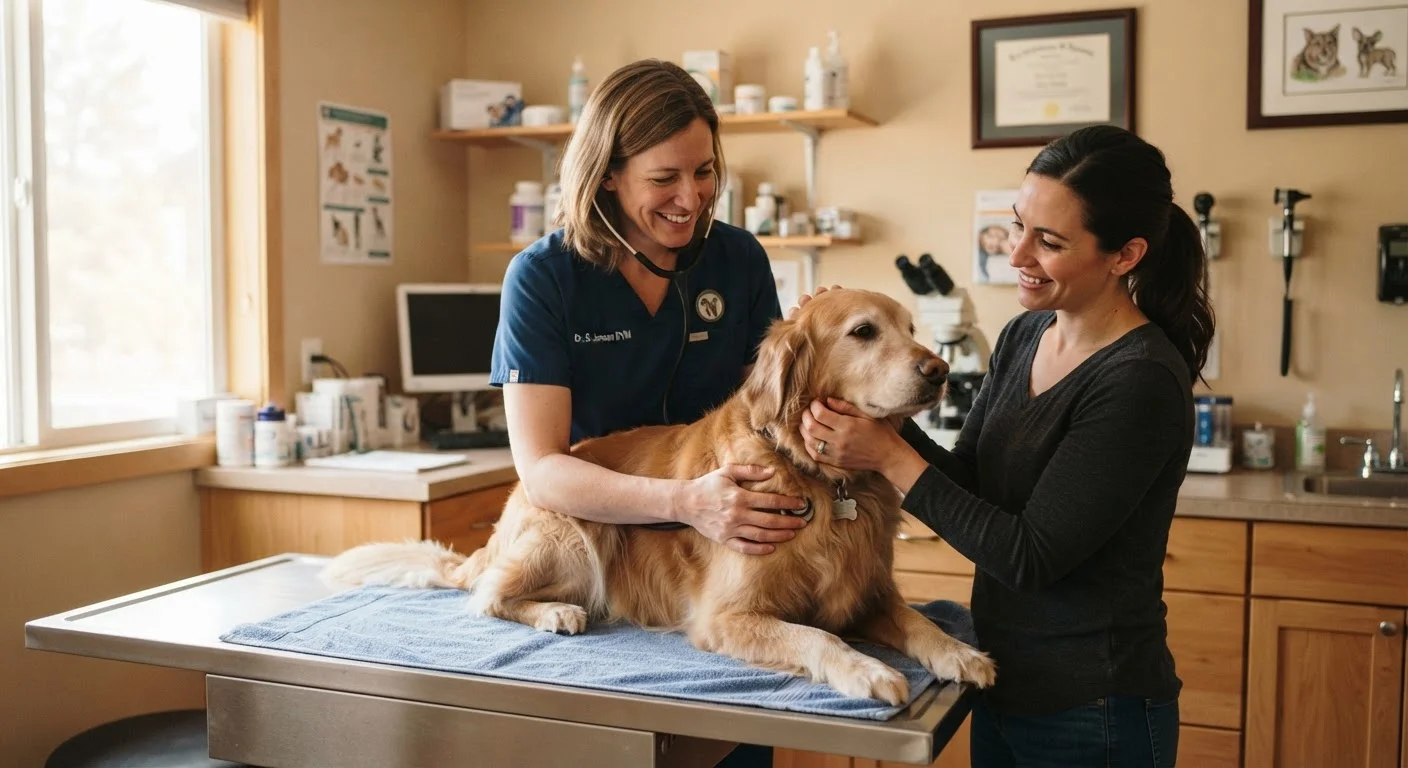
If you notice redness, swelling, foul odor, unusual discharge from the ears, or if you cut into the quick during a nail trim and bleeding won't stop within a few minutes, contact your veterinarian. These can signal infection or injury that needs professional attention. Home grooming should never push past a point where your dog is showing clear signs of pain or distress.
Dental hygiene is one area grooming sessions often don't cover directly, but it matters just as much. If you're not already thinking about it, our overview of what dog dental health actually involves is a worthwhile next read.
As your dog ages, their grooming needs will shift — senior dogs may need more frequent nail trims as they slow down, and skin and coat changes are common. Our guide to caring for a dog through every life stage covers what to expect and how to adapt your routine over time.