

Why the Energy Mismatch Happens
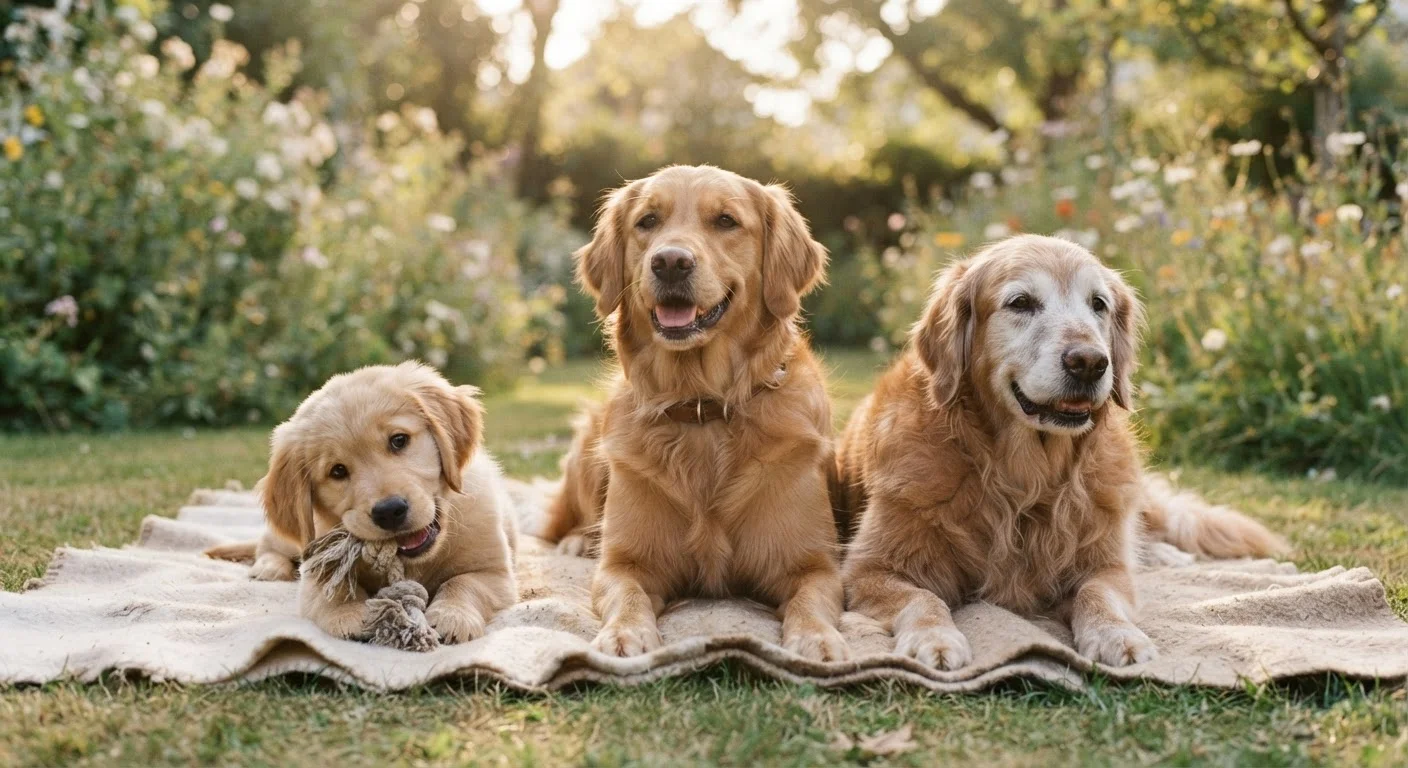
You adopted the dog you fell in love with — not necessarily the one whose exercise demands perfectly match your lifestyle. A retiree ends up with a young border collie. A busy parent brings home a husky puppy. A marathon runner adopts a senior basset hound. These mismatches are common, and they're not failures. They just require a thoughtful plan.
Breed gives you a rough starting point. Working breeds — herding dogs, terriers, sporting dogs — were developed for sustained physical activity and mental engagement. Companion breeds and brachycephalic (flat-faced) dogs like bulldogs or pugs have lower physical demands by design. But within any breed, individual dogs vary widely. Some retrievers are couch potatoes; some chihuahuas have boundless energy. Temperament, health history, and age all shape what your specific dog actually needs.
Understanding that gap between what your dog needs and what you naturally provide is the first step toward bridging it practically. Your dog's exercise needs will also shift across life stages, so any plan should be revisited as they age.
Best Practices for Exercising a High-Energy Dog When You're Not
If your dog has more drive than you do, the goal isn't to match their pace — it's to meet their needs through a combination of strategies that don't deplete you.
Use structured playtime instead of just walks
Fetch, tug, and chase games deliver intense physical output in a short window, which is more efficient than a long slow walk for burning a high-drive dog's energy. Fifteen minutes of active fetch can tire a dog more thoroughly than a 45-minute stroll.
Tap into dog sports and group classes
Agility, nosework, dock diving, and similar activities are specifically designed to challenge working dogs mentally and physically. Classes also offload some of the owner's direct energy expenditure onto structured instruction.
Distribute exercise across multiple shorter sessions
Three 20-minute outings are easier on the owner than one 60-minute walk, and for many dogs, the variety of multiple outings keeps engagement higher than a single long outing.
Leverage sniff walks as low-effort, high-reward outings
Allowing a dog to stop and sniff freely engages their brain significantly — research in animal behavior suggests that mental engagement from sniffing can reduce overall arousal levels effectively. This approach requires little physical effort from the owner.
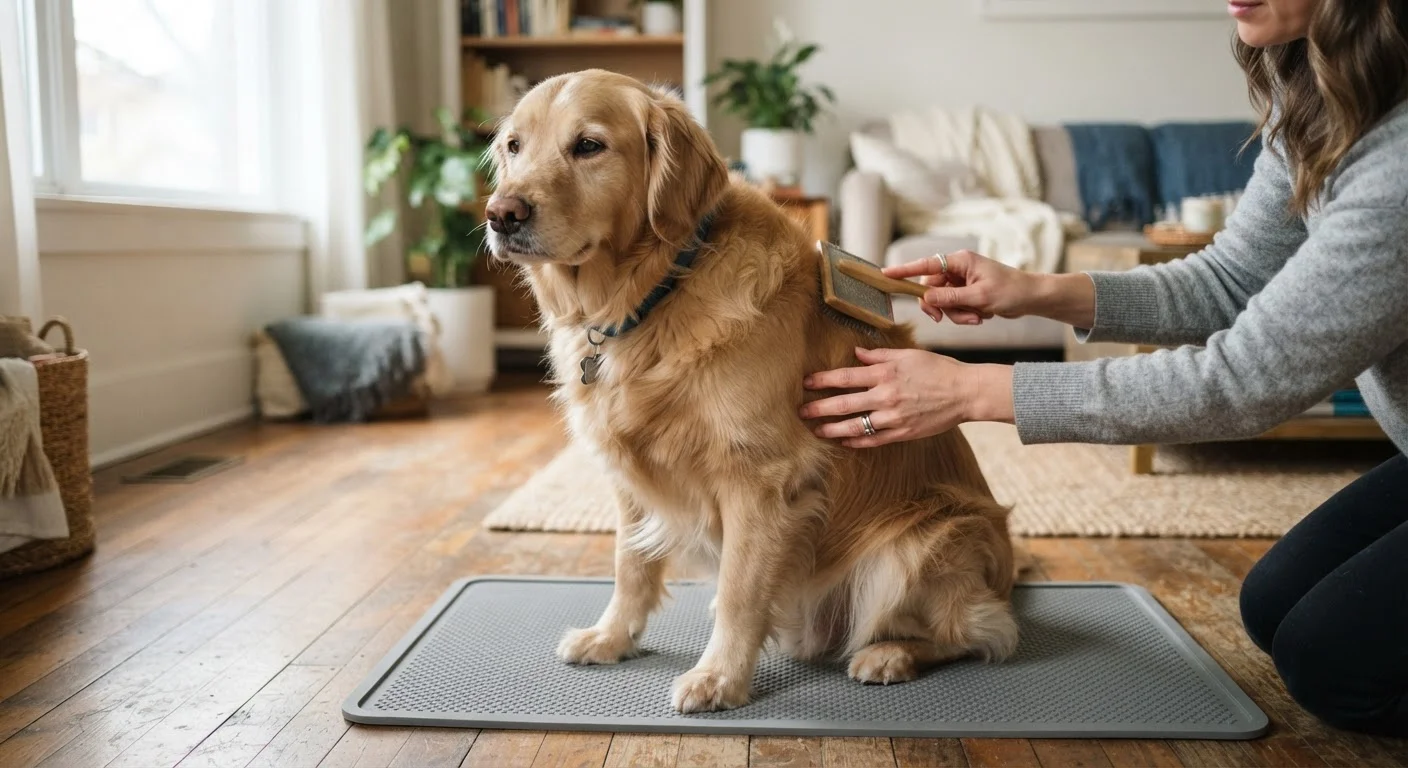
When physical output alone feels overwhelming, remember that mental work is genuinely tiring for dogs. Keeping your dog mentally stimulated indoors can take the edge off on days when a long walk simply isn't happening.
Exercising a Low-Energy Dog Without Letting Them Stagnate
Owners of low-drive or senior dogs sometimes err in the opposite direction — skipping exercise because the dog doesn't demand it. But regular, gentle movement supports joint health, healthy weight, and mood in dogs of all energy levels.
Short, consistent walks are more beneficial than occasional longer outings for older or less active dogs. Aim for two to three gentle walks daily rather than one extended effort. Let your dog set the pace and sniff freely — sniffing is cognitively enriching and counts as engagement, not just dawdling. Keep sessions predictable; routine helps low-energy dogs stay comfortable and willing.
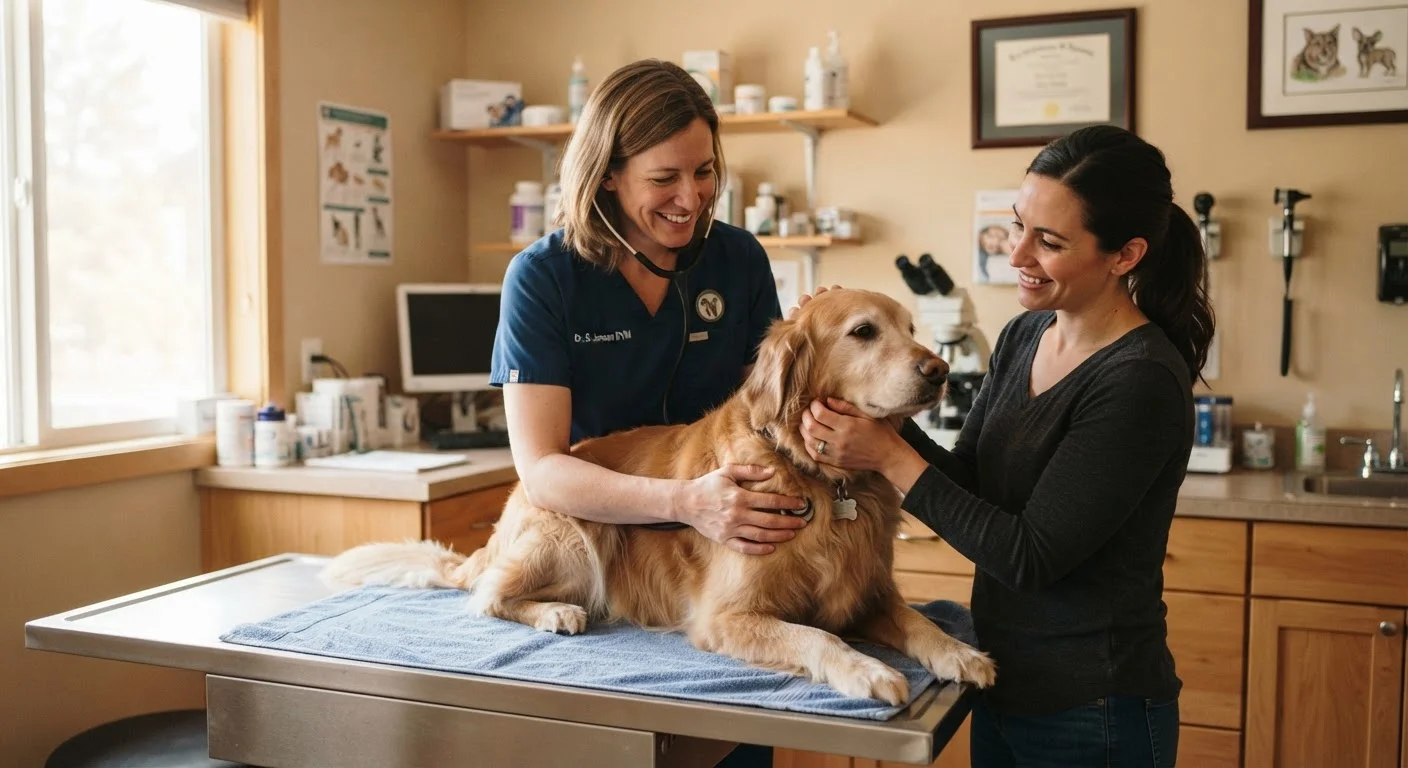
If your dog has a health condition that affects mobility, always get your veterinarian's guidance before adjusting their activity level. Some conditions benefit from specific types of movement, while others require restriction. Your vet is your best resource for building a safe plan tailored to your individual dog.
Building a Routine That's Honest About Your Life
The best exercise plan is one you'll actually follow. An ambitious schedule that collapses after two weeks helps no one. Be realistic about your work schedule, physical limitations, and available help.
Consider what support systems are available to you. Dog walkers, trusted neighbors, doggy daycare, and dog parks can all share the physical exercise load on your busiest days. Structured playdates with compatible dogs are another way to let your dog burn energy socially without requiring you to run alongside them.
Also think about diet alongside activity. A dog that's under-exercised relative to their caloric intake can gain weight over time. Common mistakes in feeding schedules can quietly compound the effects of too little movement, so it's worth reviewing both together. Food format choices can also play a role in energy management for some dogs.
The goal isn't perfection — it's consistency, honesty, and a willingness to adapt as your dog's needs change and as your own life evolves.