
Why Life Stage Care Matters
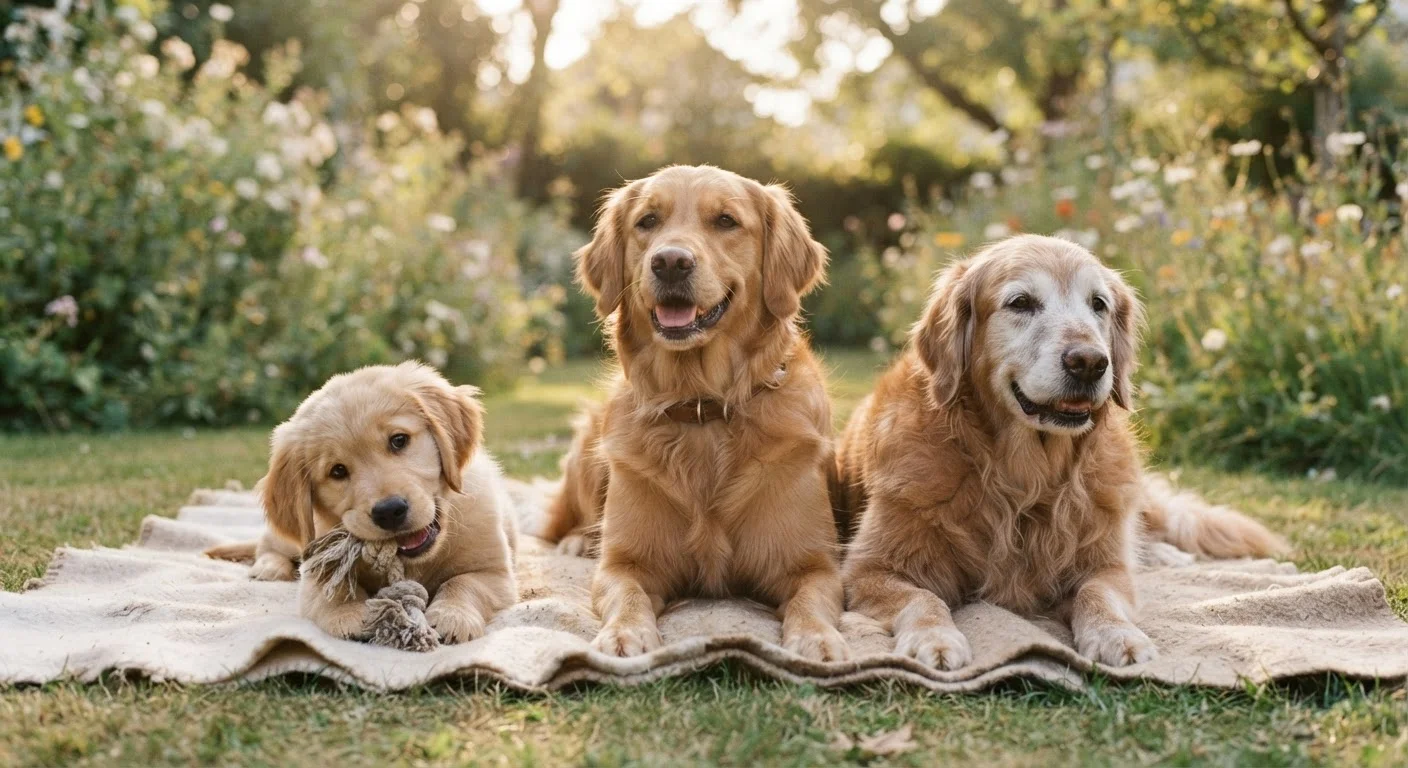
A dog at eight weeks old and the same dog at eleven years are, in many meaningful ways, completely different animals to care for. Their caloric needs, exercise tolerance, immune status, behavioral tendencies, and vulnerability to disease all shift substantially over time. Treating a senior dog like an adult, or an adult dog like a puppy, leads to gaps — and sometimes real harm.
Understanding what your dog needs at each life stage isn't about following a rigid checklist. It's about knowing what's normal so you can spot what isn't. That awareness is what lets you act early, communicate clearly with your vet, and make decisions that genuinely serve your dog's wellbeing.
7 years
Age most vets consider a dog "senior"
Veterinary consensus generally places the senior threshold at around seven years, though this varies by breed size — larger breeds may age faster.
16 weeks
Close of the primary socialization window
According to the American Veterinary Society of Animal Behavior, the socialization window closes around 12–16 weeks, making early exposure critical.
2x per year
Recommended vet visits for senior dogs
Most veterinary guidelines recommend twice-yearly wellness exams for dogs age seven and older to catch age-related conditions early.
The Puppy Stage: Building the Foundation
Puppyhood typically spans from birth to around twelve months, though large and giant breeds may remain in this stage until eighteen months to two years. This period is defined by rapid physical development and an extraordinarily sensitive window for learning and socialization.
Socialization and Training
The socialization window — roughly three to sixteen weeks — is when a puppy is most open to accepting new experiences as normal. Missing this window doesn't doom a dog, but it makes later exposure harder. Introduce your puppy to a wide range of people, environments, sounds, and animals in a calm and positive way.
During puppyhood, introduce your dog to a wide variety of sounds, surfaces, people, and animals — not just other dogs. Breadth of early exposure is more protective against future anxiety than depth in any single area.
The socialization window is short and its effects are lasting; dogs exposed to diverse stimuli early are statistically less likely to develop fear-based behavioral problems.
For senior dogs, swap one long daily walk for two or three shorter, gentler outings. Consistent movement matters more than intensity at this stage.
Regular low-impact activity supports joint health and cognitive function in older dogs, while long exertions can strain aging muscles and joints.
Nutrition During Puppyhood
Puppies need more calories per pound of body weight than adult dogs, along with specific ratios of calcium and phosphorus to support bone development. Puppy-formulated food — rather than adult food — is designed to meet these needs. If you're uncertain about the right format, our overview of wet food versus dry food explains the trade-offs in plain terms.
Early Vet Care
Puppies require a series of vaccines over their first several months, along with parasite prevention and a spay or neuter discussion with your vet. For new dog owners navigating this phase for the first time, this foundational guide is a helpful starting point before day one.
Start Vet Relationships Early
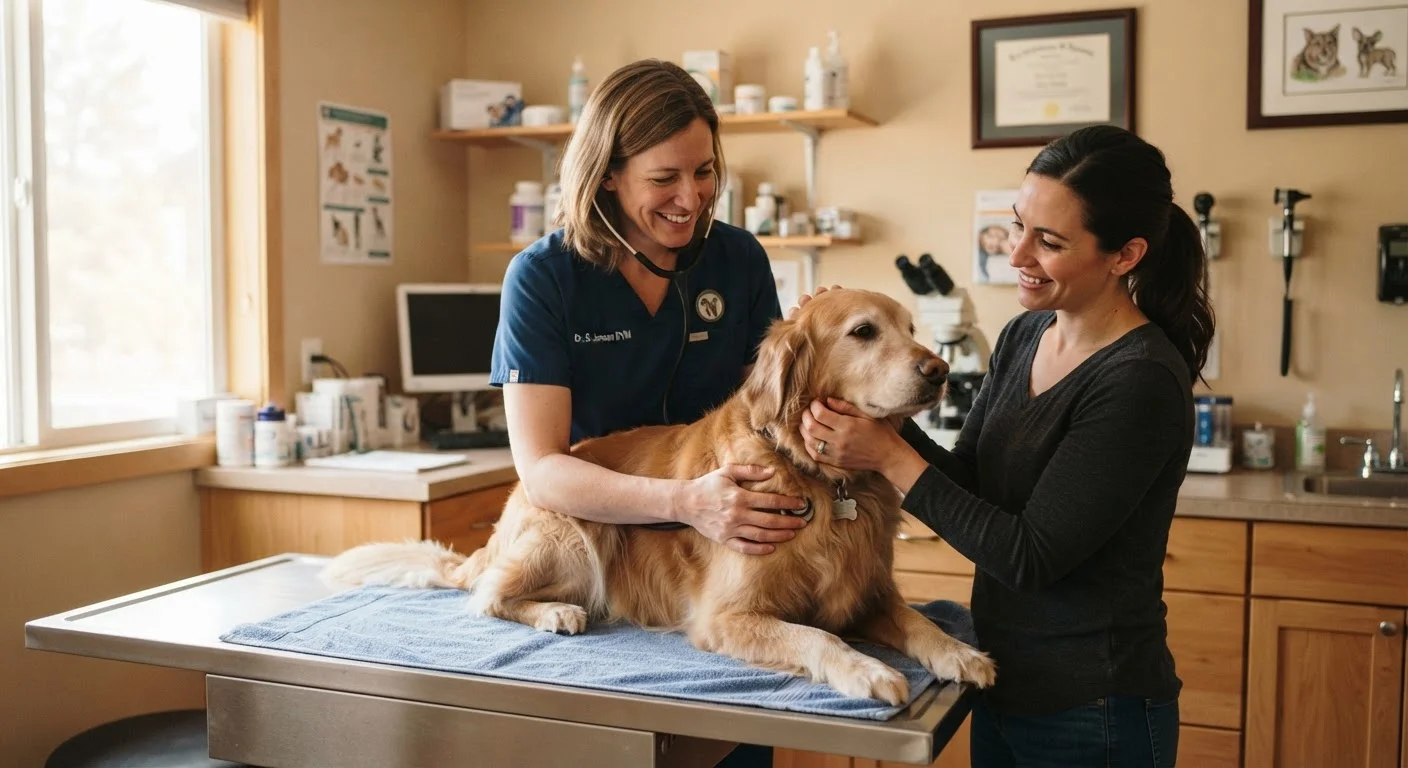
Bringing a puppy in for a wellness visit before any health problems arise helps establish a baseline and builds trust with your veterinary team. Dogs who visit the vet only when sick are more likely to associate the experience with stress, making future care harder for everyone.
The Adult Years: Maintaining Health and Routine
The adult stage — generally from one to seven years, depending on breed size — is often the most stable period in a dog's life. Physical development is complete, behavioral patterns are more predictable, and care needs are relatively consistent year to year. That stability, however, can make it easy to let routine care slide.
Exercise and Mental Stimulation
Adult dogs need regular physical activity matched to their breed and individual temperament. A working-breed dog and a laid-back companion breed have very different requirements. If your dog's energy level doesn't match yours, this guide on mismatched energy offers practical strategies for both ends of the spectrum.
Grooming and Dental Health
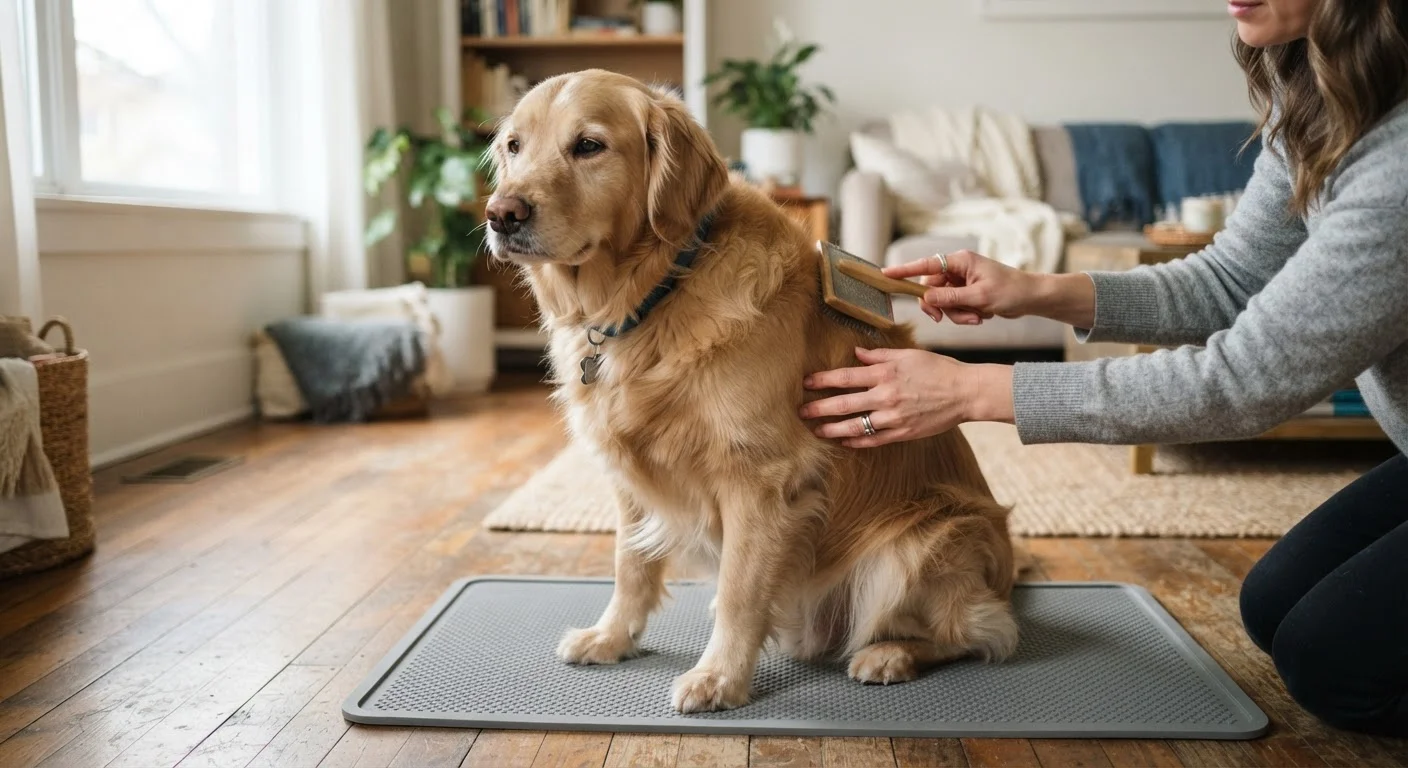
A consistent grooming routine matters more in adulthood than many owners realize. Regular brushing, nail trims, and ear checks keep small problems from becoming larger ones. Our home grooming guide walks through building a routine your dog will actually tolerate.
Annual Wellness Exams
Once-yearly vet visits are the standard recommendation for healthy adult dogs. These checkups allow your vet to catch weight changes, dental disease, heart murmurs, and other early-stage conditions before they progress.
The Senior Years: Adapting for Comfort and Longevity
Most dogs are considered senior around age seven, though this varies meaningfully by size. Larger breeds age faster — a seven-year-old Great Dane is biologically older than a seven-year-old Chihuahua by a significant margin.
Breed Size Affects the Timeline
A Great Dane may be considered senior at five or six years, while a small terrier mix might not reach that threshold until nine or ten. Ask your vet when your specific dog's life stage transitions are expected, rather than relying on general age rules alone.
Adjusted Nutrition
Senior dogs often benefit from food formulated for their life stage, which typically contains fewer calories (to offset reduced activity) and may include joint-supporting nutrients like glucosamine. Kidney and liver function can decline with age, which sometimes calls for dietary modifications — your vet can help determine if a prescription diet is appropriate.
Exercise: Less Intensity, More Consistency
Older dogs still need movement. The goal is to maintain muscle mass and joint mobility without overexertion. Shorter, more frequent outings tend to work better than one long daily walk. Swimming is an excellent low-impact option for dogs with arthritis.
Monitoring for Age-Related Conditions
Common senior concerns include arthritis, dental disease, vision or hearing loss, hypothyroidism, and canine cognitive dysfunction — a condition with symptoms similar to dementia. Weight changes in either direction also deserve attention.
Don't Dismiss Behavioral Changes in Seniors
Increased confusion, altered sleep patterns, or reduced interest in play in an older dog are not simply "slowing down" — they can be signs of canine cognitive dysfunction or pain. These changes deserve a conversation with your vet, not a wait-and-see approach.
When to Call the Vet at Any Stage
Across every life stage, some signs should always prompt a call to your veterinarian rather than a wait-and-see approach. These include sudden changes in appetite or thirst, unexplained weight loss or gain, vomiting or diarrhea lasting more than 24 hours, limping or reluctance to move, labored breathing, and any signs of pain such as whimpering, guarding a body part, or difficulty getting comfortable.
Vaccination Schedules Change With Age
Puppies require a series of initial vaccines, adults need periodic boosters, and seniors may have modified needs based on lifestyle and health status. Work with your vet to keep your dog's immunization plan current at every stage. For a deeper look at how vaccines are categorized, see our guide on core vs. non-core canine vaccines.
Your instincts as an owner matter. If something feels off — even if you can't name it — that's a valid reason to make the call. Vets would far rather discuss a concern that turns out to be minor than miss something significant.
The more you understand about what's typical at each stage of your dog's life, the better equipped you are to notice when something falls outside that range. That knowledge, more than any product or protocol, is the foundation of good lifelong care.
This article is intended for general informational purposes only and does not constitute veterinary advice. Always consult a licensed veterinarian for guidance specific to your dog's health and circumstances.