
Is a Dog the Right Fit for Your Life Right Now?
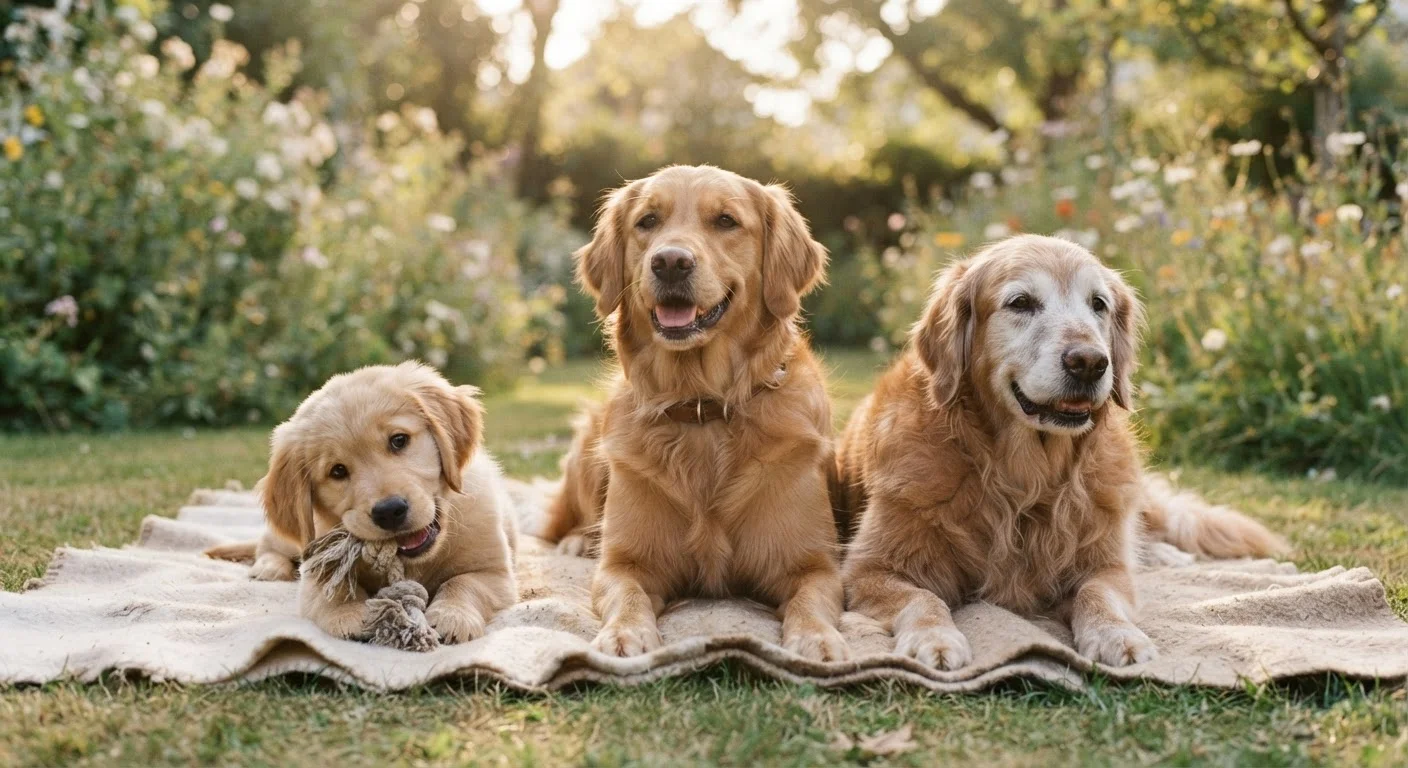
Getting a dog is one of the most rewarding decisions a person can make — but it's also one that deserves honest reflection before it happens. Dogs are social animals that thrive on attention, structure, and physical activity. They don't do well with long stretches of isolation, and their needs don't pause for busy weeks or vacations.
Ask yourself a few grounding questions: Do you have a stable housing situation that allows pets? Can your budget absorb food, routine vet care, and unexpected medical costs? Do your daily hours realistically allow for walks, training, and companionship? If you're comparing pet options, it's worth reading what first-time cat owners face — the commitment levels are genuinely different.
Breed research matters here too. A high-energy working dog in a small apartment with limited outdoor time is a setup for frustration on both sides. Matching a dog's energy level and social temperament to your lifestyle isn't about finding a perfect dog — it's about setting both of you up to succeed.
Positive reinforcement
A training method that rewards desirable behaviors — with treats, praise, or play — to encourage the dog to repeat them. It avoids punishment and builds trust.
Socialization
The process of gradually and positively exposing a young dog to a wide variety of people, environments, sounds, and other animals to help them grow into a confident adult.
AAFCO
The Association of American Feed Control Officials — a body that sets nutritional standards for pet food in the U.S. A label stating the food meets AAFCO standards is a basic quality signal.
Housetraining
Teaching a dog to eliminate outdoors (or in a designated indoor spot) rather than inside the home. Consistency, timing, and positive reinforcement are the core tools.
Microchipping
Implanting a small chip under the dog's skin that carries a unique ID number. When scanned at a shelter or vet, it can link a lost dog back to the owner via a registry.
Enzymatic cleaner
A cleaning product containing enzymes that fully break down the organic compounds in pet urine and feces. Unlike regular cleaners, it removes the odor completely, reducing the chance a dog returns to the same spot.
Preparing Your Home Before Day One
Puppy-proofing isn't just for puppies. Any new dog exploring an unfamiliar home can get into trouble with surprising speed. Walk through each room at a dog's eye level and look for dangling cords, accessible trash bins, toxic houseplants, and gaps behind appliances where a curious animal could get stuck.
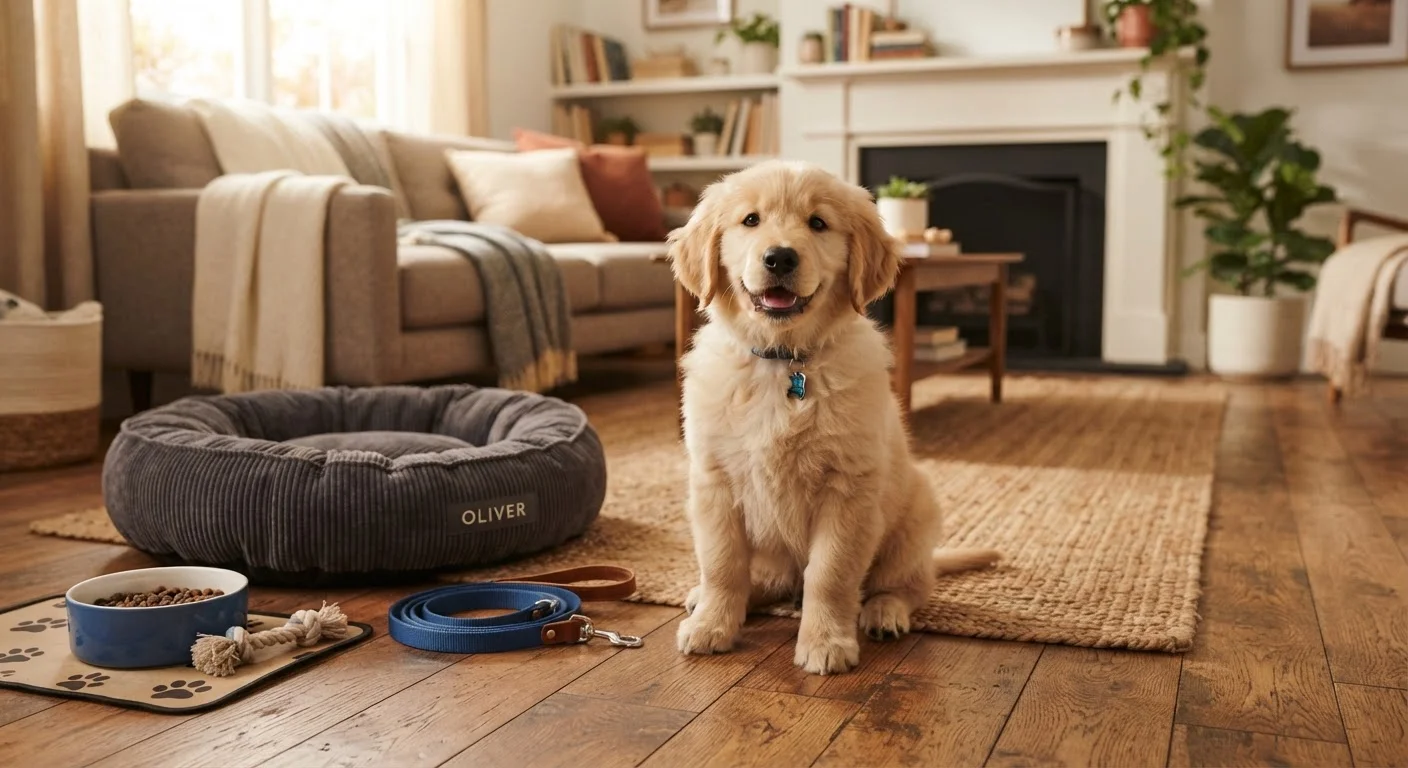
Before your dog arrives, have these essentials in place:
- A designated sleep space — a crate or dog bed in a calm, low-traffic area
- Food and water bowls in a consistent spot
- A leash, collar, and ID tag — the ID tag matters immediately, even before microchipping appointments are scheduled
- Safe chew toys to redirect exploratory behavior
- Enzymatic cleaner for inevitable accidents during the adjustment period
Designate one area of the home as your dog's initial territory and gradually expand access as they earn trust and demonstrate calm behavior. This graduated introduction helps prevent overwhelm and makes housetraining more manageable.
What Your Dog Needs From You Every Day
Dogs have four core daily needs: nutrition, physical exercise, mental stimulation, and social connection. Neglecting any one of them over time tends to show up as behavioral problems — chewing, barking, anxiety, or withdrawal.
Feeding: Most adult dogs do well with two measured meals per day at consistent times. Free-feeding (leaving food out all day) can make it harder to monitor appetite changes, which are often early signs of illness.
Exercise: The amount depends heavily on breed and age. A daily walk is a floor, not a ceiling. Many dogs also benefit from off-leash time, play sessions, and mental challenges like puzzle feeders or basic training exercises.
Training: Even five minutes of daily practice reinforces the communication between you and your dog. Positive reinforcement — rewarding desired behaviors with treats, praise, or play — is the approach most supported by behavioral science and recommended by veterinary organizations.
For a longer view of how these needs shift over time, our guide on caring for a dog through every life stage is a helpful companion read.
Make Training Sessions Short and Frequent
Dogs learn better in brief, focused sessions than in long, drawn-out ones. Aim for five to ten minutes, two or three times a day rather than one 30-minute block. Ending each session on a success — something the dog does well — keeps motivation high and builds positive associations with training time.
Veterinary Care: Starting on the Right Foot
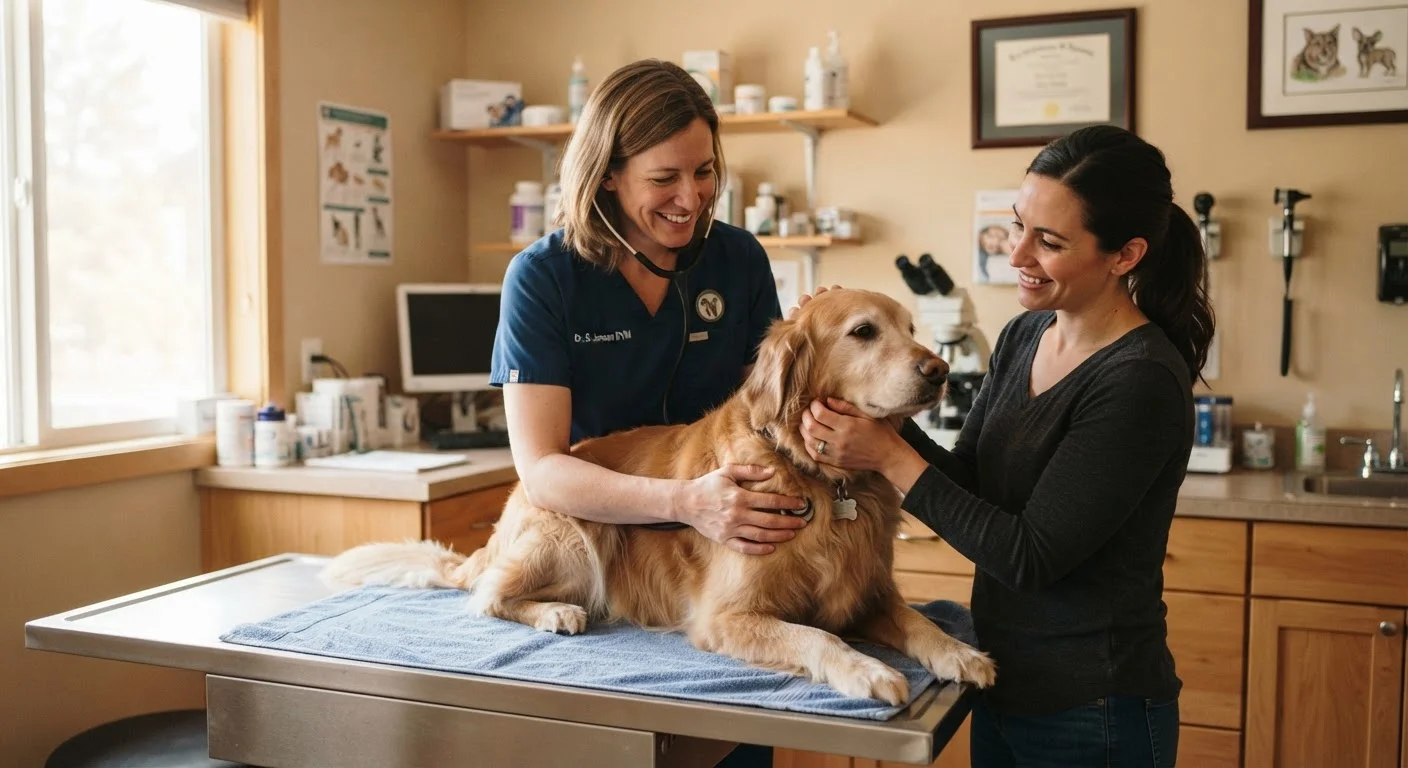
Schedule a vet visit within the first week of bringing your dog home — ideally before, if you can find a practice in advance. Your vet will confirm or establish a vaccination schedule, test for intestinal parasites, discuss flea and tick prevention, and assess your dog's overall health baseline.
For puppies, this initial period involves a series of core vaccines (distemper, parvovirus, and rabies, among others) spaced over the first several months. Adult rescue dogs may have partial records, and your vet can help you understand what's current and what may need catching up.
Microchipping, if not already done, is something most vets can perform at the first visit. It's a permanent form of identification that significantly increases the chance of reunion if your dog ever gets lost.
Knowing what to expect at the vet — and how to prepare your dog for the experience — helps the visit go more smoothly for everyone. Our piece on preparing your dog for a vet visit without the drama walks through that process in detail.
Building a Routine That Works for Both of You
Dogs are creatures of habit in the best possible way. Predictable schedules reduce anxiety, speed up housetraining, and make it easier for your dog to understand what's expected. Try to feed, walk, and engage with your dog at roughly the same times each day — even on weekends.
The first few weeks set patterns that can last years. If you allow behaviors now that you won't want later (jumping on guests, sleeping on the couch, demanding food from the table), reversing them takes considerably more work than preventing them from the start.
Socialization during this early window is also important — gradually and positively exposing your dog to different people, sounds, environments, and other animals helps them develop into a confident, adaptable companion. Go at your dog's pace and keep experiences positive rather than overwhelming.
Owning a dog for the first time is genuinely a learning curve, but it's one that millions of people navigate successfully every year. With some preparation, a little patience, and the right information, you're already starting from a good place.
This article is for general informational purposes and does not substitute for advice from a licensed veterinarian. Always consult your vet for guidance specific to your dog's health and needs.