
Why Vet Visits Feel So Hard — and How Preparation Changes That
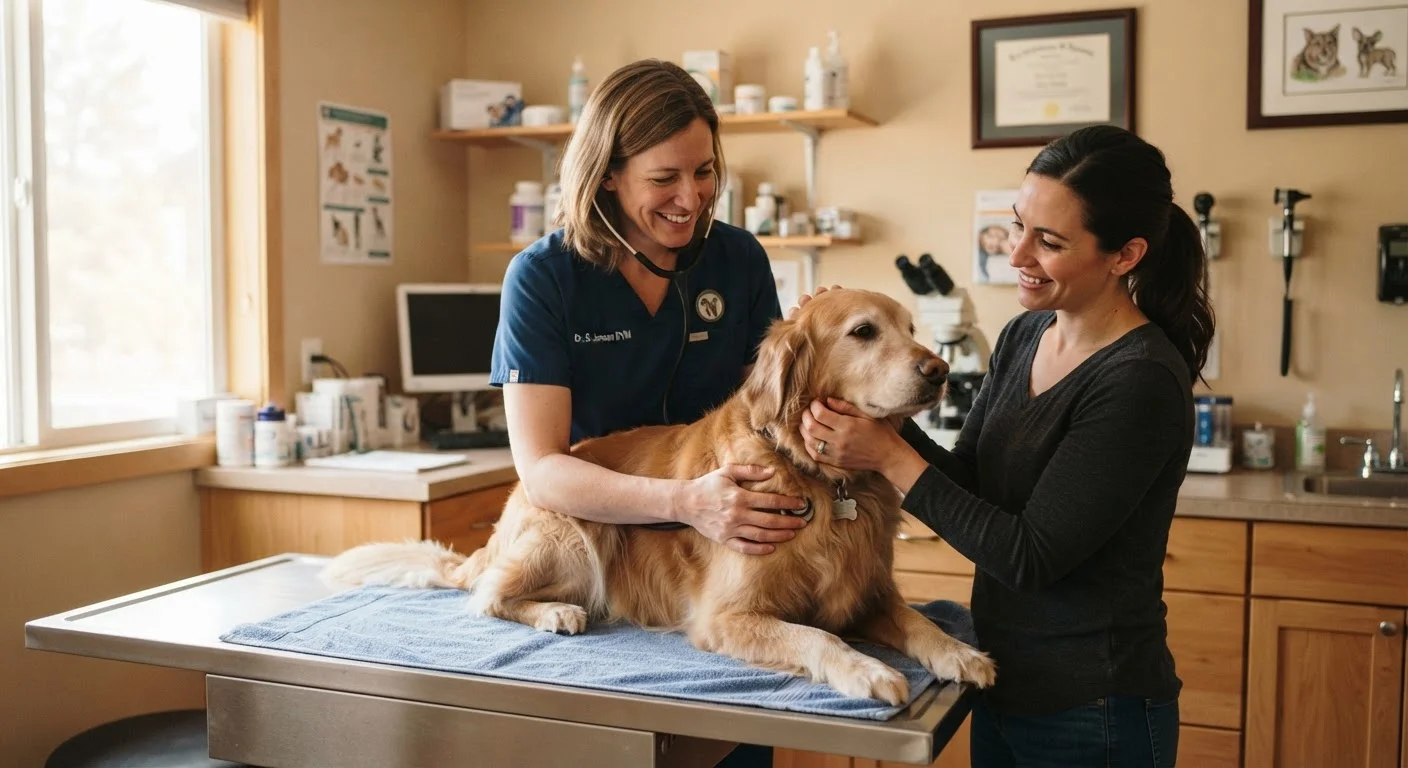
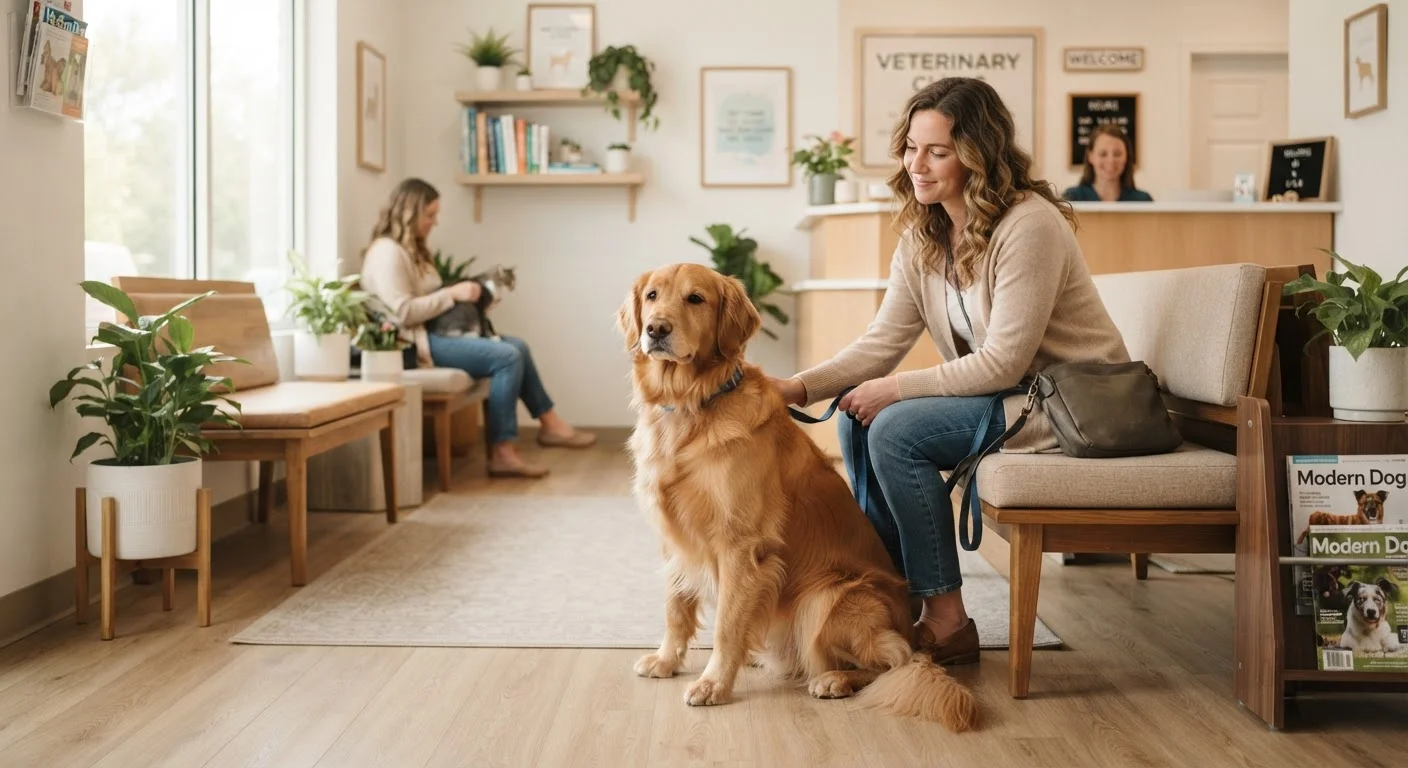
For many dogs, a veterinary clinic is a high-stimulation environment full of unfamiliar smells, sounds, and strangers touching them in unexpected ways. It's no surprise that anxiety is one of the most common reasons owners dread these appointments — not just for their dog's sake, but because the ripple effect of a stressed dog makes everything harder for everyone in the room.
The good news is that most of what makes vet visits stressful is predictable, and predictable problems respond well to preparation. The checklist below breaks the process into four manageable phases — before, the morning of, at the clinic, and questions to bring. Work through it at your own pace and your next appointment may feel surprisingly different.
If you're new to dog ownership and still building a care routine, our guide for first-time dog owners covers the foundational habits — including establishing a vet relationship early — that make all of this easier down the road.
Sealable sample container
Used to collect and transport a fresh stool sample for fecal parasite testing.
High-value treats
Reinforces calm behavior during handling practice and throughout the exam.
Familiar blanket or toy
Provides a scent-based comfort anchor in an unfamiliar environment.
Written list of concerns
Ensures you don't forget symptoms or questions under the pressure of the appointment.
Health records folder
Organizes vaccination history, test results, and medication information for quick reference at the clinic.
Using This Checklist
The items below are organized by when to act, not just what to do. Starting even two or three days before the appointment gives you time for the preparation that matters most — particularly the handling and desensitization exercises that help your dog arrive calmer rather than reactive.
Each item is marked as must (non-negotiable for a safe, productive visit), should (strongly recommended for most dogs), or nice to have (helpful when time and circumstances allow). If you're short on time, prioritize the must items and add the others as your routine develops.
Days Before the Appointment
The Morning of the Visit
At the Clinic
Questions to Have Ready
Once you're comfortable with routine wellness visits, it's worth understanding the vaccination decisions involved. Our overview of core vs. non-core vaccines explains how vets categorize immunizations and what factors shape your dog's individual schedule — useful background before your next conversation with your vet.
Making It Easier Over Time
A single well-prepared visit starts building a new pattern. Dogs that visit the vet regularly — and are rewarded for calm behavior each time — tend to show measurably less stress at follow-up appointments. Veterinary behaviorists refer to this as habituation: the reduction in fear responses that comes from repeated, non-threatening exposure to a stimulus.
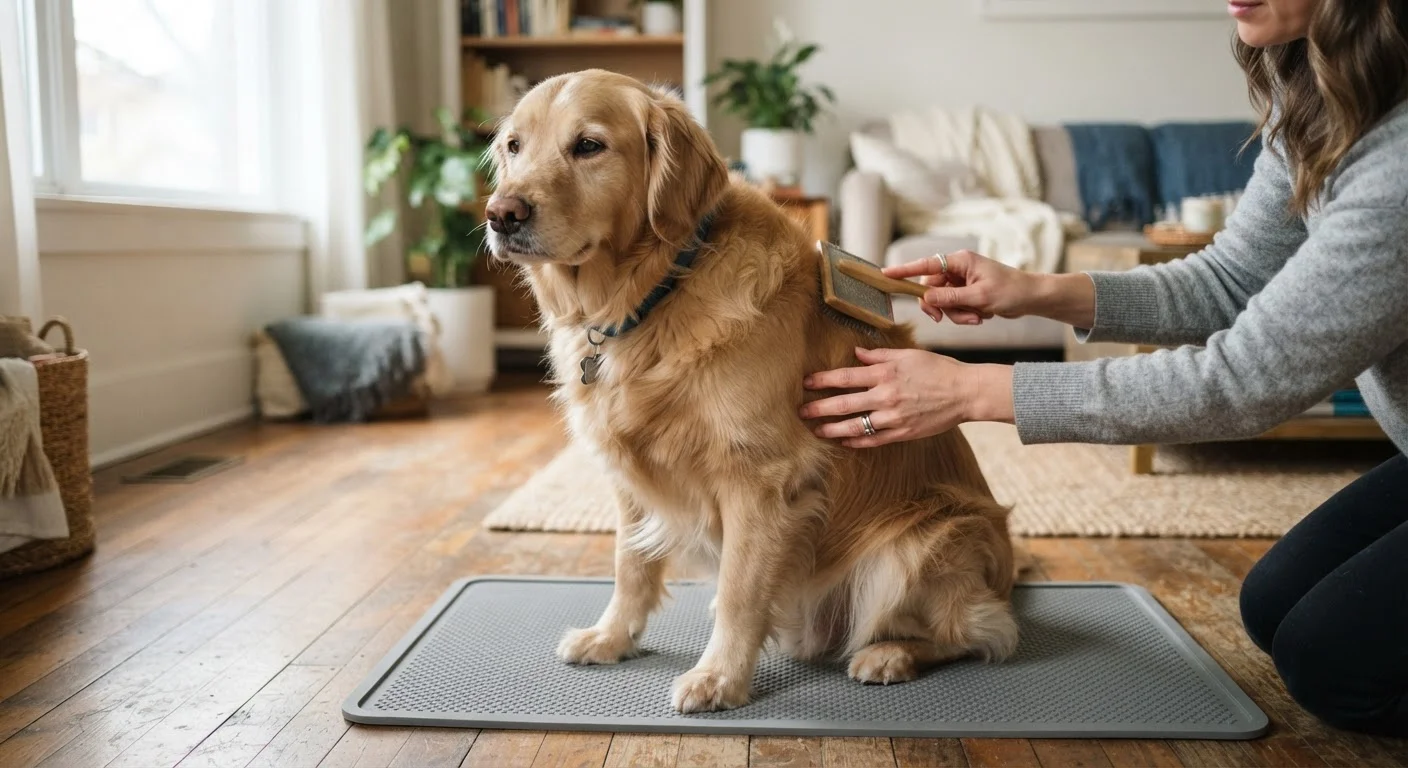
You can support this at home too. Handling exercises (touching ears, lifting paws, opening mouths) are a natural extension of a good grooming routine. If you're not sure how to approach that, our home grooming routine guide walks through the process in a way that doubles as low-key desensitization training.
Don't Skip Food Restrictions Without Asking
While limiting food two to three hours before a visit works well for most dogs, those with diabetes, hypoglycemia, or certain other conditions may need to eat on a regular schedule. Always confirm with your veterinarian if you're unsure whether food withholding is appropriate for your specific dog.
Avoid Sedating Your Dog Without Guidance
Over-the-counter calming products vary widely in effectiveness and safety. Some supplements and medications can interfere with exam findings or interact with treatments given at the clinic. If you believe your dog needs pharmaceutical support for severe anxiety, discuss options with your vet beforehand — never administer anything without their input.
For context on what the visit itself typically involves, see our related article on what to expect at an annual wellness exam — while written with feline visits in mind, much of the structure applies to dogs as well.
This article is for general informational purposes only and does not constitute veterinary medical advice. Always consult a licensed veterinarian for guidance specific to your dog's health and circumstances.