
Why Routine Exams Matter More Than They Might Seem
It's easy to feel like a vet visit is unnecessary when your cat seems perfectly fine. But annual wellness exams serve a purpose that goes well beyond vaccinations — they establish a baseline for your individual cat's normal, making it much easier to detect deviation over time.
Cats are notoriously good at masking discomfort. A condition like early kidney disease or hyperthyroidism can progress quietly for months before any owner-visible signs appear. A vet who sees your cat regularly will notice a two-pound weight shift or a subtle change in coat texture that wouldn't register to someone seeing the cat for the first time.
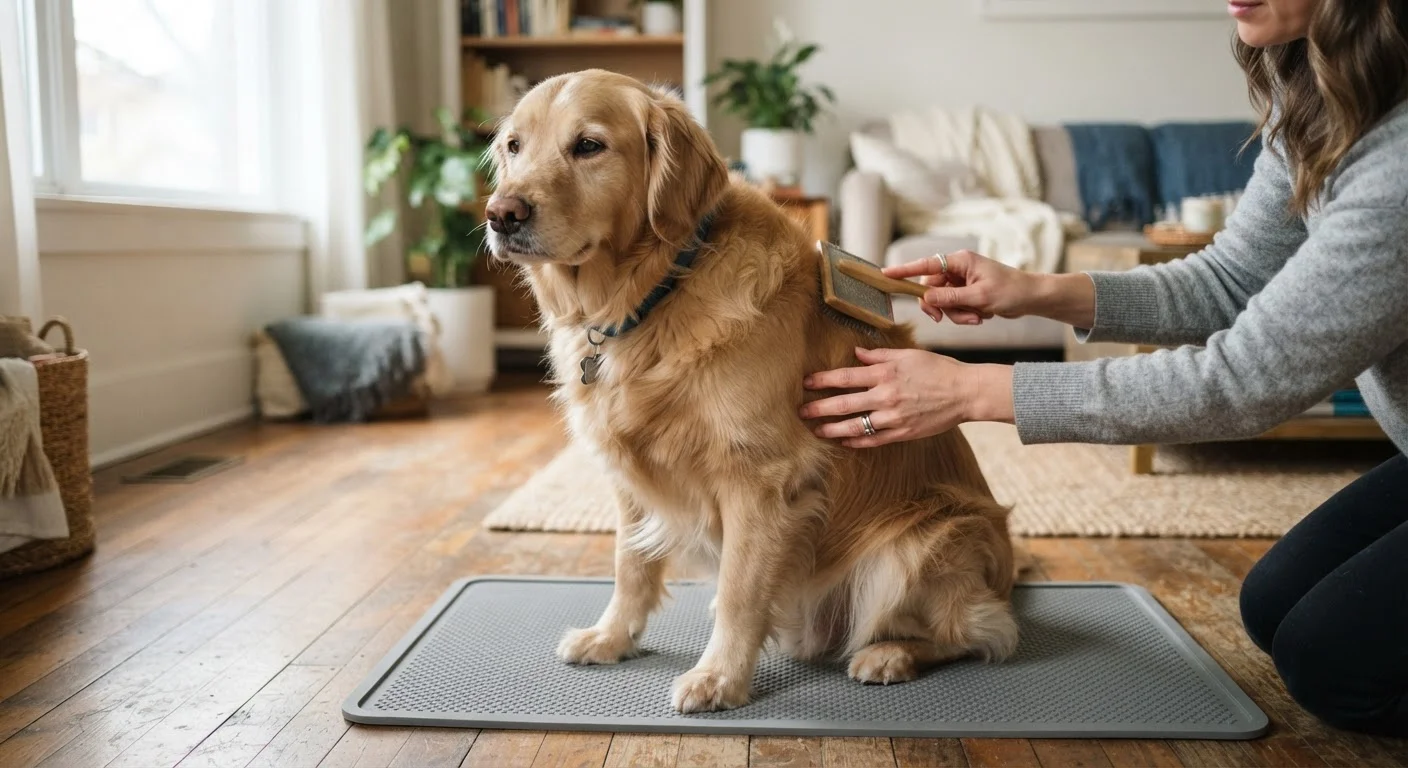
Supporting your cat's health also extends into daily life at home. A structured daily routine can reduce stress-related health issues and make it easier to notice when something is off — an important complement to what professional exams provide.
Cats Hide Illness Very Well
By instinct, cats conceal signs of pain or disease until symptoms become difficult to ignore. This makes routine professional exams especially important — subtle changes in weight, coat quality, or organ feel that you might never notice at home can signal something worth investigating early.
What You'll Need Before the Appointment
A little preparation goes a long way toward making the experience smooth for you and low-stress for your cat.
What you will need
Cat Carrier
Safely transports your cat to and from the clinic with minimal stress.
Written Question List
Keeps you focused during the appointment so nothing important gets forgotten.
Fecal Sample Container
Allows the vet to screen for intestinal parasites if requested in advance.
Previous Health Records
Gives the vet a baseline for comparing current findings, especially at a new practice.
Step-by-Step: Navigating the Visit
Prepare Your Cat and Your Carrier Before the Day
Leave the carrier out at home for several days before the appointment rather than bringing it out only on the day of the visit. Place a familiar blanket or worn t-shirt inside so the carrier smells like home. A calmer cat on arrival makes the exam easier for everyone — including your cat.
Check In and Settle in the Waiting Area
Arrive a few minutes early so you're not rushed. Keep the carrier elevated off the floor if possible — at eye level feels safer to most cats than ground level where dogs may approach. Let the front desk know if your cat is particularly stressed so staff can seat you away from high-traffic areas or offer a separate waiting space.
Understand What the Physical Exam Covers
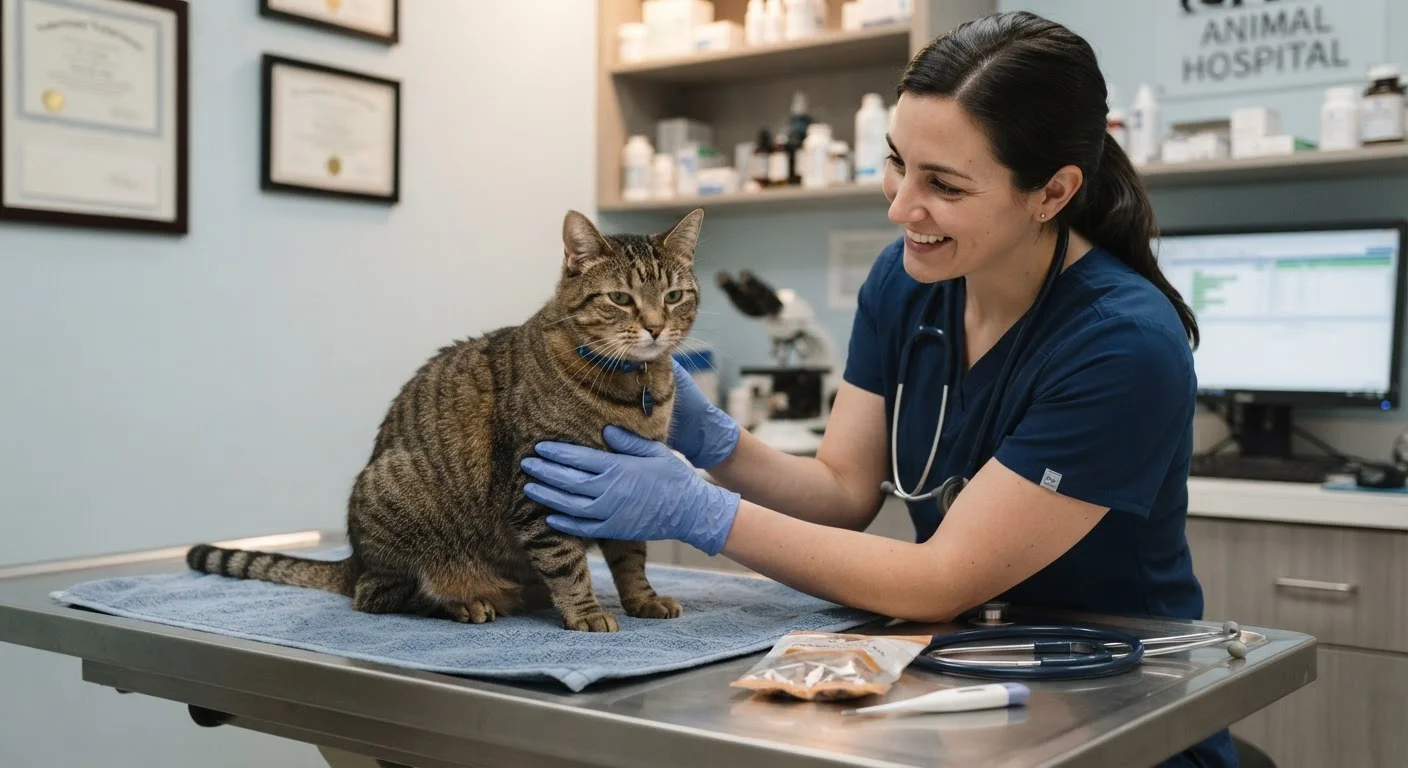
Once in the exam room, your vet will conduct a systematic head-to-tail assessment. This typically includes:
- Weight and body condition — changes of even half a pound in a small cat can be significant
- Eyes, ears, and nose — checked for discharge, cloudiness, or inflammation
- Teeth and gums — dental disease is among the most common cat health issues; see our guide to feline dental health for more detail
- Heart and lungs — listened to with a stethoscope for murmurs or irregular breathing
- Abdomen — gently palpated to check organ size and detect discomfort
- Coat and skin — assessed for parasites, lumps, or texture changes
Discuss Vaccinations and Parasite Prevention
Your vet will review which vaccines are due based on your cat's age, lifestyle, and local disease risk. Core vaccines — typically rabies and feline distemper combination — are standard for most cats. Non-core vaccines, such as feline leukemia virus, depend on whether your cat goes outdoors or lives with other cats. Parasite prevention recommendations will also vary by region and lifestyle.
Ask Your Prepared Questions
This is the moment your written list earns its place. Useful questions to consider asking include:
- Is my cat's weight appropriate, and should I adjust feeding amounts?
- Are there any early signs I should monitor between now and next year?
- At what age should we consider additional bloodwork or screening tests?
- Is my cat's current diet meeting their nutritional needs?
- What behavioral changes would warrant an unscheduled visit?
If your cat is a kitten or newly adopted, our new cat owner guide covers additional baseline questions worth raising early.
Schedule the Next Appointment Before You Leave
Book the following year's wellness visit before you walk out the door. If your cat is seven or older, ask your vet whether twice-yearly exams make sense — senior cats benefit from more frequent monitoring as age-related changes can progress quickly. Confirm how the clinic prefers to be contacted if concerns arise between visits.
Bring Notes From Home
Jot down any behavioral changes, appetite shifts, or litter box patterns you've noticed in the weeks before your appointment. Even details that seem minor — drinking more water, sleeping in new spots — give your vet useful context that a physical exam alone can't provide.
After the Visit: What to Do With What You Learned
Take a few minutes after you get home to write down what the vet found and any instructions given. It's easy to forget specific guidance once the stress of the carrier ride home is behind you. Note the next due dates for vaccines or follow-up tests and store these with your cat's records.
If the vet flagged something to watch — an early dental concern, a slight weight trend, or a borderline lab value — put a reminder on your calendar to reassess in 60 to 90 days and contact the clinic if anything changes sooner.
This article is for general informational purposes only and is not a substitute for professional veterinary advice, diagnosis, or treatment. Always consult a licensed veterinarian about your cat's specific health needs.