

What to Set Up Before Your Cat Arrives
A little preparation before your cat walks through the door goes a long way. Rather than scrambling on day one, take time to gather the essentials and create a dedicated safe space where your cat can decompress.
At minimum, you'll need:
- A litter box (plus litter) placed in a low-traffic, quiet area
- Food and water bowls — ideally ceramic or stainless steel, which are easier to keep clean than plastic
- A carrier that can double as a cozy den once lined with a soft blanket
- A scratching post — cats scratch instinctively to stretch and maintain their claws
- A few toys to encourage movement and play
Start your cat in one room rather than giving full access to your home immediately. This reduces overwhelm and helps them build confidence before exploring further. See our step-by-step guide to bringing a new cat home for a detailed approach to those critical first days.
Core vaccinations
Vaccines recommended for all cats regardless of lifestyle, typically including rabies and FVRCP (protection against several common feline viruses). Your vet will confirm which are appropriate.
Life stage diet
Cat food formulated for a specific phase of life — kitten, adult, or senior — each providing different nutritional balances to support health at that stage.
Enrichment
Activities, objects, and environmental features that stimulate a cat's natural instincts — climbing, hunting, exploring — to support mental and physical health.
Microchipping
A tiny chip implanted under your cat's skin that carries a unique ID number. If your cat is lost and taken to a shelter or vet, they can scan the chip to reunite you.
Clumping litter
A type of cat litter that forms firm clumps when it contacts moisture, making it easier to scoop waste cleanly and keep the box fresher between full changes.
Understanding Cat Behavior from the Start
Cats communicate differently than dogs, and misreading their signals is one of the most common frustrations new owners face. Understanding a few fundamentals early prevents a lot of confusion.
Hiding isn't a bad sign. A new cat retreating under a bed or into a closet is simply processing a big change. Give them space and let them come to you on their timeline.
Slow blinking signals trust. When your cat makes eye contact and slowly closes their eyes, it's a sign of relaxation. You can mirror this back to them — it's a gentle way to build connection.
Kneading and purring are generally comfort behaviors, though cats sometimes purr when anxious too. Context matters.
Vocalizations vary by cat. Some cats are chatty; others are nearly silent. Neither is a problem — learn what's normal for yours.
Cats also thrive on routine more than most people realize. Feeding at consistent times, maintaining predictable play sessions, and keeping their environment stable all contribute meaningfully to their sense of security. Our article on building a daily routine that keeps your cat mentally healthy goes deeper on this.
Feeding, Litter, and Daily Care Basics
These three things form the backbone of everyday cat care. Getting them right early builds healthy habits for years to come.
Feeding
Feed a complete and balanced diet appropriate for your cat's life stage. Kittens, adults, and seniors have different nutritional needs. Establish a feeding schedule rather than leaving food out all day — this helps you notice changes in appetite, which can be an early health signal. If you're switching from what your cat ate previously, do so gradually over about a week to avoid digestive upset.
Litter Box
Most cats prefer an unscented, clumping litter in an uncovered box large enough to turn around in comfortably. Scoop at least once daily — cats are fastidious and may avoid a dirty box entirely, which leads to accidents elsewhere. Place boxes away from food and water, and never near a loud appliance.
Grooming
Short-haired cats generally groom themselves effectively, but a weekly brush helps reduce shedding and lets you check for skin issues. Long-haired breeds typically need daily brushing. Regular nail trims (every two to three weeks) prevent overgrowth and protect your furniture.
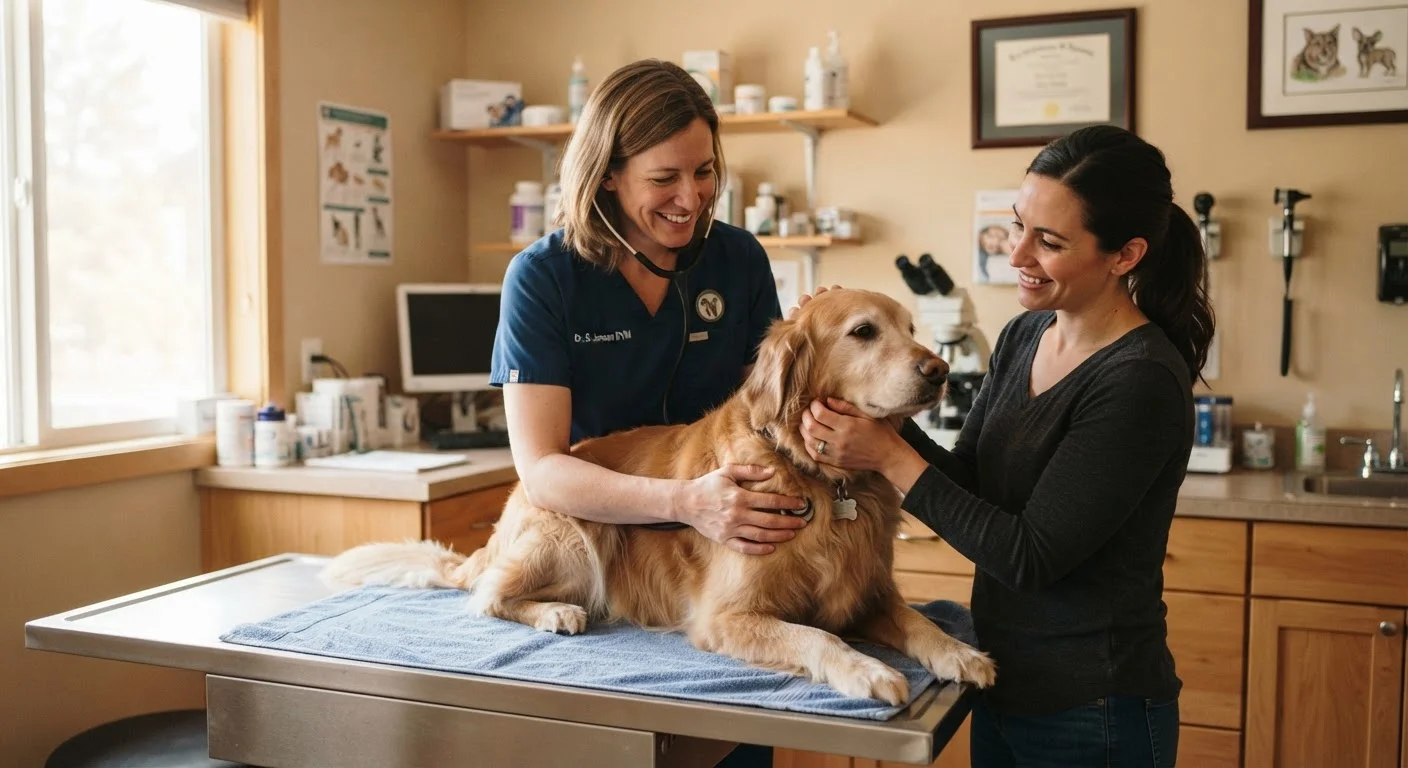
Your Cat's First Vet Visit
Schedule a veterinary appointment within the first week of bringing your cat home, even if they appear healthy. This baseline exam gives your vet a starting point and allows you to address vaccinations, parasite prevention, and spay/neuter status if not already done.
Make the carrier a safe space, not a scary one
Leave your cat's carrier out in the room with the door open, lined with a familiar-smelling blanket. Cats who associate the carrier with comfort are far less stressed during vet visits. You can even feed occasional treats inside it to build a positive connection.
Bring any paperwork from your adoption or breeder, including vaccination records. If your cat came from a shelter, they may already have received core vaccines — your vet will confirm what's current and what's needed next.
Topics to discuss at this first visit:
- Core vaccinations (rabies, FVRCP) and a recommended schedule
- Flea, tick, and heartworm prevention options
- Microchipping if not already done
- Diet and weight management
- Dental care basics
Finding a vet you trust and feel comfortable asking questions is genuinely important. Don't hesitate to ask for clarification on anything — a good veterinarian will welcome the questions.
Building a Life Together
The early weeks with a new cat are about building trust, not achieving perfection. Cats reward patience and consistency, and most new owners are surprised by how quickly a shy or uncertain cat opens up once they feel safe.
Make interactive play a daily habit — even 10 to 15 minutes with a wand toy or feather lure gives your cat meaningful physical and mental stimulation. Cats are natural hunters, and play satisfies that instinct in a healthy, stress-free way.
Keep your home enriched with things to climb, scratch, and observe from. A cat tree near a window, a few puzzle feeders, and rotating toys all help prevent boredom.
If you're thinking about eventually adding another cat to your household, it's worth reading our multi-cat household prep checklist before you make that decision — introductions done well make a significant difference. And if you're curious how the cat ownership experience compares to bringing home a dog, our guide on what new dog owners need to know offers a useful contrast.
Most of all, give yourself grace. You don't need to know everything on day one. Cats are resilient, adaptable creatures — and with a thoughtful, caring approach, the two of you will find your rhythm.