

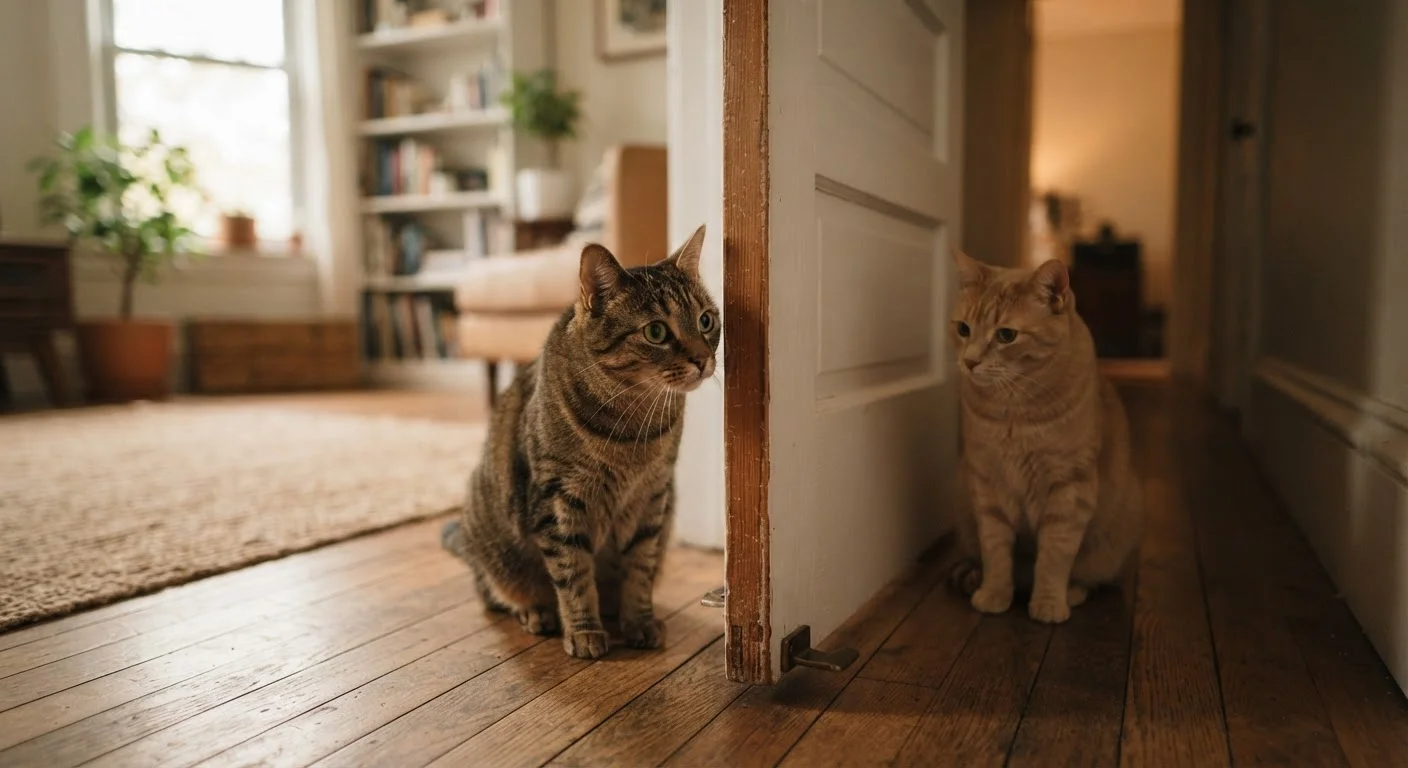
Why Multi-Cat Households Need a Plan
Cats are famously territorial, and most have lived as the sole pet in their environment. When a new cat arrives, the resident cat doesn't automatically understand that this stranger is here to stay — or that they're expected to share their food, litter box, and favorite napping spots. Without a structured plan, what starts as tension can escalate into chronic stress, physical injury, or lasting behavioral problems for both animals.
The good news is that careful preparation makes an enormous difference. Research in feline behavior consistently shows that gradual, scent-first introductions lead to significantly better long-term outcomes than immediate face-to-face contact. This checklist walks you through every step — from health checks before day one to monitoring signs of stress in the weeks that follow.
If you're still deciding whether to add a second cat, or weighing what kind of lifestyle will suit them, our guide on indoor vs. outdoor cat trade-offs can help you think through the broader picture. And if this is your first cat experience altogether, everything new cat owners need to know covers the foundational knowledge you'll want in place first.
The Quarantine Room Is Non-Negotiable
Regardless of how friendly either cat seems, every new cat needs a private space away from resident pets for at least one to two weeks. This protects the health of all animals, gives the new cat time to decompress from the stress of rehoming, and begins the all-important scent introduction process. Skipping this step is the most common reason multi-cat introductions fail.
Setting Up Your Home Before the New Cat Arrives
Physical preparation is something you can complete days before your new cat comes home, and it pays dividends immediately. The goal is to give each cat access to everything they need — food, water, rest, play, and elimination — without having to navigate past, compete with, or encounter another cat to get it.
Vertical space is one of the most underutilized tools in a multi-cat home. Cats naturally establish social hierarchies in part through height. Cat trees, shelving units designed for cats, or even cleared window sills give animals options to spread out in three dimensions rather than fighting over two-dimensional floor territory. Even in a smaller apartment, adding a single tall cat tree can meaningfully reduce tension.
Resource placement matters as much as quantity. Litter boxes clustered in one corner effectively function as one litter box from a cat's perspective — a second cat can block access to all of them at once. Spread boxes across different rooms and floors. Do the same with food and water stations.
For ideas on keeping a cat mentally engaged once they're settled, see our article on keeping an indoor cat stimulated and active. A structured daily routine also helps both cats feel secure during the adjustment period.
Baby gate or pet gate
Creates a visual barrier that allows scent exchange and supervised sight-lines without permitting physical contact between cats.
Extra litter boxes
Ensures every cat has access to a clean, uncontested elimination spot, following the n+1 rule.
Separate food and water dishes
Prevents resource guarding at mealtimes by giving each cat its own dedicated eating and drinking area.
Cat tree or wall-mounted shelves
Provides vertical territory so cats can claim elevated space rather than competing for the same floor-level areas.
Pheromone diffuser (e.g., synthetic feline facial pheromone type)
May help reduce general anxiety in resident cats during the adjustment period — ask your vet whether this is appropriate for your situation.
Extra bedding sets
Used for scent-swapping exercises between cats during the quarantine introduction phase.
Running the Introduction and Watching for Progress
The checklist items in the introduction protocol section follow a proven sequence: scent first, sound and sight second, physical contact last. Most behavior consultants recommend spending at least one to two weeks on scent exchange alone before cats ever see each other. This feels slow, but it dramatically reduces the likelihood of a negative first impression that both animals remember for months.
During supervised face-to-face sessions, look for relaxed body language as a positive sign: slow blinking, grooming, or simply ignoring each other. Ears flattened sideways, a low tucked tail, and dilated pupils indicate fear or hostility — redirect attention with a toy and end the session calmly. Never punish either cat for hissing or growling; these are communication signals, not misbehavior.
Never Rush a Face-to-Face Meeting
Forcing cats together before they are comfortable with each other's scent can create lasting negative associations that take months to reverse. Hissing or swatting at first sight is normal, but sustained, intense aggression signals the introduction is moving too fast. Back up a step in the process and give both animals more time.
Skipping Vet Testing Is a Real Risk
FIV and FeLV can be transmitted between cats through saliva and close contact. A new cat may appear perfectly healthy while carrying one of these viruses. Testing before any shared contact protects every cat in your home and gives you information you need to manage introductions safely.
Once cats are cohabitating freely, ongoing observation remains important. Changes in eating habits, litter box avoidance, or one cat persistently hiding can all indicate that the social dynamic is causing chronic stress. These signs are worth discussing with your veterinarian — stress in cats can contribute to urinary issues, immune suppression, and behavioral problems that compound over time. Early intervention is always easier than correcting an entrenched conflict.
This article provides general guidance for cat owners and is not a substitute for advice from a licensed veterinarian or certified animal behavior consultant. Every cat is an individual — if you encounter persistent aggression or health changes during introductions, please consult a professional.