
Why Feeding Schedules Matter More Than You Might Think
Most dog owners settle into a feeding routine out of habit rather than intention — and that's completely understandable. Life is busy, and if the dog seems fine, why change anything? The problem is that feeding habits have a quiet but meaningful effect on weight, digestion, energy, and even how quickly you'll notice if something is wrong with your dog's health.
The good news: feeding your dog well doesn't require complicated systems. It mostly requires avoiding a handful of very common mistakes that are easy to fall into without realizing it. Understanding why these habits develop makes it a lot easier to correct them without guilt.
For context on how food type fits into the picture alongside timing and portions, our guide on wet food vs. dry food walks through the practical trade-offs between formats.
Free-feeding by leaving food in the bowl all day for the dog to graze at will.
Why it happens: It feels convenient and even kind — owners assume their dog will self-regulate. Some dogs do, but many will simply eat as long as food is available.
Using the bag's feeding guide as a precise prescription rather than a starting point.
Why it happens: The guidelines printed on pet food packaging are formulated for average dogs at average activity levels, which rarely describes any individual dog perfectly.
Feeding only once a day to save time, especially for adult dogs.
Why it happens: One feeding feels simpler, and owners often assume dogs don't need the same regularity humans do. For some small breeds and puppies, skipping feedings can also risk low blood sugar.
Not counting treats and table scraps as part of daily caloric intake.
Why it happens: Treats feel like extras, separate from "real" food. But calories from biscuits, chews, and food scraps add up quickly — sometimes representing 20–30% of a dog's daily intake.
Keeping the same feeding routine as a dog ages without adjusting for life stage changes.
Why it happens: Owners establish a routine that works and understandably stick with it. But a senior dog's metabolism, activity level, and nutritional needs differ from those of a young adult.
Building a Routine That Works for Your Dog
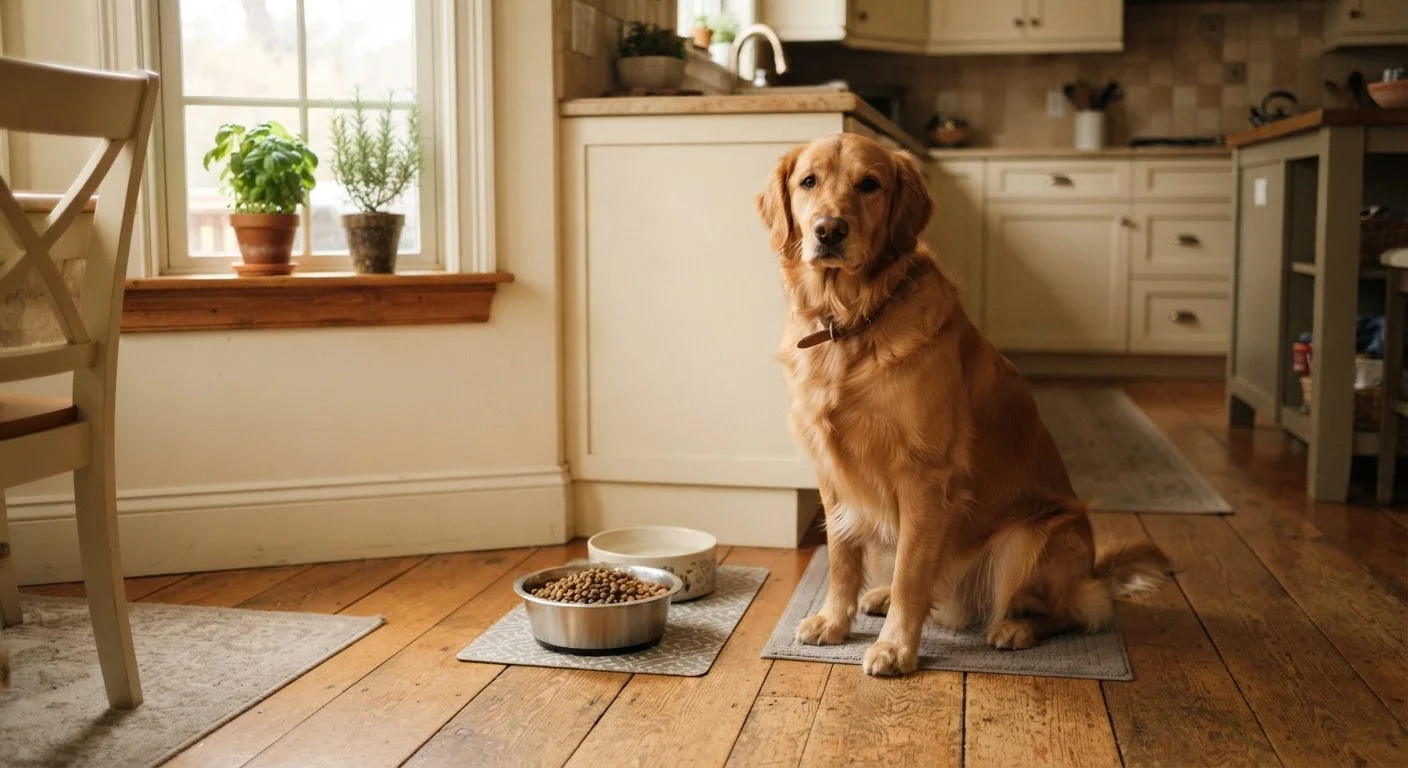
Once you've identified habits worth changing, the fix is usually straightforward: pick consistent meal times, measure portions, and treat your dog's food log as useful health information rather than an afterthought.
When Appetite Changes, Pay Attention
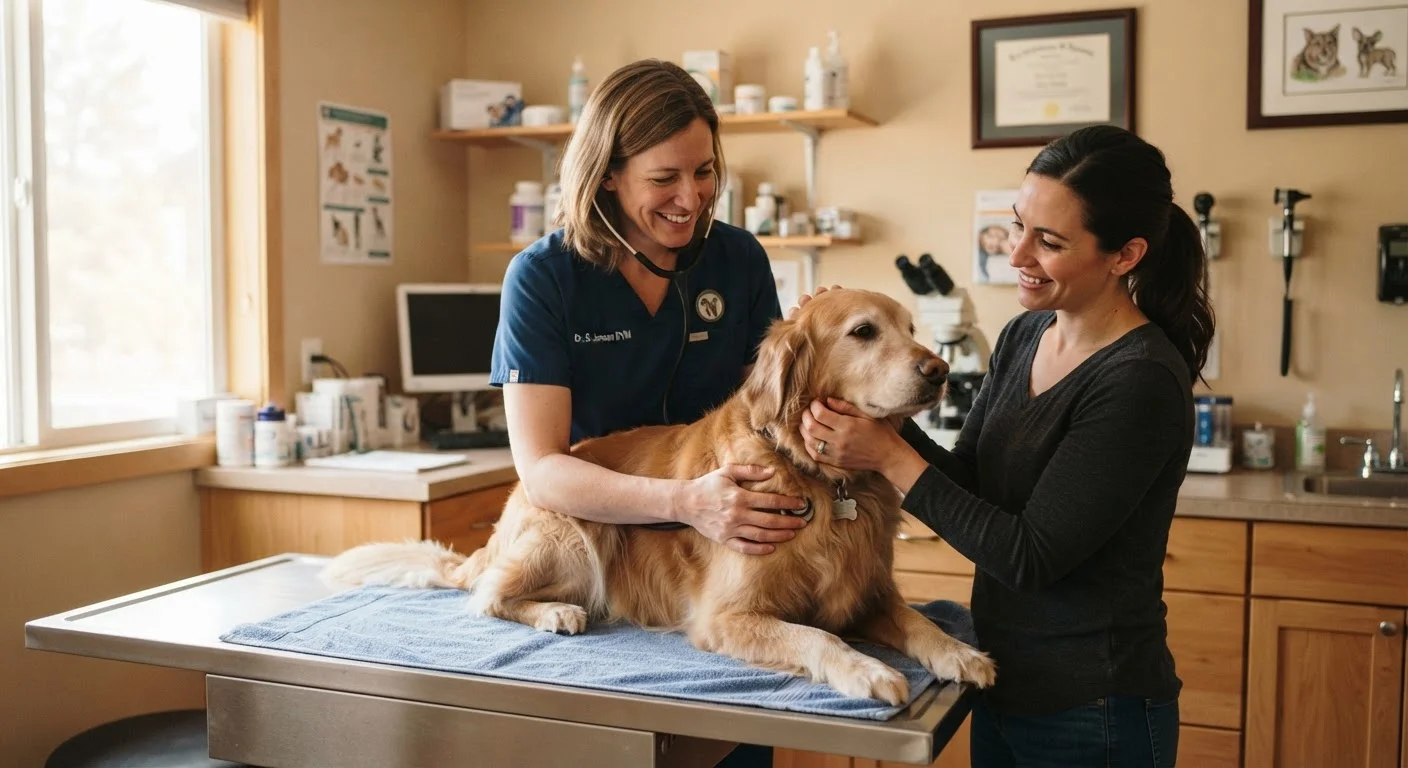
A dog that suddenly loses interest in meals or starts eating dramatically more or less than usual may be signaling an underlying health issue. Structured feeding schedules make these changes much easier to notice early. If your dog's appetite shifts noticeably over two or more days, contact your veterinarian rather than assuming it will resolve on its own.
If you're unsure whether your dog's current diet is meeting their nutritional needs — not just in terms of timing, but ingredients — our article on reading a dog food label can help you make sense of what's actually in the bag. And if you suspect your dog's eating habits are connected to broader health patterns, it's worth checking out common dog health myths to separate fact from the well-meaning but inaccurate advice that circulates among owners.
Bloat Risk in Large and Deep-Chested Dogs
Feeding one very large meal per day — especially right before or after vigorous exercise — has been associated with a higher risk of bloat (gastric dilatation-volvulus) in large and deep-chested breeds such as Great Danes, German Shepherds, and Boxers. This is a life-threatening emergency. Veterinarians generally recommend splitting daily food into two or more smaller meals and avoiding exercise for about an hour around mealtimes for these breeds.
Every dog is an individual, and what works well for your neighbor's Labrador may not be right for your dog's age, breed, or activity level. When in doubt, your veterinarian is always the best resource for personalized guidance on portions, meal timing, and dietary adjustments.