
Why Coat Type Matters More Than Most People Expect
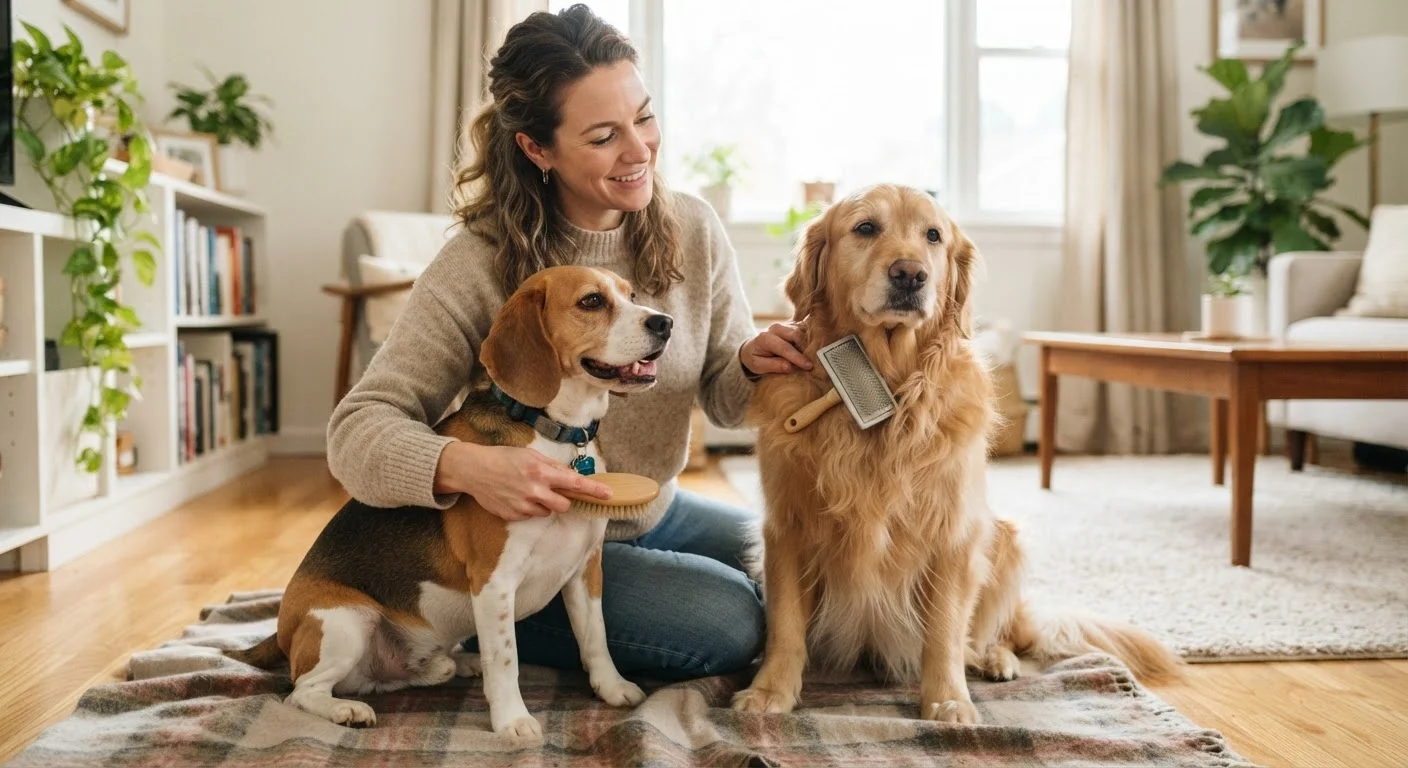
When people picture grooming a dog, they often imagine a quick brush-through and maybe the occasional bath. In reality, grooming needs vary enormously depending on coat type — and the difference between a short-coated Beagle and a long-coated Golden Retriever goes far beyond how often you reach for a brush.
Coat type affects shedding patterns, the tools required, how quickly skin problems can develop unnoticed, and how much of your time and budget you'll commit over the lifetime of your dog. Understanding these differences upfront helps you build a grooming routine that works for your household — and helps you choose a dog whose coat you can realistically manage. For a broader look at how care needs shift across a dog's life, see Caring for a Dog Through Every Life Stage.
Short-Coat Dogs: Lower Effort Doesn't Mean No Effort
Short-coated breeds — think Labrador Retrievers, Boxers, Dachshunds, and French Bulldogs — are often marketed as low-maintenance. That's partly true, but it can mislead new owners into skipping grooming altogether.
Short coats shed consistently, and many short-coated breeds are actually heavy shedders year-round. A weekly brush with a rubber curry brush or bristle brush helps loosen dead hair before it ends up on your sofa and clothing. It also distributes natural oils, keeping the coat healthy and the skin stimulated.
Bathing frequency for short-coat dogs is generally every four to six weeks, though active dogs that spend time outdoors may need it more often. Because the coat dries quickly and doesn't trap debris as easily, bath time is usually straightforward.
One area short-coat owners sometimes overlook: skin folds. Breeds like Bulldogs and Shar-Peis have wrinkled skin that requires regular cleaning to prevent moisture buildup and irritation — even though their actual coat is minimal. Nails, ears, and teeth need the same attention regardless of coat length. See our article on what dog dental health actually involves — it's a grooming area many owners underestimate.
| Short-Coat Dogs | Long-Coat Dogs | |
|---|---|---|
| Brushing frequency | Once a week | Every 1–3 days |
| Bathing frequency | Every 4–6 weeks | Every 3–6 weeks |
| Matting risk | Low | High without regular brushing |
| Drying time after bath | Short (15–20 min) | Long (45+ min) |
| Professional grooming need | Occasional or optional | Regular, every 6–12 weeks |
| Common grooming tools | Bristle brush, rubber curry | Slicker brush, wide-tooth comb, dematting tool |
| Shedding visibility | High — short hairs embed in fabric | Moderate — longer hairs easier to remove |
Long-Coat Dogs: More Commitment, More Routine
Long-coated breeds — including Golden Retrievers, Shih Tzus, Border Collies, and Afghan Hounds — need grooming that's more frequent, more deliberate, and more tool-intensive. The core risk with long coats is matting: when loose hair tangles with surrounding fur and tightens against the skin. Mats aren't just unsightly — they can cause skin irritation, restrict movement, and hide underlying problems like hot spots or parasites.
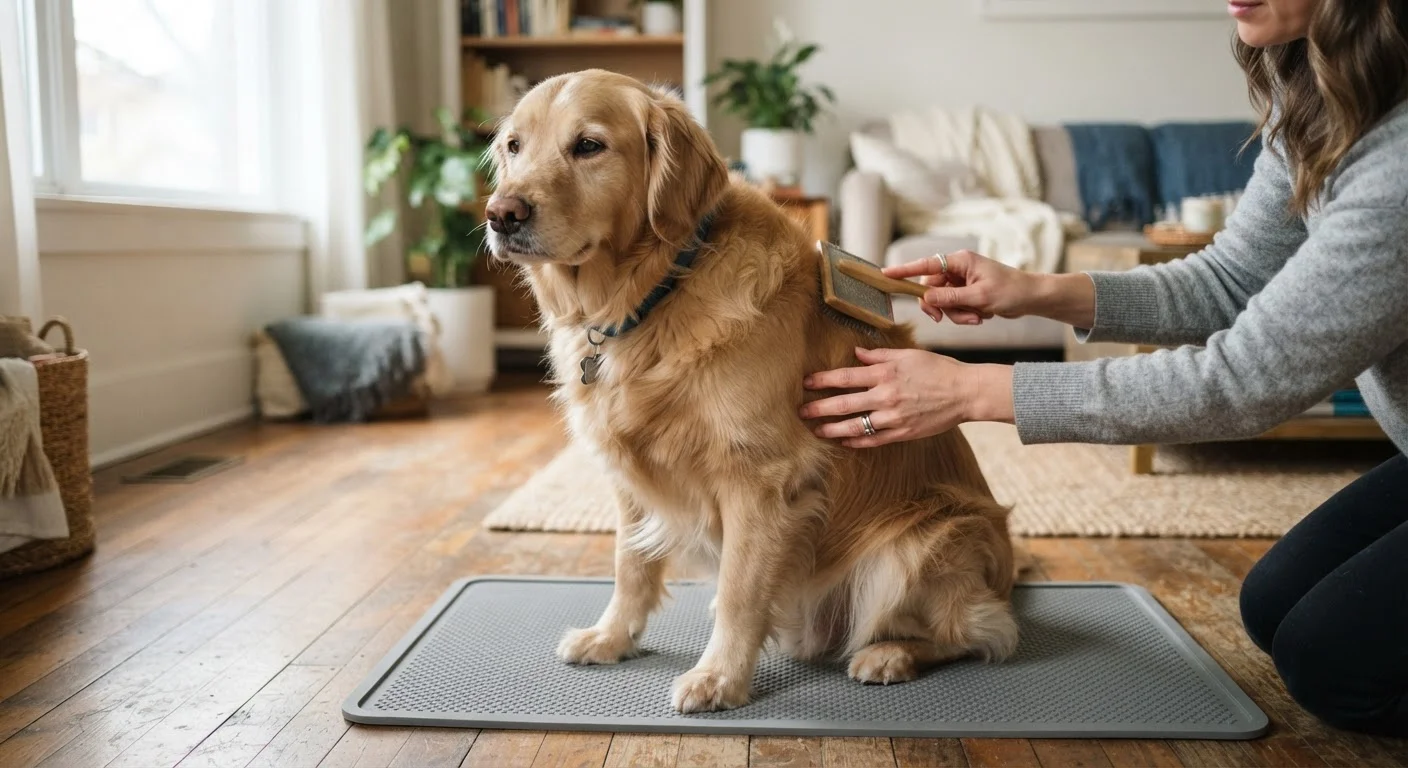
Daily brushing is recommended for many long-coat breeds, particularly around the ears, armpits, and hindquarters where tangles form fastest. At minimum, most long-coat dogs need brushing every two to three days to stay mat-free. Slicker brushes, wide-tooth combs, and dematting tools are standard parts of the toolkit.
Bathing long-coat dogs typically happens every three to six weeks, but fully drying the coat afterward is essential — leaving a long coat damp can accelerate matting and create conditions where bacteria and yeast thrive. A forced-air dryer designed for dogs speeds this up considerably.
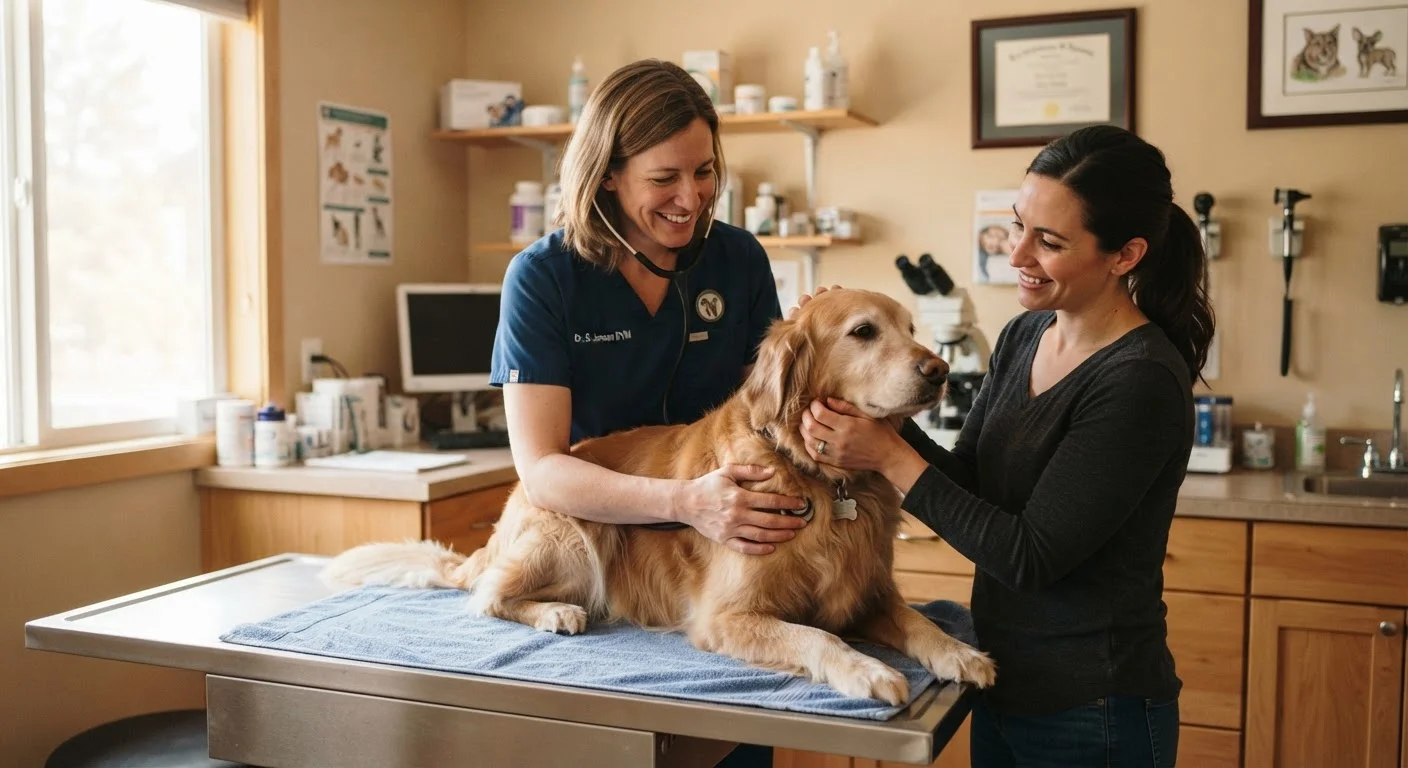
Most long-coat breeds also need professional grooming every six to twelve weeks for trimming and shaping — a cost that adds up over the years. If you want to reduce how often you visit a groomer, building your own at-home routine is key. Our guide to dog grooming at home walks through how to build that routine step by step.
Tools, Time, and Realistic Expectations
Here's an honest look at what regular grooming actually demands from each owner:
- Short-coat owners typically spend 15–30 minutes per week on brushing, with bathing adding another 30–45 minutes once a month. Professional grooming is usually optional or needed only a few times a year for nail trims.
- Long-coat owners may spend 20–45 minutes every few days on brushing alone. Baths are more involved due to drying time. Professional grooming visits are usually necessary and recurring.
Neither schedule is unmanageable, but the long-coat routine does require consistency — skipping sessions leads to tangles that are harder and more uncomfortable to resolve. Starting grooming habits early, when a dog is a puppy, makes both coat types far easier to manage over time. Dogs that are introduced to brushes, baths, and handling gradually tend to tolerate grooming much better as adults.
Start Grooming Habits Early
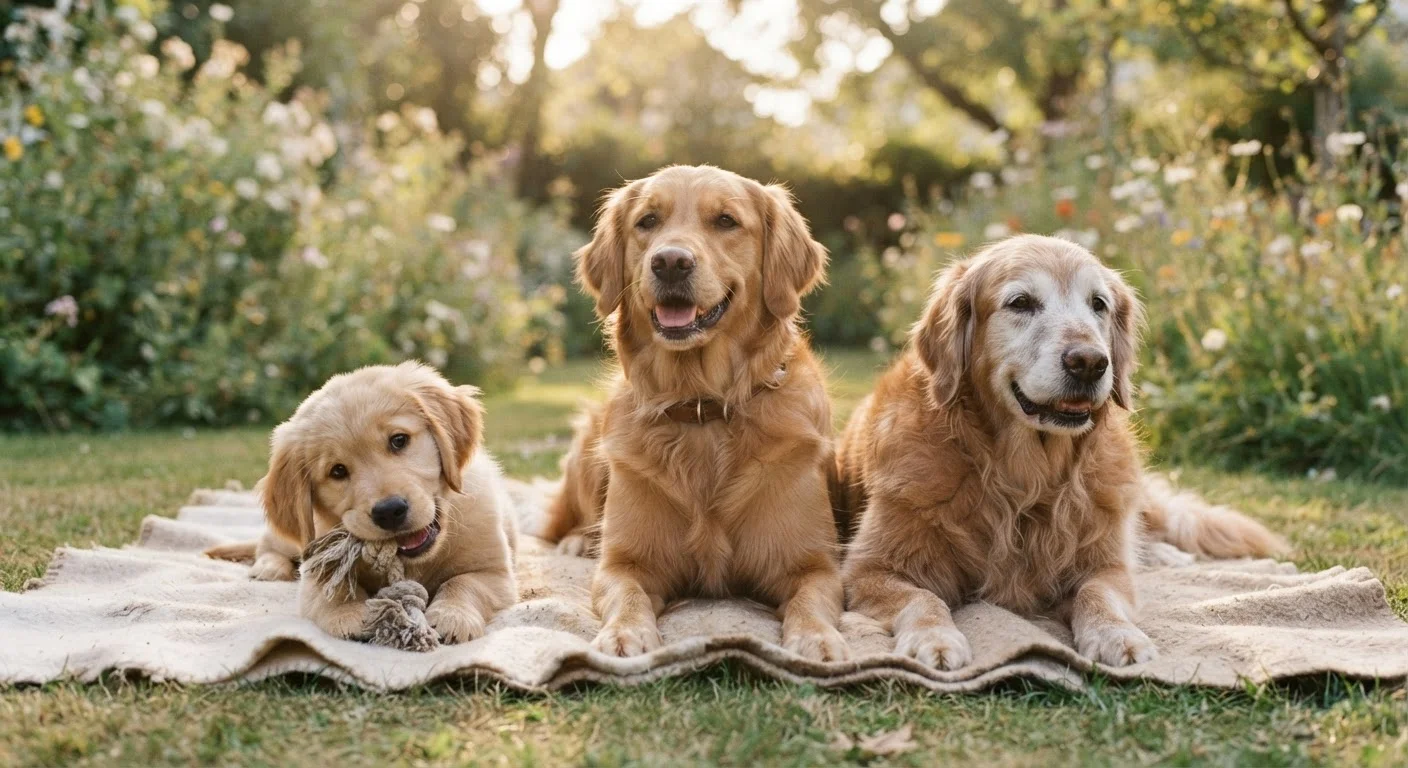
Puppies who are gently handled during grooming sessions from an early age are significantly easier to brush and bathe as adults. Even if your puppy doesn't need much grooming yet, short, positive sessions with a brush help build a calm association with the process. Pair handling with treats and praise to make it a routine your dog looks forward to rather than dreads.
One thing both coat types share: grooming is also health monitoring. Every session is a chance to check for lumps, skin changes, ear odor, or nail overgrowth — so the routine has value well beyond appearances.