

Why the First Month Sets the Tone
Rabbits are among the most misunderstood pets in American households. They look like calm, easy companions — and in the right environment, they truly are. But the gap between expectation and reality is wide, and the first month is where most of the lasting habits, good or bad, get formed.
Many of the problems owners encounter aren't due to negligence. They're due to misinformation — outdated advice, misleading product packaging, or assumptions borrowed from caring for other animals. Before you bring a rabbit home, it helps to review our small pet preparation checklist so your space is ready from day one.
The mistakes below are the ones we hear about most consistently. Understanding them early means you and your rabbit get off to a far better start.
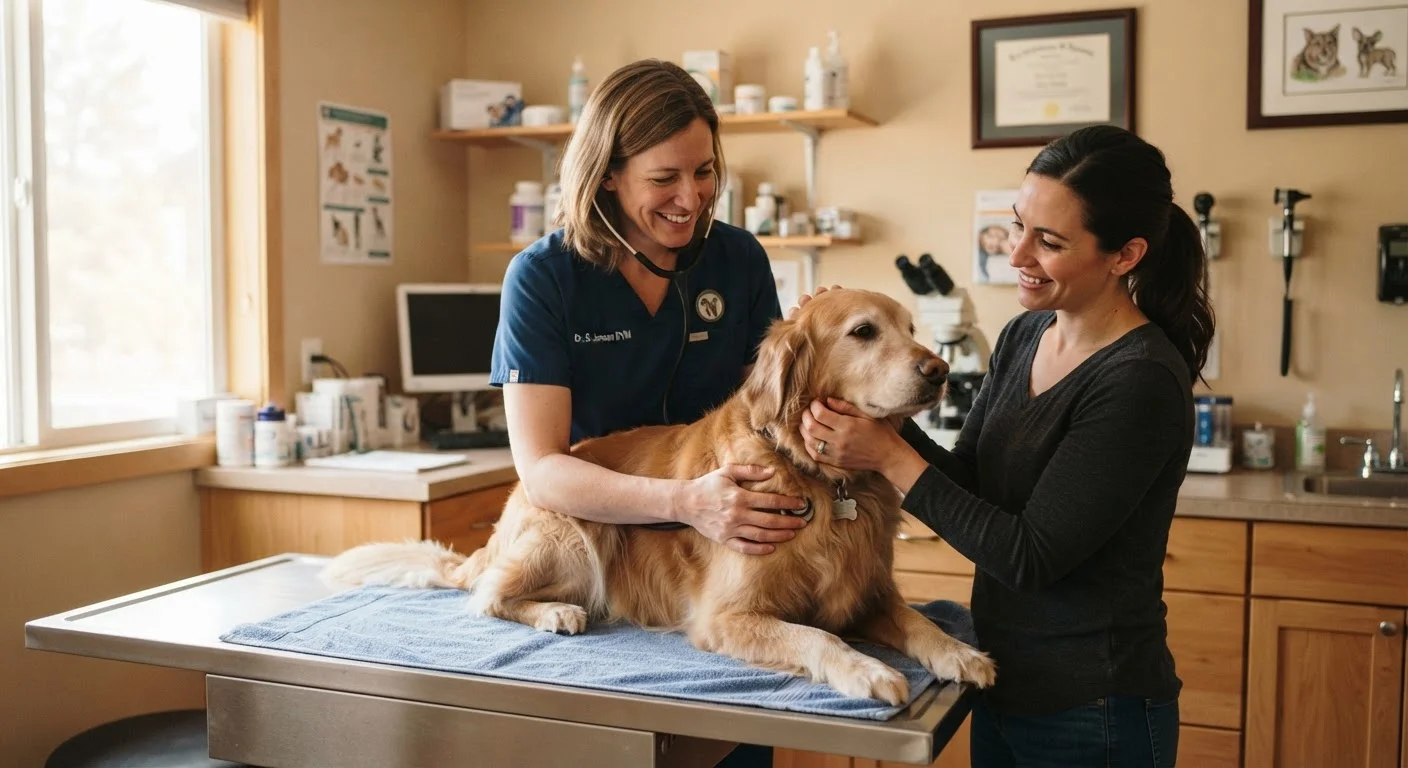
Find a Rabbit-Savvy Vet Before You Bring One Home
Rabbits are considered exotic mammals, and not every veterinary practice has the training or equipment to treat them properly. Locating an experienced rabbit vet before you bring your pet home — not after something goes wrong — is one of the most important steps a new owner can take. The House Rabbit Society maintains a directory of rabbit-knowledgeable veterinarians that can help you start your search.
The Most Common Mistakes — and How to Correct Them
Feeding too many pellets and not enough hay.
Why it happens: Pellets are marketed as complete rabbit food and are easy to measure and serve, so new owners naturally lean on them. Many assume more pellets equals better nutrition.
Housing a rabbit in a cage that is far too small.
Why it happens: Pet store starter cages are often marketed for rabbits but don't reflect how much space rabbits actually need to move, stretch, and binky (the joyful leaping behavior that signals a happy, healthy rabbit).
Picking up the rabbit too often or incorrectly in the first weeks.
Why it happens: New owners are excited and want to bond quickly. Handling feels like the natural way to connect, but rabbits are prey animals that can become terrified when lifted off the ground.
Skipping or delaying the first veterinary visit.
Why it happens: Because rabbits appear calm and seem fine, new owners sometimes assume a vet visit can wait. Some also underestimate how specialized rabbit medicine is.
Underestimating how social and enrichment-dependent rabbits are.
Why it happens: Rabbits are often marketed as independent, low-effort pets suited for busy households or young children. In reality, they are highly social animals that become bored, stressed, or destructive without stimulation.
A Quiet Rabbit Isn't Always a Healthy One
Rabbits instinctively hide signs of illness, a survival behavior inherited from prey animals. A rabbit sitting still in a corner or skipping meals may be in serious pain rather than simply resting. If your rabbit's eating, drinking, or litter habits change suddenly, contact a vet promptly — gastrointestinal stasis, a condition where the digestive system slows or stops, can become life-threatening within hours.
Each of these errors is genuinely common, and none of them reflect bad intentions. They reflect a knowledge gap that good information can close. If you've already made one or two of these missteps, the good news is that rabbits are resilient when corrections happen promptly and gently.
For readers who are still deciding whether a rabbit is right for their household, it's worth noting that dogs and rabbits require very different kinds of commitment. Our first-dog guide walks through what that ownership experience looks like for comparison.
Building Good Habits Before Problems Start
The most reassuring thing we can tell new rabbit owners is this: getting it right isn't complicated once you know what to look for. Focus on hay, space, calm handling, and a solid vet relationship, and you've addressed the majority of what goes wrong in the first month.
Rabbits reward patience. A rabbit that doesn't interact much in week one may be confidently flopped on your feet by week four — that behavior, called a flop, is one of the clearest signs of a relaxed, trusting rabbit. Small improvements in their environment and routine produce visible changes in their comfort and happiness.
Stay curious, stay observant, and don't hesitate to ask questions. The rabbit-owning community is active and generous with knowledge, and your vet should always be your first call when something feels off.
This article is for general informational purposes only and is not a substitute for professional veterinary advice. Always consult a qualified veterinarian familiar with small mammals for guidance specific to your rabbit's health and care needs.