
How to Use This Guide
Your car communicates through sound. A squeal, a thud, a hiss — each has a pattern that points toward a likely cause. This reference guide groups common vehicle noises by type, notes where you're most likely to hear them, and gives you a plain-language sense of how urgently each one needs attention.
No guide replaces a hands-on diagnosis by a qualified mechanic, but knowing what to listen for helps you have a more informed conversation when you bring your car in — and helps you decide whether to drive it at all. For a broader maintenance framework, see The Complete Car Maintenance Guide for New Drivers.
| Most urgent sound | Metal-on-metal grinding from brakes (National Highway Traffic Safety Administration (NHTSA) guidance) |
| Common cause of engine knocking | Low-octane fuel or low oil pressure (AAA automotive research) |
| Typical brake squeal cause | Worn brake pad wear indicators or dust buildup |
| Hissing after engine shutoff | Often coolant or vacuum leak — check promptly |
| Clicking on turns | Likely a worn CV joint — driveable short-term but needs service |
| Rattling underneath | Frequently a loose heat shield — low urgency but confirm with a mechanic |
Squealing and Squeaking
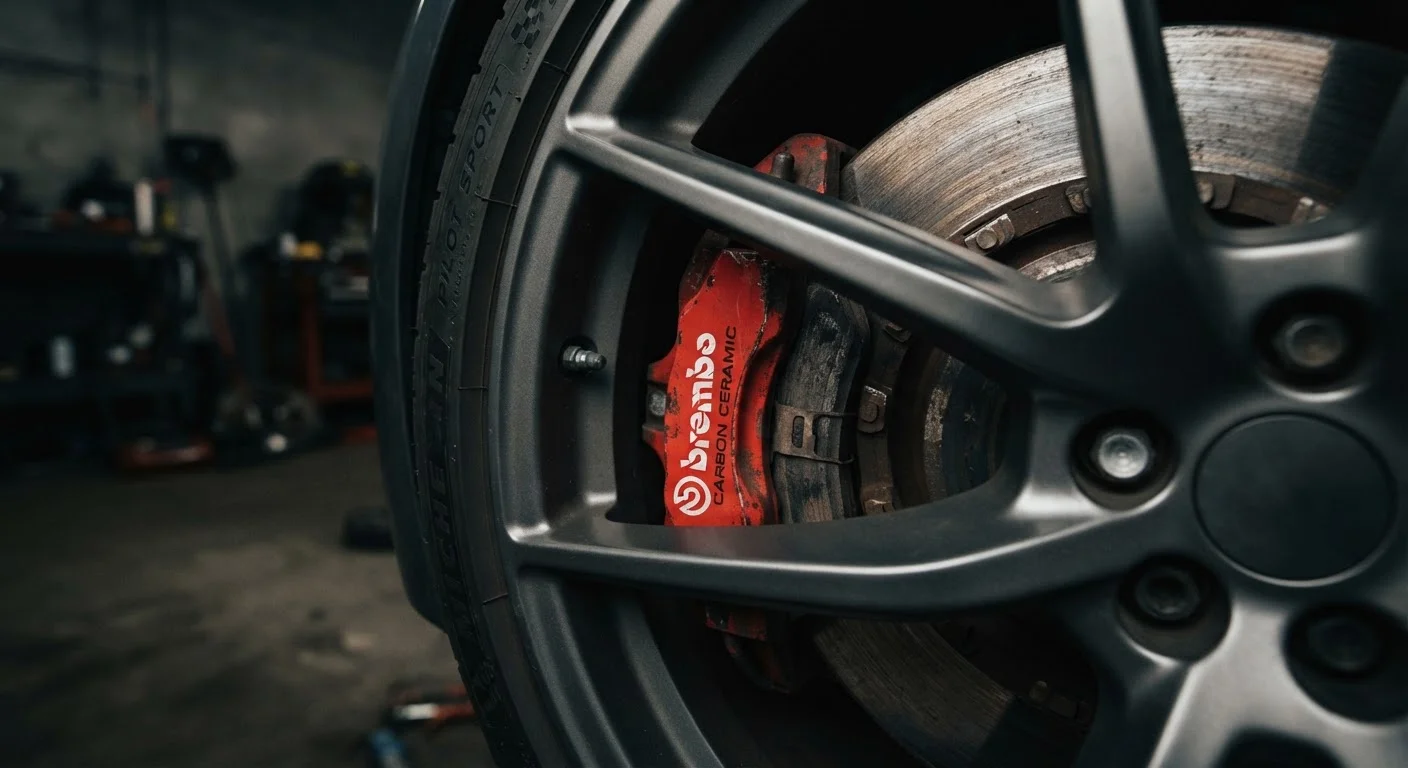
From the brakes: A high-pitched squeal when you apply the brakes is most often the wear indicator — a small metal tab built into the brake pad that contacts the rotor when the pad gets thin. It's a deliberate warning. Have the brakes inspected soon. If the squeal has turned into a grinding metal-on-metal sound, the pads are likely worn through entirely; this is urgent and unsafe.
From under the hood at startup: A squealing or chirping noise that fades after the engine warms up often points to a loose or worn serpentine belt. Cold temperatures can temporarily tighten a belt that needs replacement. If the squeal is consistent, have the belt checked — it drives critical systems including the alternator and power steering.
Tires squealing on turns: At normal speeds, this usually signals underinflated tires or a need for wheel alignment, not a dramatic problem. Check your tire pressure against the spec in your door jamb or owner's manual.
Knocking, Pinging, and Tapping
Engine knock (deep thud from the engine): A rhythmic knocking that speeds up with the engine is one of the more serious sounds on this list. It can indicate low oil pressure, worn engine bearings, or the wrong fuel octane for your engine. Check your oil level immediately — see Car Fluids Every Driver Should Know How to Check for instructions. If the oil is fine and the knock persists, stop driving and have it diagnosed.
Pinging or rattling under load: A lighter rattling or pinging sound when accelerating, climbing a hill, or towing often means the fuel is igniting too early in the combustion cycle — sometimes called pre-ignition or spark knock. Switching to the fuel grade your owner's manual specifies often resolves it. Persistent pinging despite correct fuel can indicate a sensor or timing issue.
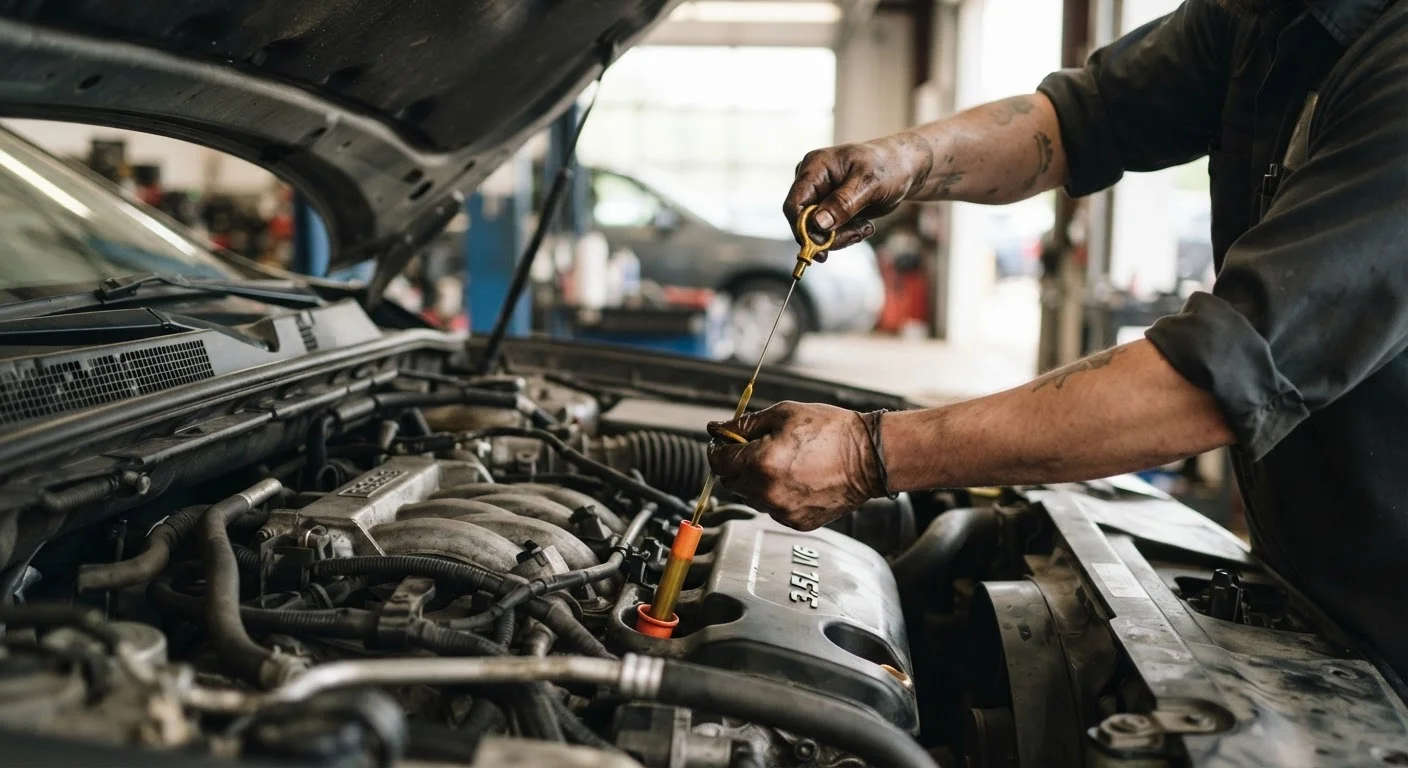
Ticking at idle: A rapid ticking from the top of the engine is frequently a sign of low oil or oil that needs changing. It can also point to worn valve components. Address oil maintenance first; if the tick remains after a fresh oil change at the correct grade, have a mechanic investigate.
When to Pull Over Immediately
Some noises — particularly loud metallic grinding from the brakes, a sudden knocking or clunking from the engine, or a hissing accompanied by steam from under the hood — are signals to stop driving as soon as it is safe to do so. Continuing to drive can turn a manageable repair into a much costlier one or create a safety hazard. When in doubt, call a roadside assistance service rather than risk further damage.
Clicking, Clunking, and Rattling
Clicking on turns: A clicking or popping sound that appears specifically when you turn the steering wheel — especially at low speeds — is a classic symptom of a worn CV joint. The joint is often still functional for a period, but the protective boot has likely cracked, allowing grease to escape and grit to enter. It will worsen over time and eventually affect drivability.
Clunking over bumps: A hollow clunk when you hit a pothole or speed bump often comes from worn struts, shock absorbers, or suspension bushings. It's worth addressing not just for comfort but because worn suspension affects handling and tire wear.
Rattling underneath at idle: A loose heat shield is among the most common causes of an exhaust-area rattle. It typically isn't a safety emergency, but confirm with a mechanic since exhaust leaks — which can allow carbon monoxide into the cabin — produce a similar sound. Don't guess on that one.
Hissing, Whining, and Grinding
Hissing from the engine bay: A hissing sound, especially after the engine shuts off, often signals a coolant or vacuum leak. A coolant leak can lead to overheating quickly; a vacuum leak affects engine performance and fuel economy. Either warrants a prompt inspection. Check your coolant level while the engine is cold — never open a hot radiator cap.
Whining that changes with speed: A whine or hum that rises and falls with vehicle speed (not engine speed) is often a wheel bearing. You can sometimes narrow it down by noting whether the sound shifts when you gently swerve left or right on an empty road — a bad bearing typically gets louder when weight transfers toward it. Wheel bearings should not be ignored; failure affects steering control.
Whining when steering: A whine specifically when turning the wheel, especially at low speeds, often points to low power steering fluid or a failing power steering pump. Check the fluid level and look for leaks. For further context on reading your maintenance schedule and catching these issues early, see Reading Your Owner's Manual.
Unusual sounds often accompany warning lights. If your check engine light is also on, What Your Check Engine Light Is Actually Telling You can help you assess how urgent the situation is before you drive to a shop.