
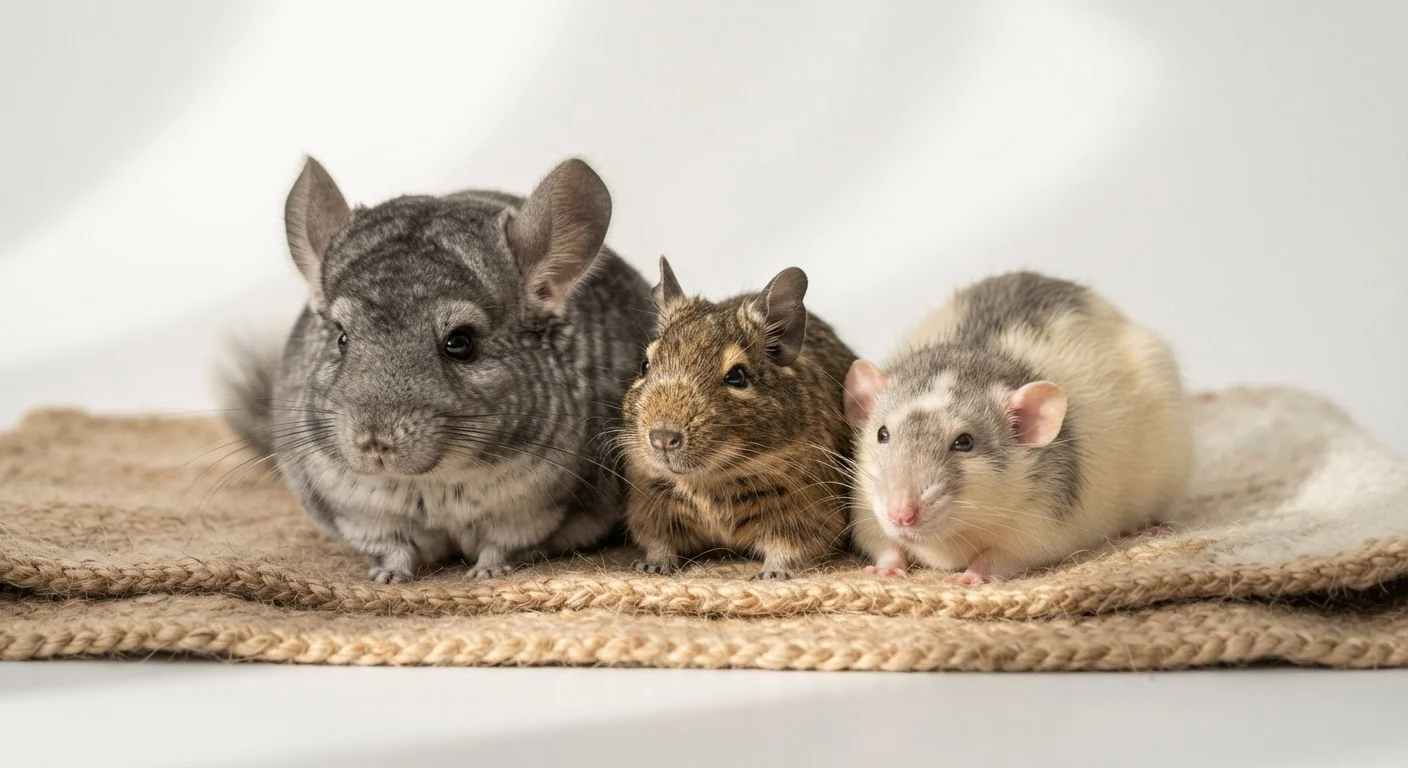
Why These Three Deserve a Closer Look
Hamsters, guinea pigs, and rabbits get most of the attention when people think about small pets — and for good reason. But chinchillas, degus, and domesticated rats offer something genuinely different: high intelligence, engaging personalities, and bonds with their owners that can surprise even experienced pet keepers.
That said, each of these animals has specific needs that differ significantly from more familiar small pets. Understanding what they actually require — not just what's assumed — is what separates a thriving animal from one that merely survives. Whether you're weighing your options or already committed, this guide covers the essentials for all three. You might also find it useful to review our small pet preparation checklist before any new animal arrives.
Chinchillas: Long-Lived, Dust-Bathing Specialists
Chinchillas are native to the Andes mountains and their biology reflects that origin. They thrive in cooler, dry environments — temperatures above 75°F can cause dangerous heat stress, so air-conditioned rooms are often a necessity in warmer climates. Their extraordinarily dense fur, which helps them survive cold mountain air, also means they cannot get wet in the traditional sense. Instead, they clean themselves by rolling in fine pumice dust, a behavior that must be accommodated with regular dust baths a few times per week.
Diet-wise, chinchillas do best on high-quality grass hay (timothy is a common choice), a small amount of plain pellets, and very limited treats. Sugary or fatty foods — even fruit — can cause digestive upset. Their digestive systems are sensitive, and sudden dietary changes should be avoided. For a fuller breakdown of what these animals need nutritionally, see small pet nutrition by species.
Chinchillas are also nocturnal or crepuscular, meaning they're most active at dawn and dusk. They can become tame and enjoy human interaction, but they're generally not lap animals — patience and gentle handling from an early age matters.
Chinchillas can live 15 years or more, making them a longer commitment than most small pets.
Degus: Social, Sharp, and Often Underestimated
Degus look like a cross between a rat and a squirrel, and they're frequently overlooked in pet stores — which is a shame, because they're among the most cognitively engaging small rodents available. Originally from Chile, degus are highly social animals that form tight-knit groups in the wild. Keeping a single degu is widely considered poor practice; they do best in same-sex pairs or small groups, where they groom each other, communicate with a range of vocalizations, and generally thrive.
One of the most important things to know about degus: they are extremely sensitive to sugar. Unlike many rodents, degus appear prone to developing diabetes-like conditions when fed sugary foods. This means commercial hamster mixes or treats containing fruit, seeds high in fat, or molasses-based pellets are unsuitable. Plain hay, degu-specific pellets, and leafy greens are the foundation of a healthy degu diet.
Degus are diurnal — active during the day — which makes them more observable and interactive than nocturnal alternatives like chinchillas or hamsters. They enjoy puzzle feeders, wheels (solid-surface, not wire), and multi-level enclosures that give them room to climb and explore.
Degus are daytime animals, making them far more interactive day-to-day than most small rodents.
Domesticated Rats: The Overlooked Social Companions
Domesticated rats (Rattus norvegicus, not wild rats) have a reputation that often works against them unfairly. In reality, they're considered by many exotic animal vets and animal behaviorists to be among the most intelligent, social, and trainable small pets available. Rats can learn their names, come when called, navigate mazes, and form strong bonds with their human caregivers — sometimes described as dog-like in their loyalty and engagement.
Like degus, rats should not be housed alone. They are social animals that groom each other, play together, and show signs of emotional distress when isolated. Same-sex pairs or groups are the standard recommendation. Females tend to be more active and exploratory; males are often calmer and more inclined to cuddle, though individual personalities vary widely.
Rats are omnivores with broad dietary needs. A high-quality rat-specific block or lab block diet, supplemented with fresh vegetables and occasional protein sources, generally supports good health. Avoid foods high in fat, salt, or sugar. One practical note: rats have a relatively short lifespan of two to three years on average, and they are prone to respiratory infections and tumors, especially as they age. Establishing care with a vet experienced in exotic or small animals early on is genuinely important — not just a precaution. You can compare how rats differ from other common rodents in our hamster vs. gerbil comparison.
Rats can learn their names, respond to training, and form genuine bonds — intelligence that often surprises first-time owners.
Making the Right Call for Your Household
Each of these three animals can be a genuinely rewarding companion — but only when their real needs are met. Rats tend to suit owners who want active, affectionate interaction on a daily basis. Degus reward patient keepers who enjoy watching complex social behavior unfold. Chinchillas appeal to those willing to invest in proper housing and long-term commitment, since they can live 15 years or more.
Before deciding, it's worth comparing how these animals fit your lifestyle versus more familiar alternatives — our article on matching a small pet to your life walks through that kind of thinking clearly. And because small animals often hide signs of illness, connecting with an exotic-capable vet early matters more than most new owners realize — something our piece on what vets want small-pet owners to know covers in practical detail.
Find Your Vet Before You Bring Them Home
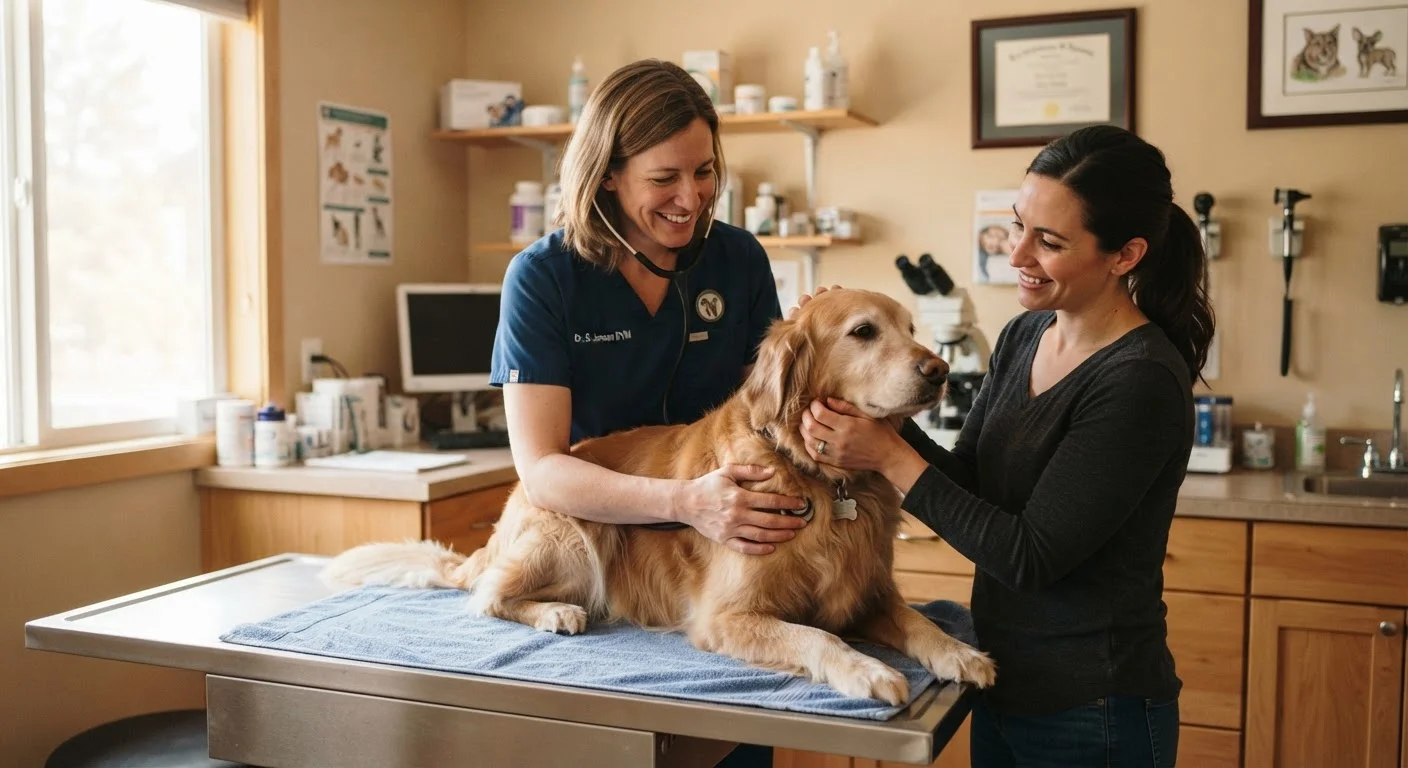
Not all veterinarians are equipped to treat chinchillas, degus, or rats — these animals fall under the category of 'exotic' small mammals, and specialized knowledge matters. Search for an exotic animal vet or a small mammal specialist in your area before your new pet arrives. Having that relationship established from day one means you're not scrambling during an emergency.