
Why Small Pets Are Easily Overlooked — and Why That's a Problem
Dogs and cats dominate the conversation around pet health, but millions of American households share their lives with rabbits, guinea pigs, hamsters, rats, chinchillas, and birds. These animals deserve the same careful attention — yet veterinarians who specialize in small and exotic animals consistently report that owners bring them in far too late, often because the signs of trouble are easy to miss.
Small prey animals evolved to conceal weakness. In the wild, showing signs of illness invites predation, so rabbits, guinea pigs, and hamsters are genetically wired to look fine even when they aren't. By the time lethargy or appetite loss becomes obvious, a condition may already be advanced. Understanding this instinct is the first step toward better care. For a broader look at how this same principle applies to other companion animals, see our guide on recognizing illness in small animals before it becomes an emergency.
Core Practices Vets Most Want Small-Pet Owners to Follow
The guidance below reflects the most consistent advice from veterinarians who work with small and exotic animals. None of it requires specialist knowledge — just a shift in how you observe and manage your pet's daily life.
Learn your pet's normal baseline so deviations stand out immediately.
Because small animals mask illness so effectively, subtle changes — slightly less food eaten, a fraction less movement, or fur that looks just a bit duller — are often the only early indicators that something is wrong. Owners who know exactly what "normal" looks like for their individual animal catch these signals sooner.
Feed species-appropriate diets and resist supplementing with 'treats' that undermine them.
Incorrect diet is one of the most preventable sources of serious illness in small pets. Rabbits need unlimited grass hay as their primary food; muesli-style mixes lead to selective eating and dental disease. Guinea pigs cannot synthesize vitamin C and must get it through food. Well-intentioned treats — especially sugary fruits or processed snacks — frequently crowd out nutritionally complete foods.
Provide an enclosure that genuinely matches your pet's activity needs.
Housing that is too small causes chronic stress, obesity, and stereotypic behaviors — repetitive movements that signal psychological distress. Veterinarians frequently see musculoskeletal problems in animals whose cages never allowed them to move naturally. Minimum size guidelines published by animal welfare organizations are often larger than what pet retailers suggest.
Schedule wellness exams annually — or more often for short-lived species.
A hamster's lifespan of two to three years means that skipping one annual exam is the equivalent of skipping a decade of checkups for a human. Conditions like wet tail, respiratory infection, and tumors progress quickly in animals with compressed life spans. Regular exams allow vets to establish baselines and spot changes.
Never use over-the-counter parasite treatments intended for cats or dogs on small pets.
Many topical flea and tick treatments safe for cats or dogs are acutely toxic to rabbits, guinea pigs, and other small animals. Even exposure to a recently treated dog or cat's fur can cause neurological reactions. This is an emergency situation that vets see more often than owners expect.
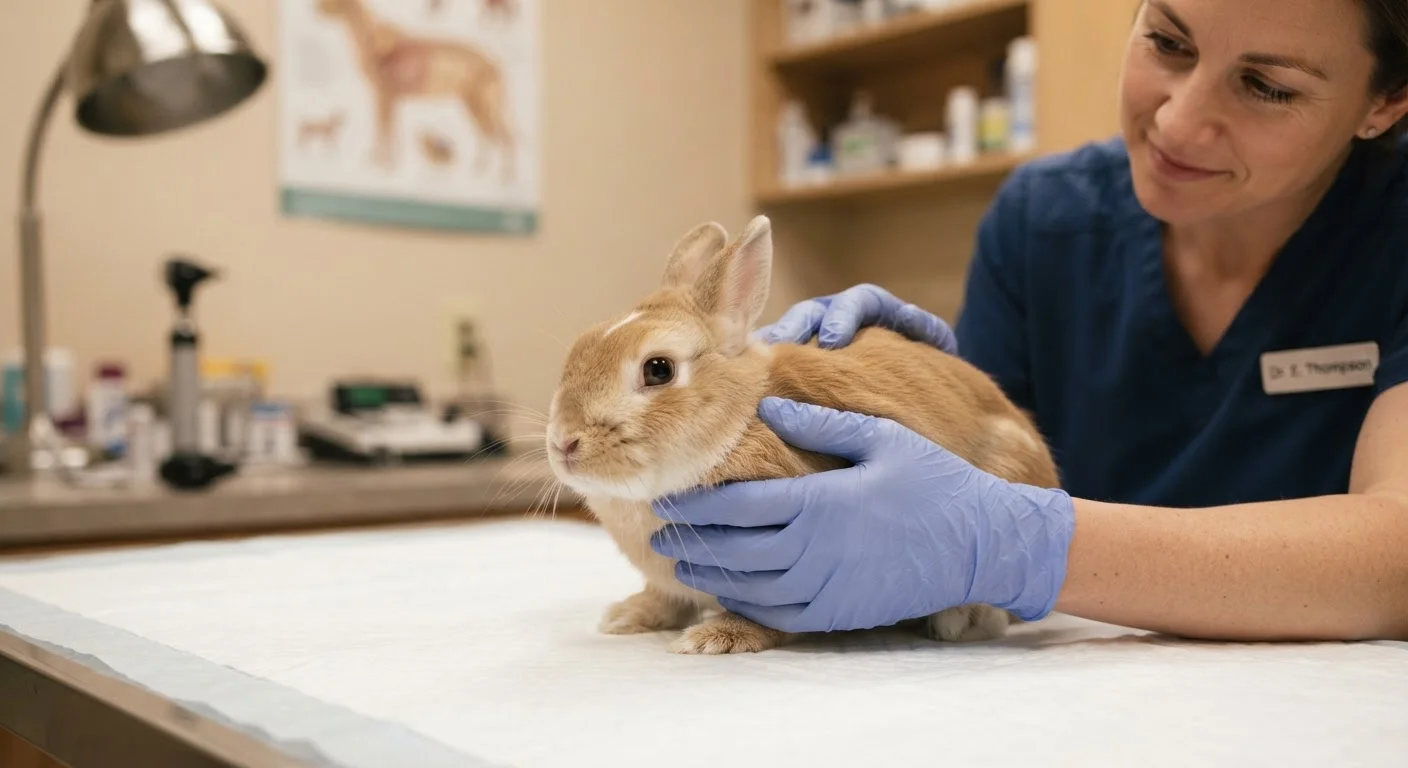
Handle your small pet regularly and gently to normalize examination and detect changes.
Animals that are rarely handled become difficult to examine at the vet, which means problems are harder to assess under stress. Regular, calm handling also familiarizes you with your pet's body — so you'll notice a new lump, a patch of hair loss, or a swollen area sooner.
Quick Actions You Can Take Today
You don't need to overhaul everything at once. A few focused changes can meaningfully improve your small pet's welfare starting now.
Finding the Right Veterinary Care for a Small Pet
Not every veterinary clinic is equally equipped to treat small and exotic animals. General practitioners receive far more training in dogs and cats, and some are candid about the limits of their expertise with species like rabbits or chinchillas. Asking a prospective vet directly — "How many rabbits or guinea pigs do you see each month?" — is a reasonable and welcomed question.
Exotic animal veterinarians and those with special interest in small mammals or avian medicine are worth seeking out, even if they're farther away or slightly more expensive per visit. Establishing a relationship before an emergency means you already have records on file, a baseline for your pet's health, and a trusted contact when something goes wrong urgently.
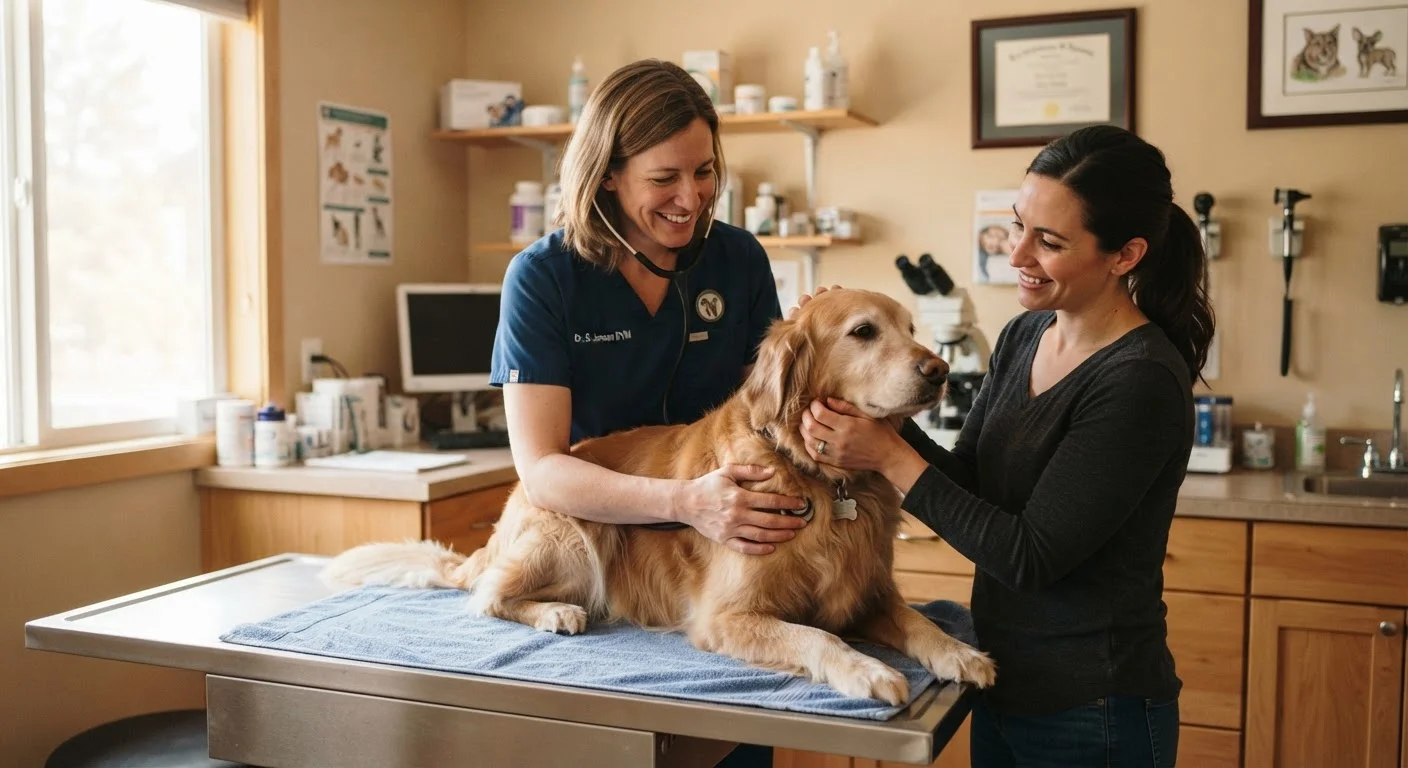
Annual wellness exams are valuable even when your small pet appears healthy. Many conditions — dental disease in rabbits, respiratory infections in guinea pigs, tumors in rats — are far easier to manage when caught early. Our article on what to expect at an annual vet visit covers the kinds of questions worth asking at any wellness appointment, and many apply equally here. If you're considering a less common species, our guide to exotic small pets can help you understand what genuine care commitments look like.
This article is for general informational purposes only and is not a substitute for professional veterinary advice. Always consult a licensed veterinarian for guidance specific to your pet's health and circumstances.