
When Does a Cat Become 'Senior'?
Veterinary organizations generally classify cats as senior starting around age 10 to 11, and geriatric from age 15 onward. These aren't arbitrary labels — they reflect measurable shifts in how a cat's body functions, from organ efficiency to immune response to metabolism.
A helpful way to frame it: a 10-year-old cat is roughly equivalent to a 56-year-old human in biological terms. By 15, that comparison reaches the mid-70s. The aging process in cats is gradual and often subtle, which is exactly why it's easy to miss early changes until they've progressed significantly.
Understanding that your cat has entered a new life stage is the first step toward giving them the right support — not out of worry, but out of informed, proactive care.
Nutrition: What Changes and Why
Older cats often have a harder time absorbing nutrients efficiently, even when eating well. Digestive enzyme production can decline, and the gut's ability to extract protein and fat from food may diminish. At the same time, some senior cats lose muscle mass — a condition called sarcopenia — making high-quality protein intake more important than ever.
Moisture is the other major priority. Senior cats are prone to kidney issues, and adequate hydration supports kidney function. Wet food is frequently recommended by veterinarians for this reason. Our guide on wet food vs. dry food for cats breaks down the practical differences in detail.
Caloric needs can go either way with age — some cats gain weight as they become less active, while others lose weight due to illness or decreased appetite. Regular weigh-ins at home or at the vet help catch either trend early. For a thorough breakdown of feline nutritional needs, see what cats actually need to eat.
When transitioning a senior cat to a new food, do it gradually over 10 to 14 days rather than the standard 7. Older digestive systems are more sensitive, and a slower transition reduces the chance of GI upset that could put your cat off the new food entirely.
Senior cats have reduced digestive adaptability, and abrupt food changes are a leading cause of vomiting and diarrhea in older cats, which can quickly affect their hydration status.
Keep a simple monthly log of your senior cat's weight, appetite, and litter box habits. Even rough notes on your phone help your vet spot patterns that are invisible without a baseline.
Gradual changes — like slow weight loss over several months — are easy to miss day to day but become clear when documented, enabling earlier diagnosis of conditions like CKD or hyperthyroidism.
Veterinary Care After Age 10
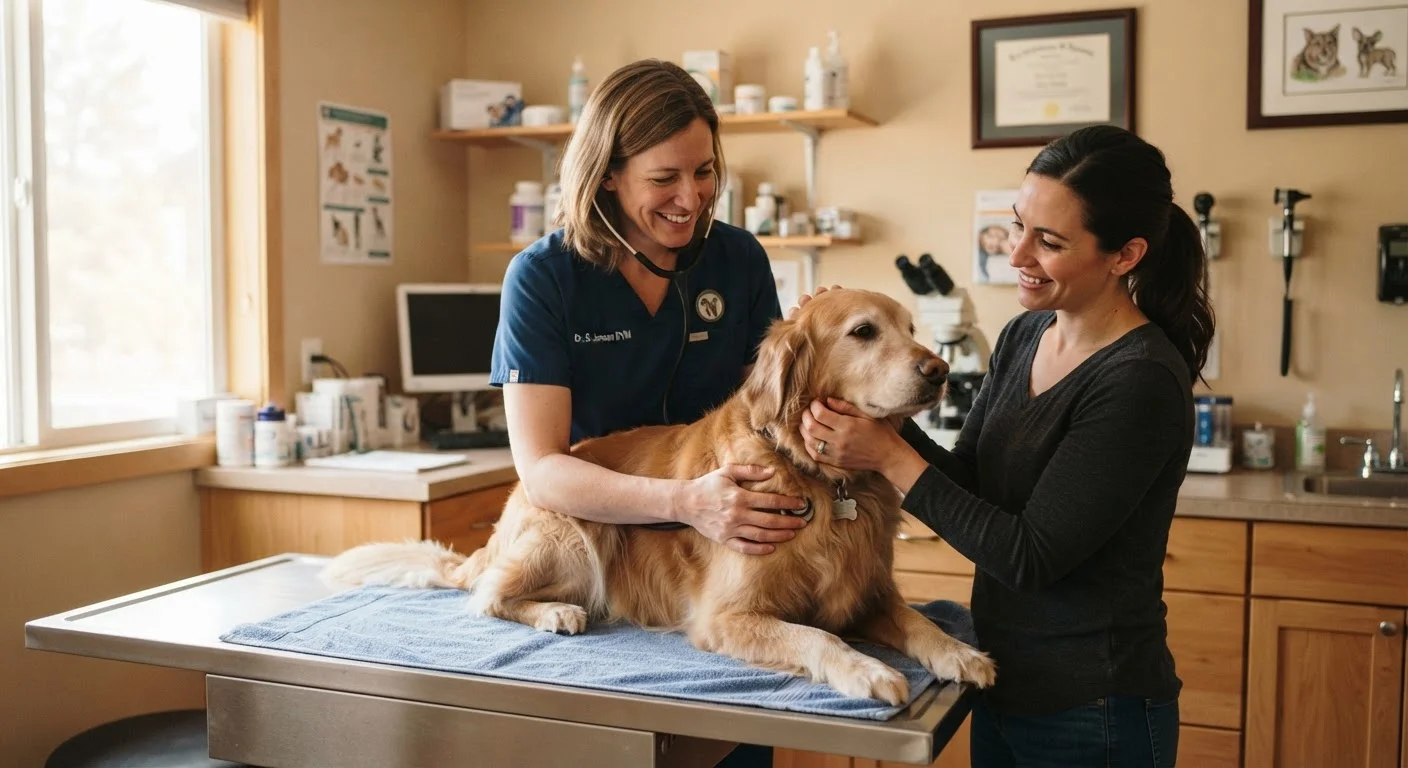
Annual vet visits are no longer enough once a cat passes 10. Most veterinary guidelines now recommend twice-yearly wellness exams for senior cats. A lot can change in six months at this life stage — conditions like kidney disease and hyperthyroidism can progress quickly, and early detection dramatically improves outcomes.
A senior wellness exam typically includes a physical exam, blood panel, urinalysis, and blood pressure check. These baselines allow your vet to track trends over time, catching small deviations before they become serious problems.
Don't Skip the Bloodwork
Many serious senior cat conditions — including kidney disease and hyperthyroidism — show few obvious outward symptoms in their early stages. Routine bloodwork and urinalysis are often the only way to detect these conditions before they've caused significant damage. If your cat is over 10 and hasn't had recent lab work, it's worth scheduling that conversation with your vet now.
Dental health also deserves attention. Dental disease is nearly universal in cats by middle age and becomes more consequential as cats get older — pain from dental issues can reduce appetite and affect quality of life. Our article on feline dental health explains what to watch for and what can realistically be done at home.
Common Health Conditions in Older Cats
Several conditions appear with notably higher frequency in cats over 10. Being familiar with them helps you recognize early signs and seek care promptly.
- Chronic kidney disease (CKD): One of the most common diagnoses in senior cats. Early signs include increased thirst, more frequent urination, and gradual weight loss. CKD is manageable but not reversible, making early diagnosis critical.
- Hyperthyroidism: An overactive thyroid gland causes weight loss despite increased appetite, restlessness, and sometimes vomiting. It's very treatable once identified.
- Arthritis: Often underdiagnosed because cats hide pain well. Watch for reluctance to jump, changes in grooming habits, or altered litter box use.
- Hypertension: High blood pressure frequently accompanies kidney disease or hyperthyroidism and can cause sudden vision changes or behavioral shifts.
- Cognitive dysfunction: Similar to dementia in humans, this can cause disorientation, altered sleep patterns, and increased vocalization, especially at night.
Making Your Home Senior-Cat Friendly
Physical comfort matters more as cats age. Joints stiffen, vision may decline, and energy levels shift. Small changes to your home environment can make a meaningful difference in your cat's daily wellbeing.
- Litter box access: Use boxes with low sides for easy entry. Arthritis can make stepping over a high edge painful. Place boxes on every floor of your home so your cat never has to travel far.
- Resting spots: Provide beds or perches at floor level or with ramps and steps, since jumping from height can be uncomfortable or unsafe for arthritic cats.
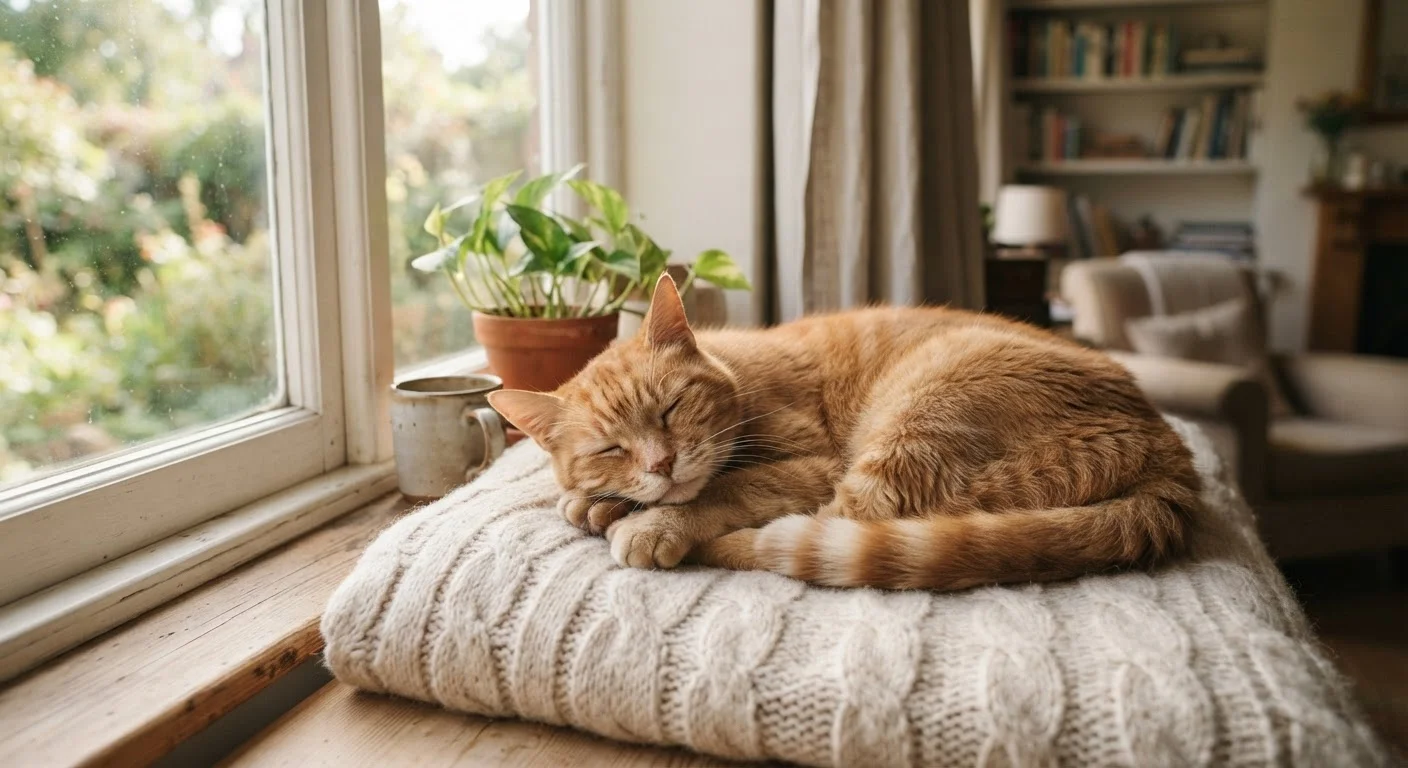
- Warmth: Older cats feel the cold more acutely. Heated cat beds or warm sleeping spots near (not on top of) heat sources are often appreciated.
- Food and water placement: Elevated food bowls reduce neck strain. Multiple water sources throughout the home encourage drinking, supporting kidney health.
Mental Health and Enrichment for Older Cats
A slower pace doesn't mean your senior cat needs less mental engagement — it means the enrichment just needs to be appropriately paced. Gentle play, sensory stimulation, and predictable routines all contribute to cognitive health and emotional wellbeing in older cats.
Short, calm play sessions using wand toys or puzzle feeders keep the mind active without overexerting aging joints. Consistency matters too — senior cats often rely more heavily on routine as they age, and disruptions can cause anxiety or confusion. Our guide on building a daily routine that keeps your cat mentally healthy offers practical ways to structure your cat's day.
Social interaction — even just calm companionship while you're in the same room — is genuinely beneficial. If your cat seems more withdrawn than usual, that's worth noting and mentioning to your vet.
Knowing When to Talk to Your Vet
Cats instinctively conceal discomfort, which means changes that seem minor can signal something significant. Contact your veterinarian if you notice any of the following in your senior cat:
- Unexplained weight loss or gain over a few weeks
- Changes in thirst or urination habits
- Reduced appetite or sudden food aversions
- Difficulty climbing, jumping, or using the litter box
- Increased vocalization, especially at night
- Confusion, disorientation, or altered sleep-wake cycles
- Unkempt coat or reduced self-grooming
None of these are reasons to panic — but all of them are reasons to call. Your vet is your most important partner in your cat's senior years, and early conversations nearly always lead to better outcomes than waiting.
This article is for general informational purposes only and is not a substitute for professional veterinary advice. Always consult a licensed veterinarian regarding your individual cat's health and care needs.