
The Core Idea: Interest on Interest
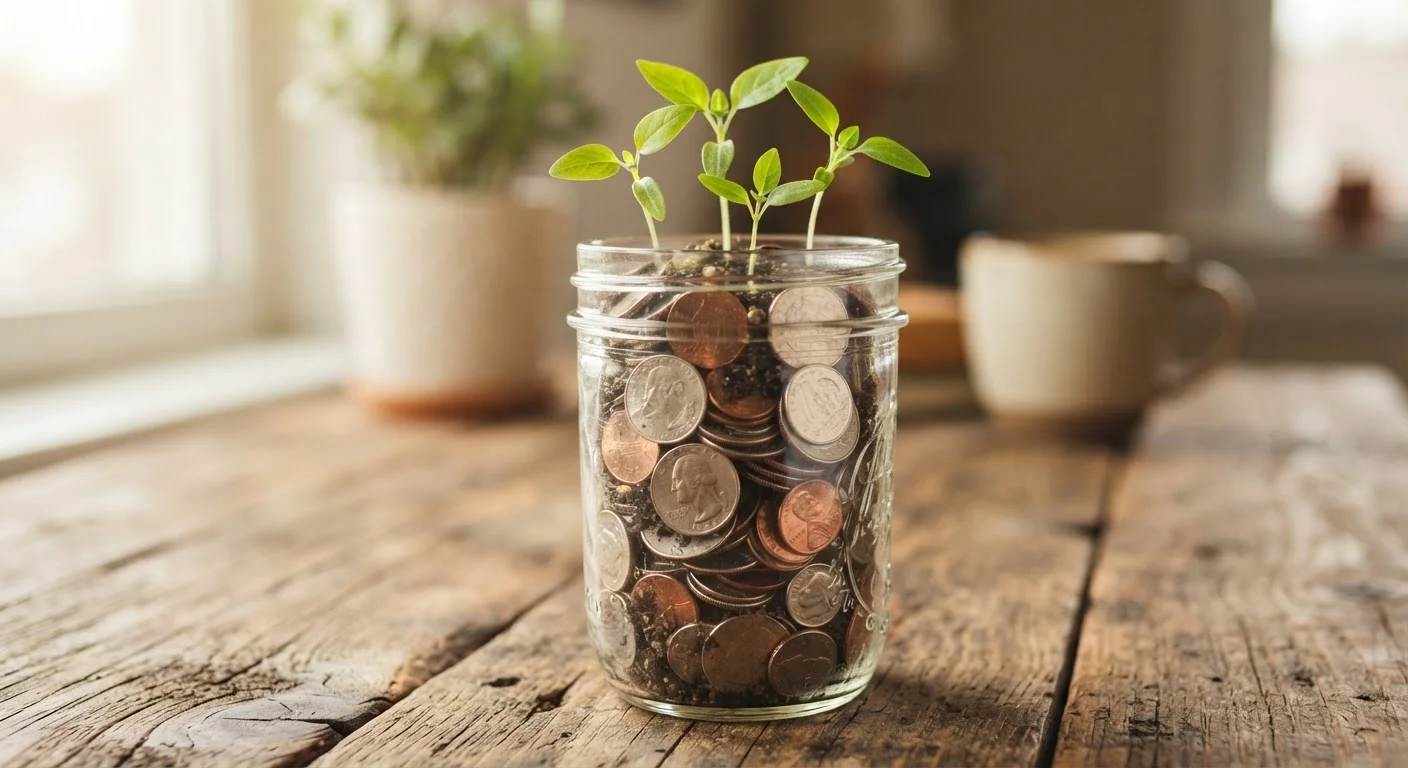
Here's the simplest way to think about compound interest: imagine you have a snowball at the top of a hill. As it rolls, it picks up more snow, and that extra snow also picks up more snow. The longer it rolls, the faster it grows — not because you added anything, but because the growth itself is growing.
That's compounding in a nutshell. You put money somewhere that earns a return. That return gets added to your balance. Next period, the return is calculated on the new, larger balance. Repeat that process over years or decades, and the results can be dramatic.
Compare that to simple interest, which only ever calculates returns on your original amount. Simple interest grows steadily. Compound interest accelerates. That's the fundamental difference — and it's why the concept gets so much attention in personal finance education.
For more foundational terms like this, the personal finance glossary is a useful reference to bookmark.
Why Time Is the Real Variable
Most people assume that the secret to building savings is earning a high return or contributing large amounts. Those things help, but they're secondary to one factor that everyone has equal access to: time.
The earlier compounding begins, the more cycles of growth your money goes through. Each cycle builds on a slightly larger base. Early on, the growth looks modest and might not feel worth celebrating. But give it enough cycles, and the trajectory bends sharply upward.
This is why financial educators consistently emphasize starting as early as possible — even with small amounts. Waiting a few extra years to begin saving can have a much larger impact on your final balance than most people expect. And the reverse is also true: money contributed early does significantly more work than money contributed later, even if the dollar amounts are identical.
Pairing this insight with deliberate saving habits amplifies the effect. The pay-yourself-first approach — setting aside savings before spending — helps ensure your money gets into compounding accounts consistently, rather than sporadically.
~$265,000
Estimated value of $100/month saved for 40 years at 7% annual compounding
Illustrative example based on standard compound interest calculations; actual returns vary and are not guaranteed.
10 years
Approximate time for money to double at a 7% annual return (Rule of 72)
The Rule of 72 is a common financial education shortcut — divide 72 by the annual interest rate to estimate doubling time.
80%
Americans who say they are not saving enough for retirement
According to a Federal Reserve Report on the Economic Well-Being of U.S. Households, a large share of adults express concern about retirement savings adequacy.
When Compounding Works Against You
Compound interest is a powerful ally in savings — but it's an equally powerful adversary on debt. Credit cards are the most common example. When you carry a balance, the unpaid interest gets added to what you owe. The following month, interest is charged on that larger amount. Miss enough payments or only pay the minimum, and the balance can grow faster than you'd think possible.
This is exactly why high-interest debt deserves urgent attention. It's not just the stated rate that matters — it's the compounding. Understanding how interest compounds on debt changes how most people feel about carrying a balance.
If you're managing multiple debts and weighing how to tackle them, the debt avalanche vs. debt snowball comparison breaks down two structured approaches and the psychology behind each. It's also worth understanding how auto loan interest works, since installment loan interest behaves differently than revolving credit card debt.
How to Put Compounding to Work
You don't need to run any calculations to benefit from compound interest. You just need to get started and stay consistent. A few practical principles make a real difference:
- Start now, not later. Even a small amount today has more compounding time than a larger amount contributed years from now.
- Automate contributions. Automation removes the temptation to skip a month. Setting up recurring transfers means compounding continues whether or not you're thinking about it. The step-by-step guide to automating your savings walks through exactly how to set this up.
- Reinvest returns. Compounding only works if the returns stay in the account and earn more returns. Withdrawing interest or dividends breaks the cycle.
- Be patient. The early years of compounding can feel underwhelming. The acceleration comes later. Consistency through the quiet period is what makes the big numbers possible.
This article is for general informational purposes only and does not constitute personalized financial advice. For guidance specific to your situation, consider speaking with a licensed financial professional.