

How the Ratio Is Actually Calculated
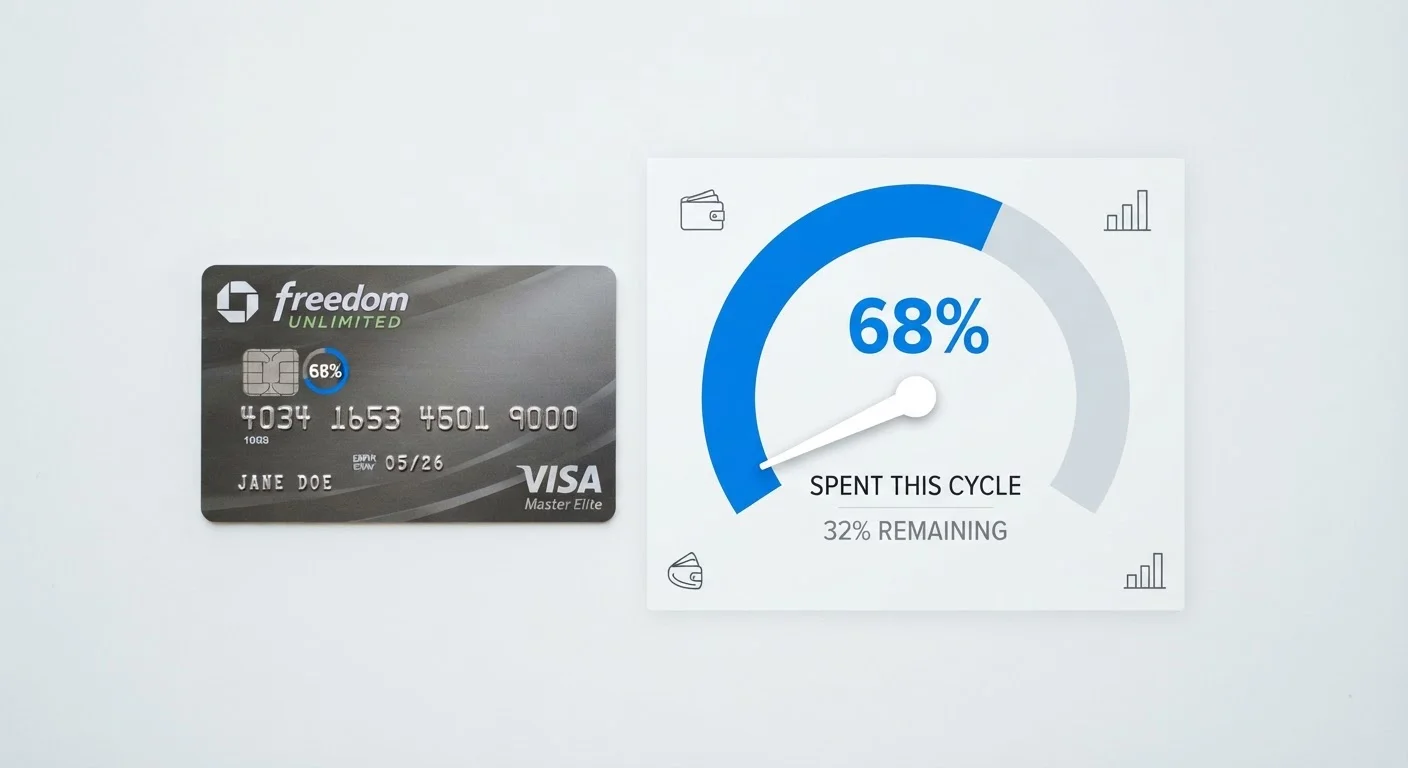
The math behind credit utilization is straightforward. Take the total balances you carry across all revolving accounts, divide by the total credit limits on those accounts, and multiply by 100. That percentage is your aggregate utilization rate.
For example: $2,500 in balances ÷ $10,000 in total limits = 25% utilization.
What many people miss is that scoring models look at this ratio at two levels: the overall picture across all accounts, and each individual card. You can have a low aggregate rate but still face a scoring penalty if one card is nearly maxed out. It pays to watch both numbers.
Utilization applies to revolving credit — cards and lines of credit — but not to installment loans like mortgages or auto loans, which are evaluated differently. For a deeper look at how these two categories interact with your credit profile, see how revolving credit and installment loans are each evaluated.
Why Scoring Models Weight This Factor So Heavily
Credit utilization typically makes up around 30% of a FICO score — the second-largest factor after payment history. The reasoning from a lender's perspective is intuitive: someone who regularly uses most of their available credit may be financially stretched, which raises the risk of missed payments down the road.
~30%
Share of FICO score tied to amounts owed
FICO's published score factor breakdowns list 'amounts owed' — which includes utilization — as approximately 30% of a standard FICO score.
<10%
Utilization typical of top-tier credit scorers
Data published by FICO indicates that consumers scoring above 800 tend to carry very low utilization, often in the single digits.
High utilization doesn't automatically mean someone is in financial trouble, but from a purely statistical standpoint, lenders have found it correlates with repayment risk. Scoring models don't know why your balance is high — whether you're in a slow month or carrying long-term debt — they only see the ratio at the moment it's reported.
This is also why utilization is one of the faster-moving credit factors. Unlike a late payment, which can linger on your report for seven years, a high utilization rate can improve as soon as your issuer reports a lower balance. That makes it one of the more actionable levers available to someone trying to strengthen their score.
The Thresholds Worth Knowing
There's no single universal cutoff, but a few general ranges are worth internalizing:
- Under 10%: Typical of consumers with the highest credit scores. Not required, but broadly favorable.
- 10%–30%: Generally considered a reasonable range. Most scoring guidance uses 30% as the commonly cited upper boundary.
- 30%–50%: May begin to drag on your score depending on the full picture of your credit profile.
- Above 50%: Can signal credit stress to scoring models and is more likely to have a meaningful negative effect.
These aren't hard rules — they're patterns observed across scoring data. Your score is the product of multiple factors working together, not any single number in isolation. That said, crossing the 30% threshold is where many consumers start to notice a measurable impact.
If you want to understand where your current utilization stands within your full credit picture, reading your credit report is a practical starting point.
Common Moves That Affect Your Utilization — Intentionally or Not
A few behaviors shift your utilization ratio in ways that aren't always obvious:
- Paying balances before the statement closes
- Issuers usually report the balance shown on your statement. Paying down a balance before that date means a lower number gets reported — and a lower utilization that month.
- Closing old or unused cards
- This removes available credit from your total, potentially pushing your utilization higher even if your spending stays flat. It's a common unintended consequence worth calculating before acting.
- Requesting a credit limit increase
- If your issuer approves a higher limit and your balance stays the same, your utilization ratio drops automatically. This typically triggers a hard inquiry, though — something worth factoring in. See how hard inquiries work for context.
- Opening a new revolving account
- A new card adds to your total available credit, which can lower aggregate utilization. But it also introduces a new individual account balance to manage.
Building awareness of these mechanics is part of the longer-term discipline that supports a stable credit profile. Consistent habits matter more than one-time fixes.
This article is for general informational purposes only and is not personalized financial or credit advice. For guidance specific to your situation, consider consulting a qualified financial professional.