
Why Paint Peels — The Real Story
A peeling paint job feels like a product failure, but the culprit is almost never the paint itself. Paint is an engineered coating designed to flex, breathe, and adhere — when it doesn't, something in the preparation or application process broke down. Understanding exactly what went wrong is the first step toward a fix that actually holds.
The most common offenders fall into a predictable pattern: inadequate surface prep, hidden moisture, the wrong primer, and poor application conditions. Address any one of these incorrectly and the new paint film is already compromised before it dries. The sections below walk through each mistake, why it happens, and the practical steps to avoid it.
Older Homes May Contain Lead Paint
If your home was built before 1978, peeling paint may contain lead. Disturbing lead paint without proper precautions creates a serious health hazard, particularly for children. Before scraping or sanding any painted surface in an older home, test for lead using an EPA-recognized test kit or hire a certified lead abatement professional. Check your local regulations for disposal requirements.
The Most Common Mistakes — And How to Fix Them
Whether you're repainting a bathroom, refreshing exterior siding, or tackling a bedroom makeover, these errors appear repeatedly on job sites and in DIY projects alike. Recognizing them before you open a paint can is the most effective way to protect your investment.
Skipping or rushing surface preparation before painting.
Why it happens: Surface prep is unglamorous and time-consuming, so homeowners eager to see results often compress or skip it entirely.
Painting over damp or moisture-laden surfaces.
Why it happens: Moisture is often invisible. A wall may look dry after a leak or rain but still hold enough moisture in the substrate to push paint off from beneath.
Omitting primer or using the wrong type for the surface.
Why it happens: Many homeowners assume that paint-and-primer-in-one products are a universal substitute for a dedicated primer coat on all surfaces.
Applying paint in unsuitable temperature or humidity conditions.
Why it happens: Weekend schedules and project deadlines push people to paint in cold garages in winter or on sweltering humid afternoons in summer.
Applying coats that are too thick.
Why it happens: Thicker coats feel more efficient — fewer trips up the ladder. But heavy application traps solvents that need to escape as the paint cures.
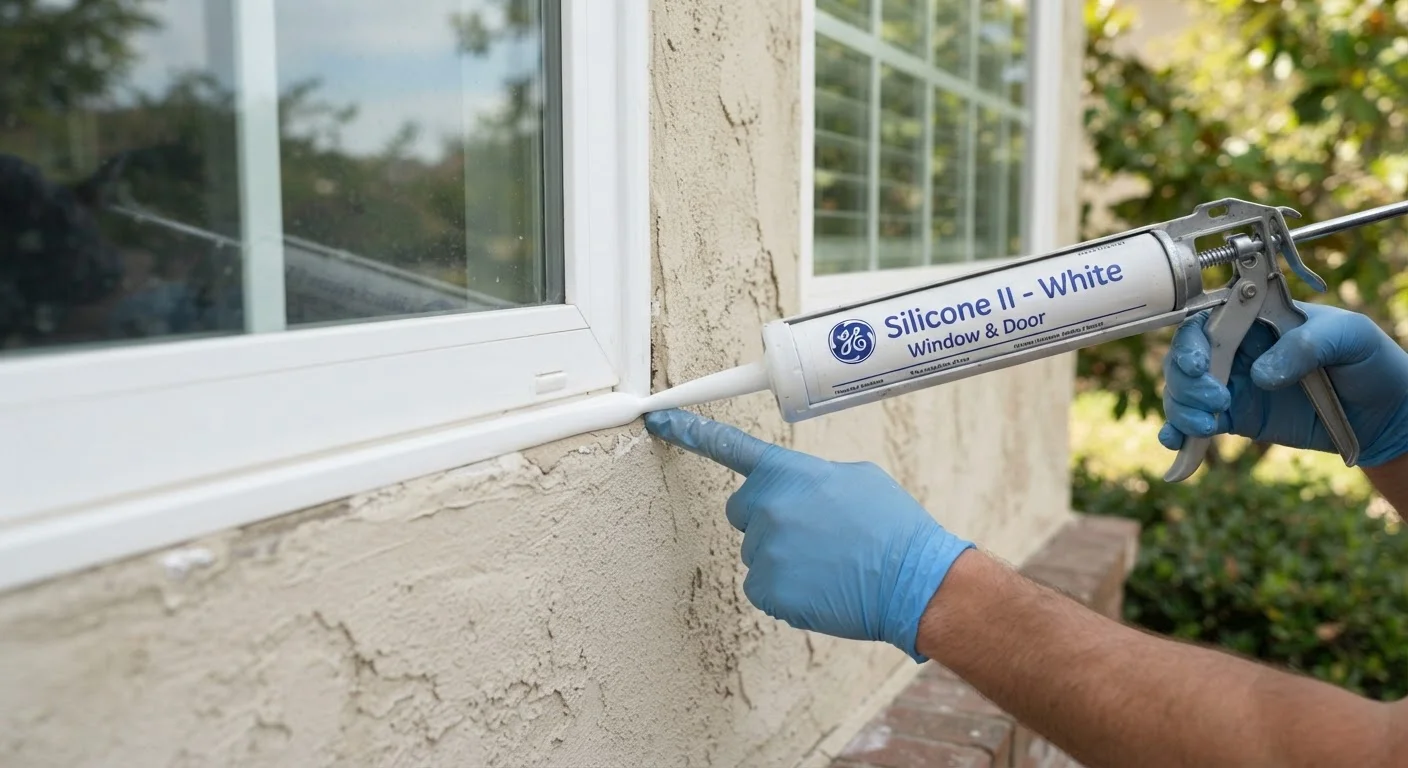
One final point worth emphasizing: if moisture is entering a wall from outside — through a failed caulk joint, a leaky window, or inadequate flashing — no amount of surface prep will produce a lasting paint job until the water entry point is sealed. Paint treats surfaces, not structural problems.
Don't Paint Over Existing Peeling Layers
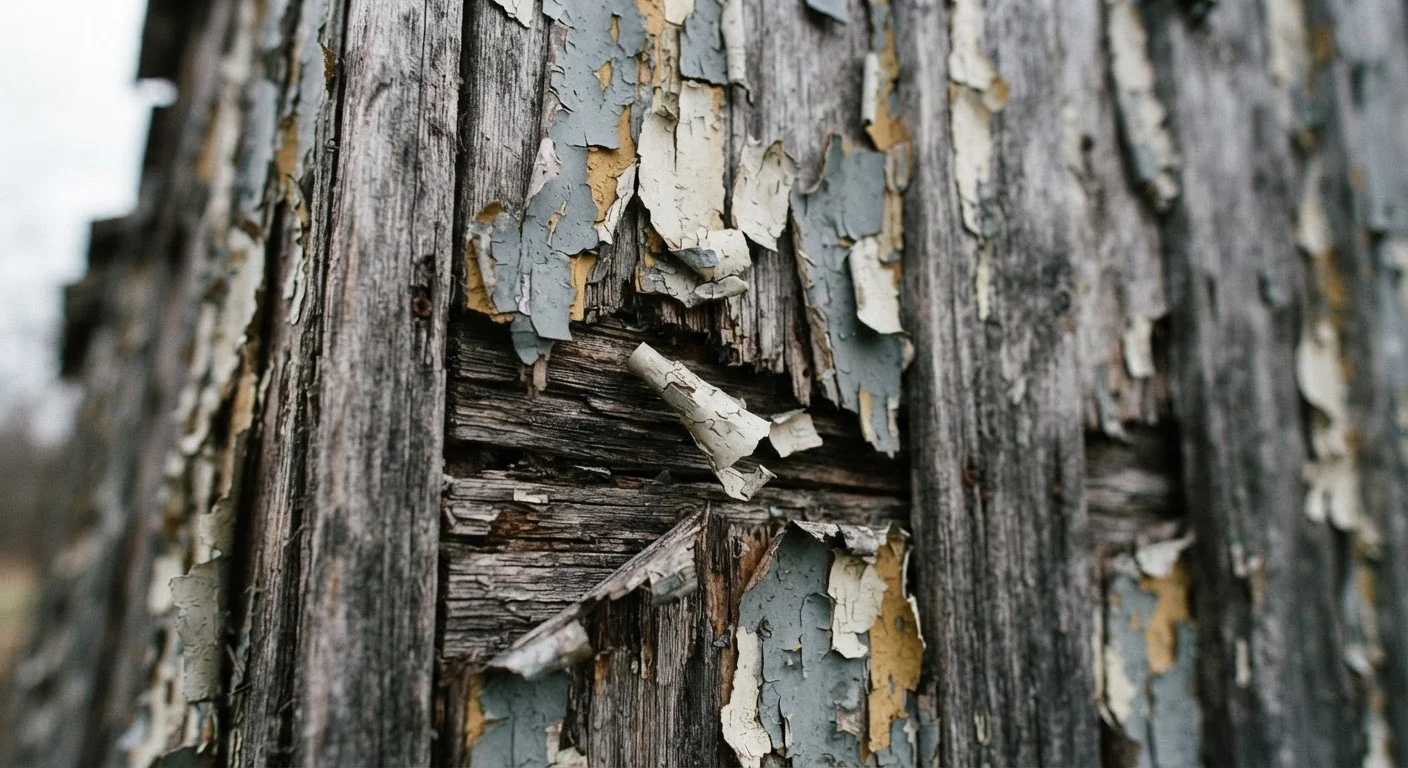
Applying fresh paint directly over actively peeling or flaking paint guarantees another early failure. The new coat has nothing stable to bond to and will pull away along with the old layers. Always scrape back to a firm, clean substrate — even if that means more prep work than anticipated. Skipping this step wastes both time and money.