

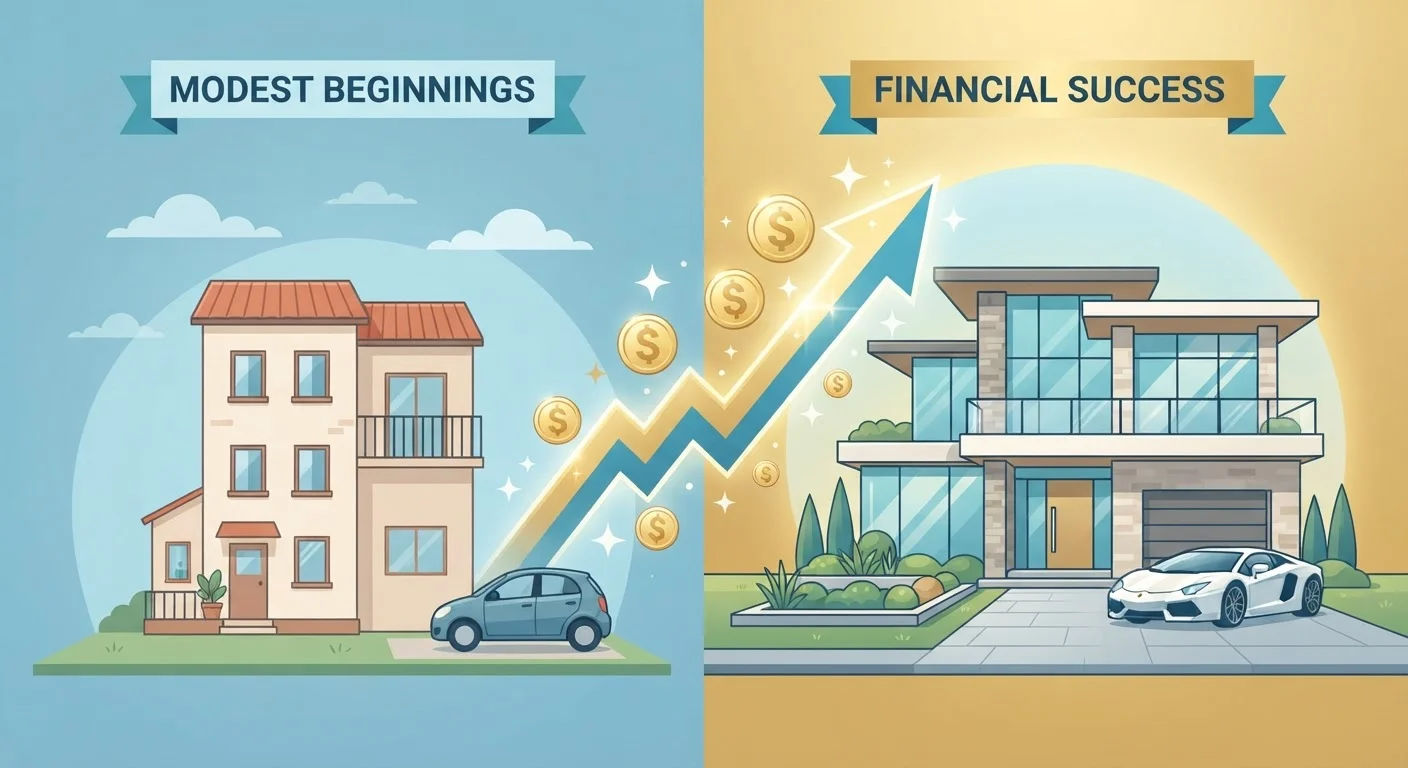
How Lifestyle Creep Works in Practice
Imagine you land a $10,000 annual raise — about $830 more per month before taxes. You move to a slightly better apartment ($200 more), add a car payment on an upgraded vehicle ($250 more), sign up for a few streaming services you didn't have before ($40), start ordering food delivery two nights a week ($120), and begin buying lunch at work most days ($150). That's roughly $760 in new monthly expenses — from a single raise. Your take-home went up, but so did your cost of living, almost dollar for dollar.
This is the core mechanic of lifestyle creep: upgrades arrive one at a time, each defensible on its own, but collectively they absorb income before it can do anything lasting. The danger isn't any single choice — it's the pattern.
Why It's So Hard to Spot
Lifestyle creep is easy to miss because it rarely announces itself. There's no single moment where you decide to spend more — instead, a series of small, sensible-sounding decisions accumulates over months or years. The apartment upgrade made sense when you got the raise. The car upgrade felt reasonable when the old one needed repairs. The subscription services each cost less than a coffee a day.
Social context reinforces the pattern. As income rises, peer groups often shift, and spending norms shift with them. Dinner out with colleagues becomes a regular weeknight event. Vacations move from road trips to flights. None of this is inherently wrong, but if it's happening on autopilot, it's worth examining. The patterns that stall financial progress often start here, long before people realize anything has shifted.
~32%
Americans with no emergency savings
A 2023 Bankrate survey found roughly one in three Americans had no emergency savings, even as median household incomes have risen over the prior decade.
$219/mo
Average underestimate of subscription spending
A 2022 study by C+R Research found consumers underestimated their monthly subscription spending by an average of $219 per month, illustrating how easily recurring costs go untracked.
4.6%
U.S. personal savings rate (2023 average)
The U.S. Bureau of Economic Analysis reported the personal savings rate averaged around 4–5% through much of 2023, well below the 8–10% range many financial planners consider a solid target.
The Real Cost Over Time
The compounding effect is where lifestyle creep becomes genuinely expensive. Every dollar spent on a recurring lifestyle upgrade is a dollar that won't be saved, invested, or used to pay down debt. Over a decade, the gap between someone who saves incrementally with each raise and someone who spends it widens considerably.
Consider that the long-run average annual return on a diversified stock portfolio has historically been in the range of 7–10% before inflation — though past performance doesn't guarantee future results, and all investing involves risk. Even modest additional savings directed consistently over many years can grow meaningfully. The opportunity cost of lifestyle creep isn't just the money spent — it's the future value of what that money could have become.
This is why budgeting basics matter even for people with rising incomes. A higher paycheck doesn't automatically translate to better financial health if spending keeps pace with it.
Practical Ways to Keep It in Check
The goal isn't to never enjoy a higher income — it's to be deliberate about how you do. A few approaches that tend to work:
- Automate savings first. Set up automatic transfers to savings or retirement accounts timed to your paycheck. Any raise should trigger a corresponding increase in that transfer before lifestyle adjustments begin.
- Run a periodic subscription audit. List every recurring charge — streaming, apps, memberships — and decide which ones you'd actively choose today if you weren't already paying for them. You may find some have outlived their usefulness. Irregular and recurring expenses often reveal themselves in this kind of review.
- Set a lifestyle upgrade rule. When you want to add a recurring expense, identify an existing one to cut or decide it comes from an already-funded discretionary category.
- Track your savings rate, not just your spending. Focusing on what percentage of income you save keeps the big picture visible, even as individual expenses shift.
If you want to trim existing costs without sacrificing what actually matters to you, practical approaches to reducing monthly spending can help you identify where to start.
This article is for general informational purposes only and does not constitute personalized financial advice. For guidance specific to your situation, consider consulting a qualified financial professional.