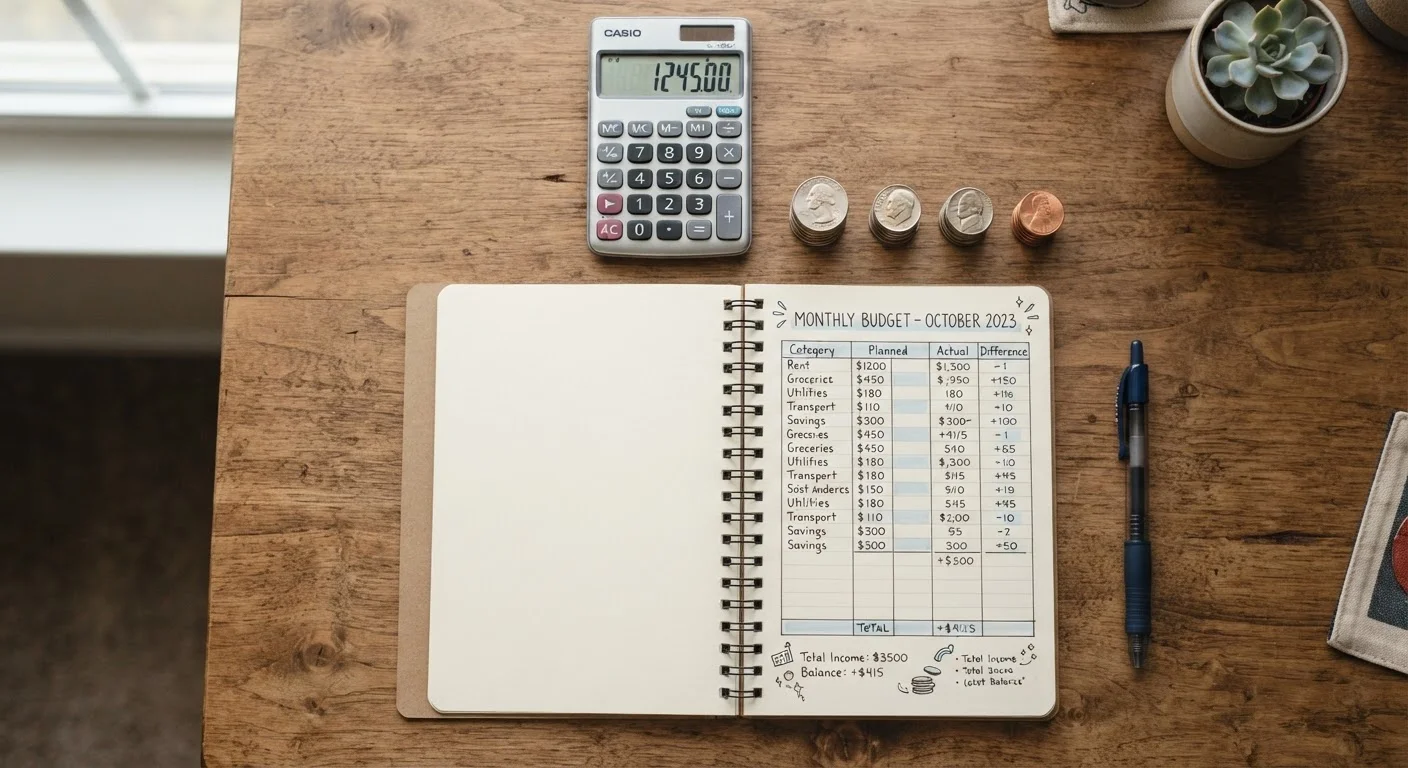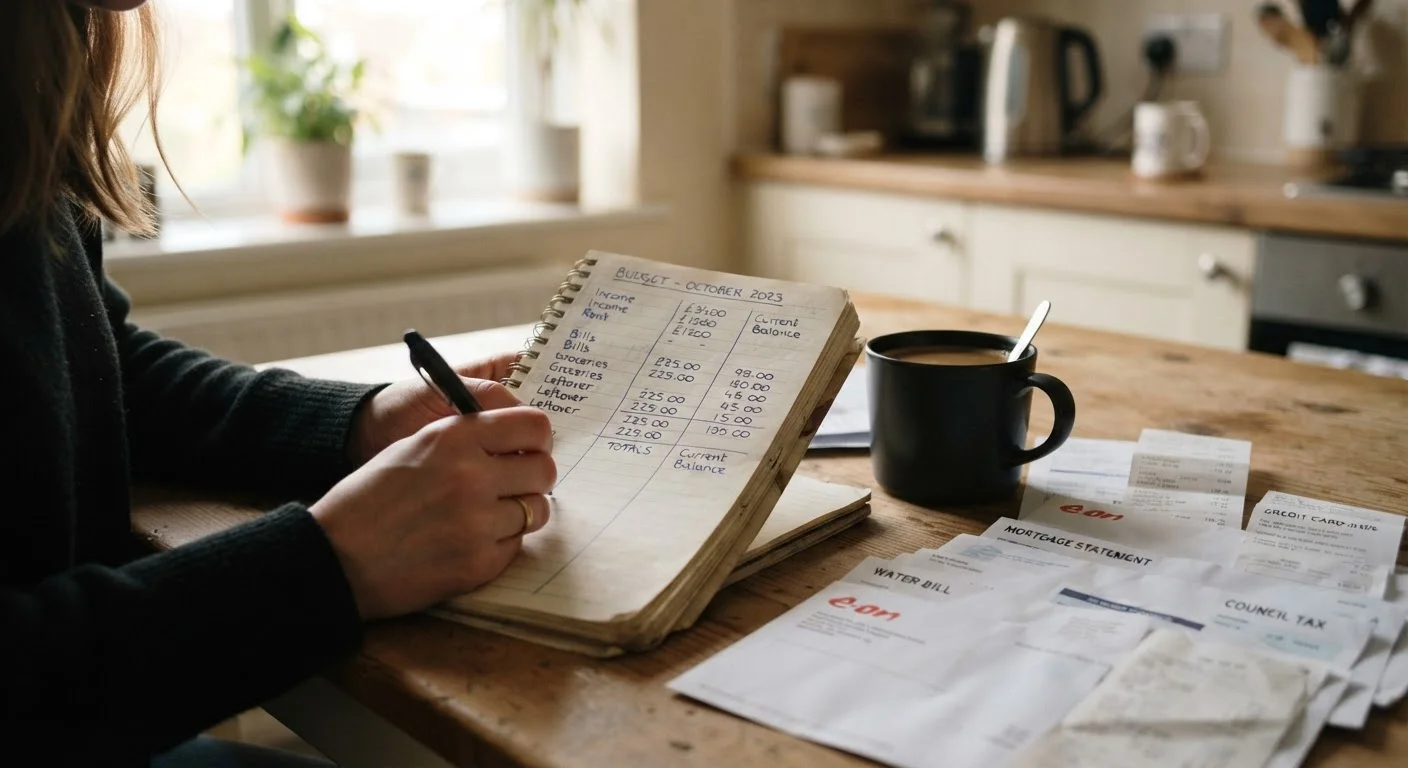

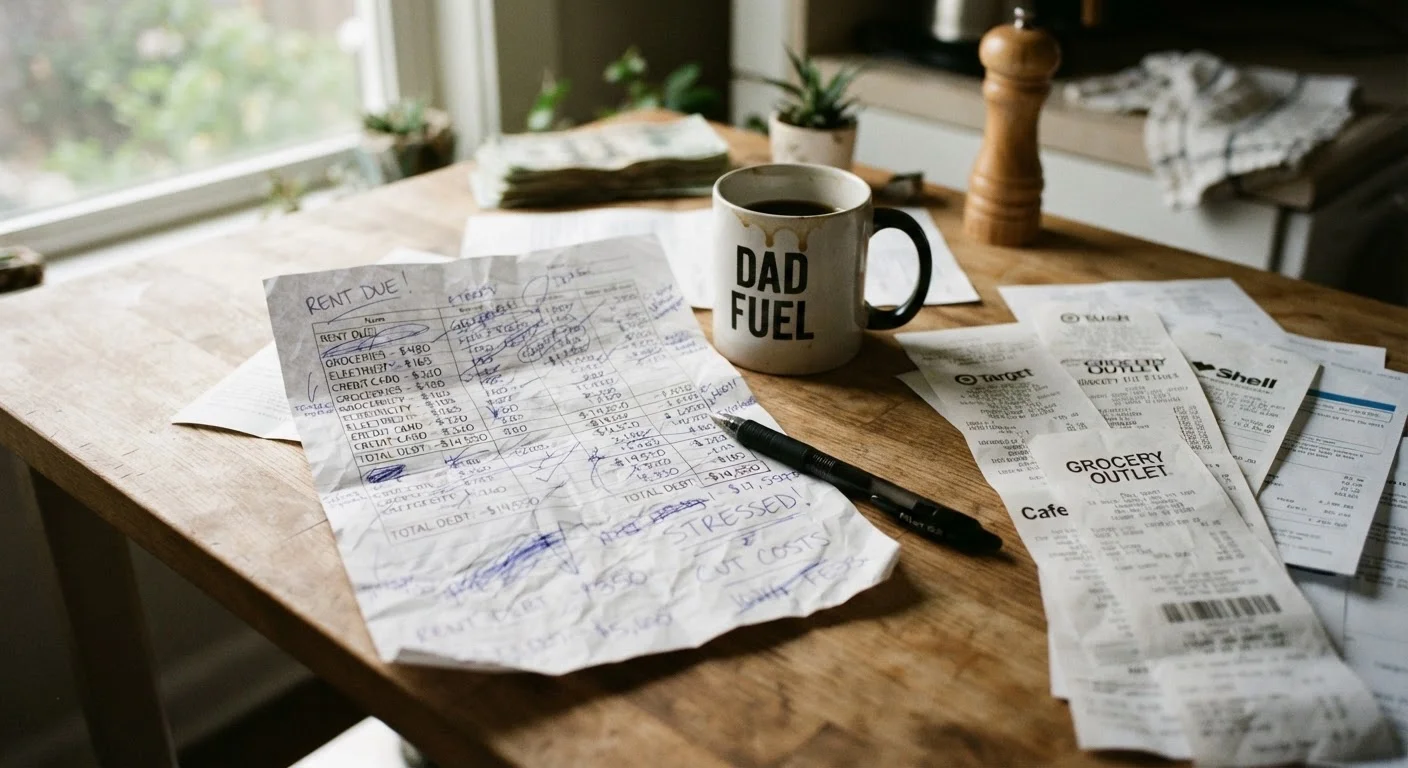
The Real Reason Budgets Fall Apart
If your budget has ever collapsed before the month was half over, you're not alone — and the problem probably wasn't discipline. Research from consumer finance organizations consistently shows that most people who abandon budgets do so because the budget itself was set up in a way that made failure almost inevitable.
The math in a budget is rarely the issue. It's the assumptions, the gaps, and the missing design elements that cause the wheels to come off around week two. If you're starting from scratch with a household budget, understanding these failure points before you begin can save months of frustration.
The good news: these are all fixable problems. Here are the most common mistakes that cause budgets to break down — and what to do instead.
The Most Common Budget-Breaking Mistakes
Building the budget around ideal spending rather than actual spending history.
Why it happens: Most people estimate from memory or aspiration, not from real transaction data — which means they consistently undercount what they actually spend.
Leaving no room for irregular or unpredictable expenses.
Why it happens: Annual fees, car maintenance, medical copays, and seasonal costs don't show up every month, so they're easy to forget during planning — but they hit hard when they arrive.
Not allocating any money for personal discretionary spending.
Why it happens: When people are motivated to cut spending, they strip out anything that feels "optional" — dining out, entertainment, hobbies — leaving no breathing room.
Treating the budget as a one-time setup rather than a living document.
Why it happens: Creating a budget feels like completing a task. Once it's done, many people don't look at it again until something goes wrong.
Using a single checking account for all spending categories.
Why it happens: It feels simpler to keep everything in one place, but without physical or visual separation, it's nearly impossible to tell at a glance how much is left in any category.
Each of these mistakes tends to compound the others. A budget built on optimistic estimates, with no irregular expense buffer and no personal spending money, is essentially designed to fail within two weeks. Fixing even two or three of these issues significantly changes the odds.
Building a Budget That Can Actually Hold
This Is General Financial Education
The information in this article is intended for general educational purposes and does not constitute personalized financial advice. Every household's situation is different. For guidance specific to your circumstances, consider speaking with a licensed financial counselor or certified financial planner.
A budget that lasts isn't one that's perfectly restrictive — it's one that reflects how you actually live while still directing money toward your priorities. That often means accepting that your first draft will need revisions. Build in the expectation of adjustment from the start.
One useful framing: think of your budget not as a set of rules to follow perfectly, but as a feedback tool. When you overspend in a category, that's information — about your habits, your estimates, or an unexpected cost — not a moral failure. The habits that make budgets stick long-term come from treating budgeting as an ongoing practice rather than a one-time decision.
It's also worth examining whether any common budgeting myths are shaping how you approach the process. Believing a budget has to be perfect to be useful is one of the most reliable ways to give up on it too soon.
This article is for general informational and educational purposes only and does not constitute personalized financial advice. Consult a licensed financial professional for guidance tailored to your individual situation.