
Why the Three-Season Framework Matters
Most travelers think in binaries: busy or not busy, expensive or cheap. But destination demand actually flows across three broad phases — peak, shoulder, and off-peak — and understanding all three gives you more control over what your trip looks and feels like.
Peak season is defined by highest demand: summer for most of Europe and North America, winter holidays for tropical destinations, cherry blossom season in Japan. Off-peak is the inverse — the stretch when visitor numbers bottom out, often due to unfavorable weather or a lack of major events. Shoulder season is the territory in between.
What makes shoulder season worth understanding is that it often represents a practical middle ground: fewer crowds than peak, better conditions than off-peak, and pricing that can reflect the lower demand without the full compromises of traveling in a destination's slowest stretch. For a fuller look at how this compares directly to off-peak travel, see The Upsides and Downsides of Traveling Off-Peak.
Shoulder Season Is Not One Thing — It's Destination-Specific
The most important thing to grasp about shoulder season is that it has no universal dates. It is entirely relative to each destination's tourism rhythm.
Consider a few examples:
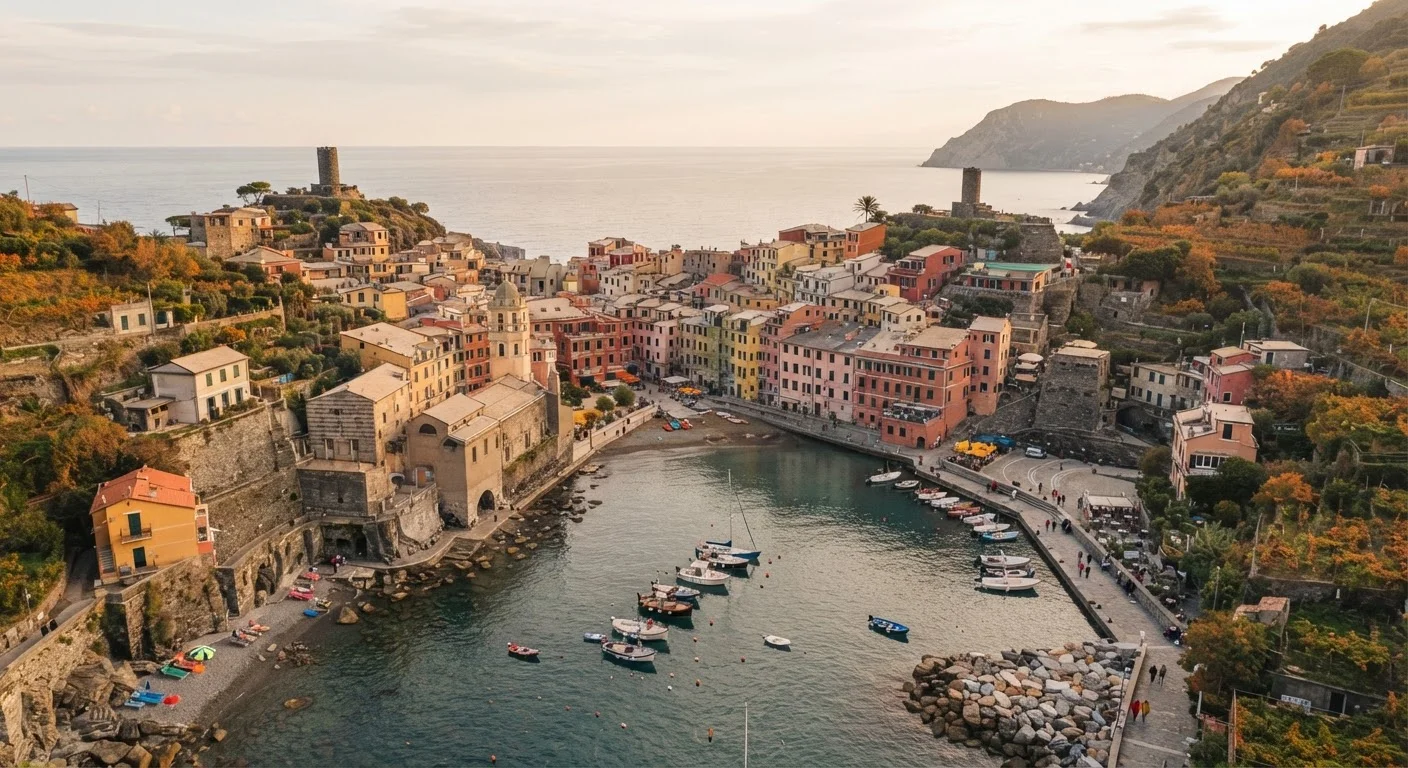
- Mediterranean Europe (Italy, Greece, Spain): Shoulder season typically runs April–May and September–October, bookending the summer peak. Weather is still pleasant, but July and August crowds have thinned.
- Caribbean islands: Peak season is roughly mid-December through April, driven by North Americans escaping winter. Shoulder season falls in late spring and again in early December, before the holiday rush.
- Southeast Asia: Countries like Thailand and Vietnam have shoulder windows tied closely to monsoon patterns — not purely calendar-based, but weather-driven.
- National parks in the U.S.: Shoulder periods vary by park. Yellowstone's shoulder season differs from the Grand Canyon's because each park has distinct visitor flow patterns and weather cycles.
This variability means travelers need to research each destination individually rather than assuming one rule applies everywhere. Tourism board websites and climate databases are reliable starting points for this research.
3 Phases
Standard tourism demand cycle for most destinations
Most destinations cycle through peak, shoulder, and off-peak phases annually — though the timing of each phase varies significantly by location.
Varies Widely
Price difference between peak and shoulder season
Airfare and hotel pricing during shoulder season can differ meaningfully from peak rates, but savings depend on the specific destination, booking window, and dates — general travel research consistently confirms the pattern without a single universal figure.
2–4 weeks
Typical width of a shoulder season window
Shoulder seasons are often relatively narrow — a few weeks on either side of the peak — making precise timing more important than approximate planning.
How Shoulder Season Affects Cost and Experience
The practical effects of traveling during shoulder season tend to fall into two categories: financial and experiential.
Pricing
Airlines and hotels use dynamic pricing models that respond to demand. When fewer travelers are booking a given destination in a given window, prices tend to drop to attract buyers. During shoulder season, this often translates to lower airfare and hotel rates compared to peak periods — though the size of that difference varies widely by destination, booking timing, and specific dates. There are no guarantees, and prices should always be verified before making decisions.
Crowd Levels and Access
Popular museums, hiking trails, beaches, and historic sites that require reservations weeks in advance during peak season are often more accessible in shoulder periods. Wait times shrink, restaurants are easier to get into, and the general pace of a destination feels less pressured. This has real quality-of-life implications for how you experience a place — especially if you're building a detailed itinerary. See The Anatomy of a Well-Built Travel Itinerary for how to structure trips around access and pacing.
Trade-Offs
Not everything improves in shoulder season. Some seasonal businesses — beachside restaurants, boat tour operators, ski lodges — reduce hours or close entirely. Weather becomes less predictable. Certain attractions may have curtailed operating schedules. Travelers should verify specific hours and availability directly with venues before booking.
Who Benefits Most from Shoulder Season Planning
Shoulder season travel tends to reward travelers with some schedule flexibility. If you're not locked into specific school holiday windows, you're in a stronger position to take advantage of shoulder periods. For families navigating fixed school calendars, the trade-offs can be more complex — Planning a Trip Around School Calendars and Work Schedules offers practical strategies for that constraint.
Travelers who prioritize experience over convenience — who want to see the Amalfi Coast without elbow-to-elbow crowds, or visit a national park without fighting for parking — often find shoulder season aligns well with their goals. Similarly, those interested in a slower, more immersive approach to a destination may find shoulder season naturally supports that pace. The Case for a Slow Travel Approach explores when that mindset makes sense.
Whatever your travel style, shoulder season is a lens — one worth applying to any destination you're seriously considering. Checking where your target dates fall relative to a destination's seasonal rhythm costs nothing and can meaningfully shape how you plan. For broader travel savings strategies, including flight and accommodation tactics, explore our dedicated savings section.
Research Before You Assume
Don't rely on general rules to identify a destination's shoulder season — verify it. Check local climate data, national holiday calendars, and major event schedules for your specific destination and travel dates. A window that is "shoulder" for most travelers may coincide with a local festival that drives prices back up. A few hours of research before booking can prevent a misaligned trip.